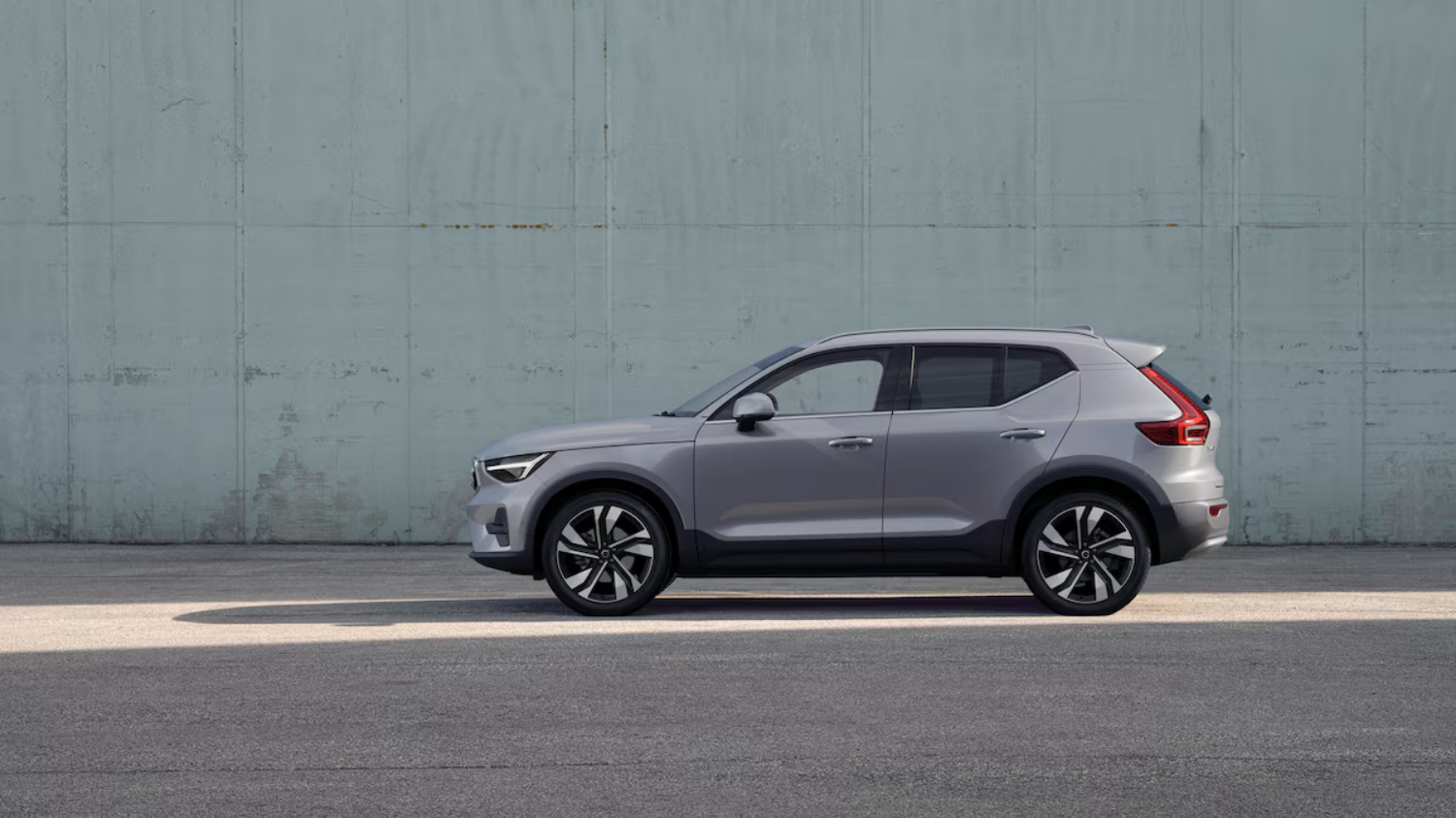
Volvo XC40 vs Volvo V60: which is right for long-distance driving?
Choosing between the Volvo XC40 vs Volvo V60 for regular motorway miles comes down to how you use the boot, how tall you like to sit, and how much badge appeal you want for the money. Both wear Volvo's crisp Scandinavian design language and share a lot of the same engineering underneath, but these two Volvos solve the long-distance driving brief in noticeably different ways.
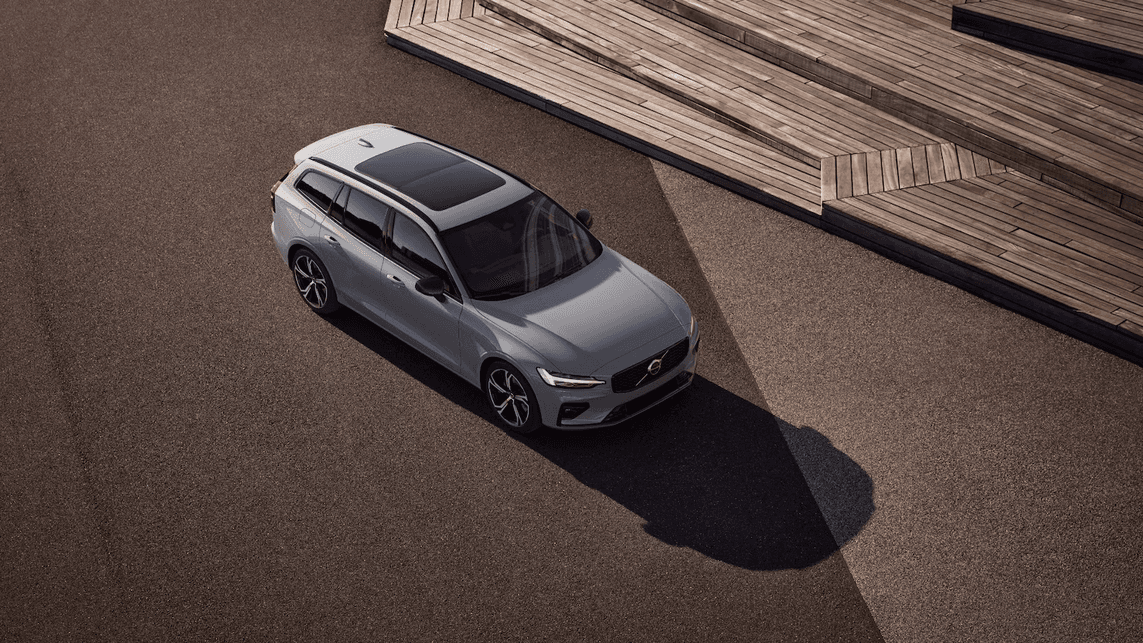
The XC40 is Volvo's compact SUV, built on a taller bodyshell with a commanding driving position and chunky styling. The V60 is a practical estate that trades that raised stance for a lower centre of gravity, a longer wheelbase, and the kind of hushed refinement that suits motorway commuting in an estate car. Neither car is a bad choice for covering serious mileage, but the right one for you depends on what you're carrying and how you like to sit behind the wheel.
Volvo XC40 review: the compact SUV take on long-distance driving
The XC40 sits you up high, with a driving position that feels more command-post than car. On a three-hour motorway run that upright posture pays off: better sightlines over traffic, an easier time judging junctions, and less neck strain than you get folded into a low-slung saloon.
Most XC40s on the used market run the B3 or B4 mild-hybrid petrol engines, both mated to Volvo's eight-speed automatic. The B4 is the pick for motorway work: its 48V mild-hybrid system smooths out the stop-start crawl before you reach open road, and the extra mid-range shove makes overtaking far less stressful than in the B3. For an independent verdict on both engines, see RAC's Volvo XC40 review, which covers trim-by-trim economy figures.
Ride quality is where the compact SUV shape shows its limits. The firmer suspension and taller body mean more surface noise finds its way into the cabin than in the V60, particularly over coarse motorway surfaces. It's not uncomfortable, but after four or five hours at motorway speed you'll notice the difference.

Volvo V60 review: the estate built for the motorway
The V60 is the quieter, more settled car of this pair, and it shows the moment you join a dual carriageway. Lower centre of gravity, a longer wheelbase, and estate-specific aerodynamics all add up to noticeably less wind and road noise at 70mph than the XC40 manages. If your idea of long-distance comfort is a hushed cabin where you can actually hear the radio without cranking the volume, the V60 has the edge.
Engine choices mirror the XC40's B3 and B4 mild-hybrid petrols, but the V60 was also offered with D3 and D4 diesel units on earlier examples. If you're covering serious annual mileage, a well-maintained diesel V60 is worth a look, and it's worth comparing it against other best diesel estate cars for high mileage driving before you commit. For an independent verdict, see RAC's Volvo V60 review.
Boot space is the other reason the V60 suits long trips loaded with luggage. At 529 litres with the seats up, it beats the XC40's 460 litres, and the load area's flatter, wider shape makes it easier to pack suitcases rather than odd-shaped bulky items.
Comparison
Volvo XC40 vs Volvo V60: key specs compared| Spec | Volvo XC40 | Volvo V60 |
|---|---|---|
| Body style | Compact SUV | Estate |
| Ride quality | Firmer, more surface noise | Composed, quieter at speed |
| Best suited to | Families, bulky loads, higher seating | Motorway commuters, suitcase-heavy trips |
| Driving position | High, commanding | Low, sportier |
| Cabin noise at 70mph | Noticeably higher | Lower, more refined |
| Boot space (seats up) | 460 litres | 529 litres |
| Used price range (2019-2023) | £18,000-£33,000 | £20,000-£35,000 |
| Typical motorway economy (B4 petrol) | 40-45mpg | 45-48mpg |
| Pros | ||
| Cons |
Volvo XC40 vs Volvo V60 running costs: insurance and reliability over long distances
High motorway mileage puts different pressures on a car than town driving, and it's where Volvo's reputation for solid engineering earns its keep. Both the XC40 and V60 share the same modular platform underpinnings and largely the same drivetrain options, so reliability patterns tend to track closely between the two once you account for age and mileage.
Insurance groups sit in a similar band for equivalent trims and engines, though the exact figure depends on the specification you choose, so it's always worth getting a quote for the individual car rather than assuming. Servicing costs are broadly comparable too, since both cars share the same B3 and B4 powertrains and Volvo's fixed service schedule.
Where the two cars diverge slightly is depreciation. The XC40's SUV body style has held values a touch better in recent years, reflecting strong demand for compact SUVs generally, while the V60 tends to sit a little cheaper to buy used for equivalent age and mileage. That makes the estate the better bet if you want more car for your money on a long-distance driving car budget.
Verdict: Volvo XC40 vs Volvo V60 for long-distance driving
If your long-distance driving car needs to swallow bikes, prams, or a boot full of odd-shaped cargo, the XC40 makes more sense. Its raised seating position also suits drivers who want better visibility on unfamiliar motorways and A-roads, and the compact SUV shape is easier to place in tight service station car parks.
But if the priority is genuine motorway comfort over hundreds of miles, the V60 is the better car. It's quieter, marginally more efficient, and usually a little cheaper to buy for the same age and mileage. For a broader look at what makes a great motorway companion, our guide to the best estate cars for long motorway journeys is a good next stop.
Either way, test drive both before you decide. Insurance quotes, finance terms, and your own comfort behind the wheel matter just as much as the numbers on a spec sheet.