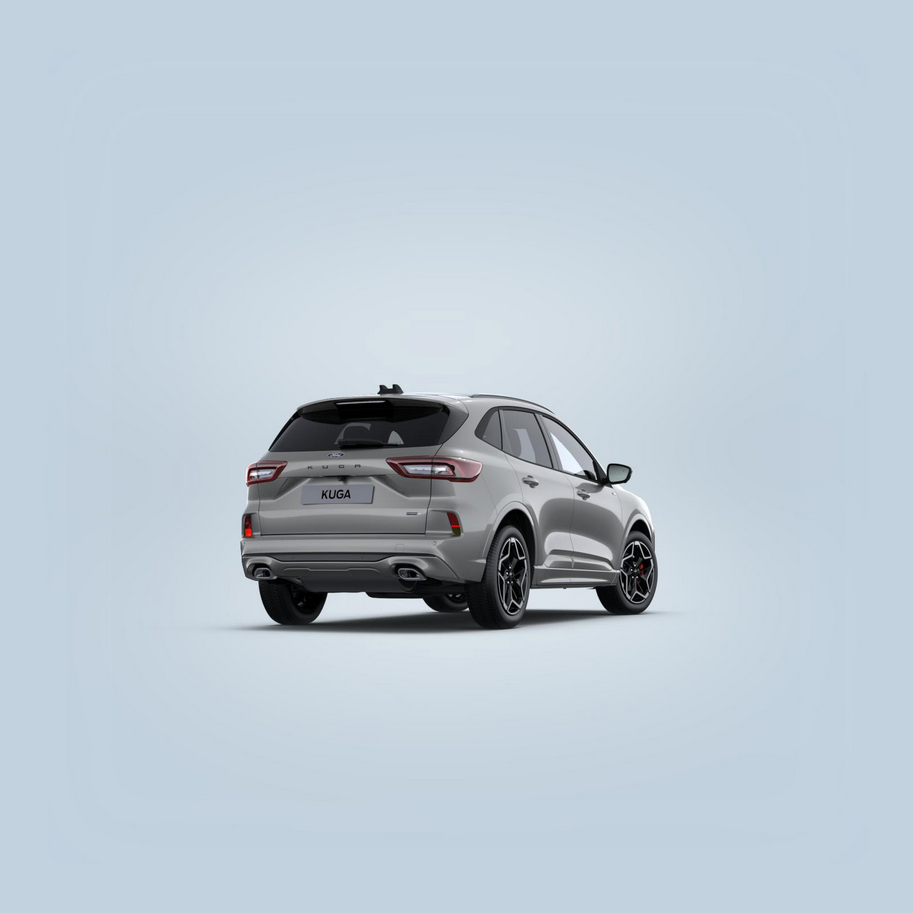
Ford Kuga vs Skoda Karoq: Compact Family SUV Showdown
Comparing Ford's hybrid Kuga against Skoda's practicality-focused Karoq for family use.
Ford Kuga vs Skoda Karoq is a comparison that comes down to a genuine philosophical difference between two manufacturers. Ford has pushed the Kuga toward hybrid and plug-in hybrid efficiency, chasing lower running costs for family buyers. Skoda has stuck with its established formula: unglamorous, sensible engineering wrapped around genuinely clever practicality features. Both approaches work, and which suits you depends on what you actually value day to day.

Ford Kuga (Mk3, 2019-present)
The current Kuga offers full hybrid and plug-in hybrid variants alongside conventional petrol, giving buyers genuine choice depending on how they'll charge and drive. The plug-in hybrid variant is particularly compelling for buyers who can charge at home regularly and do mostly shorter journeys, offering meaningful electric-only range for the daily school run before the petrol engine needs to contribute at all.
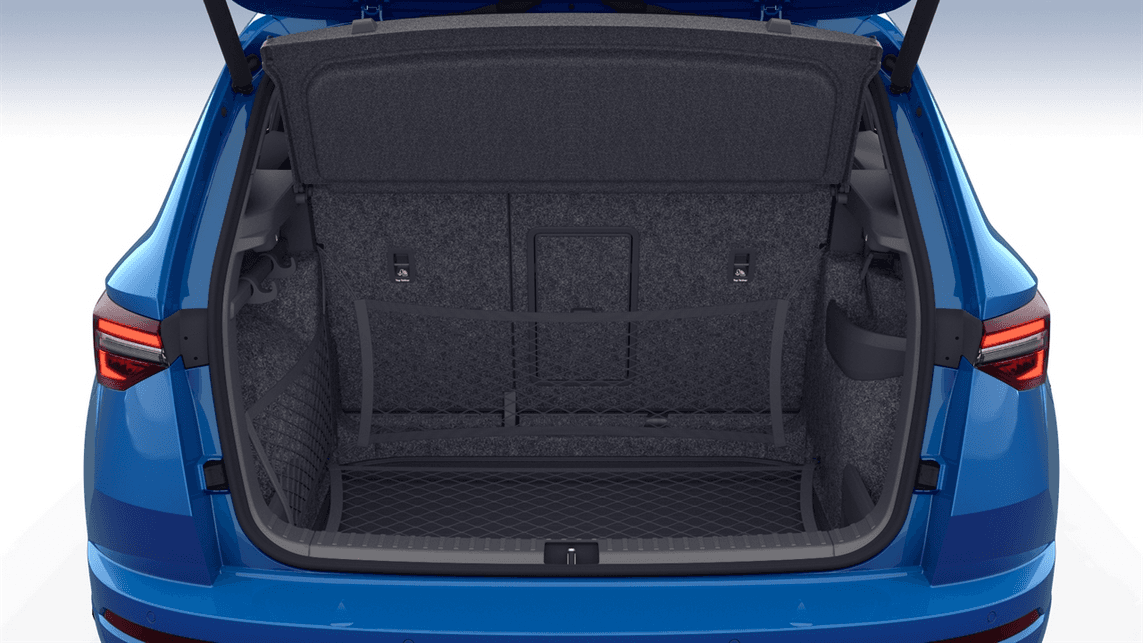
Skoda Karoq (2017-present, facelifted 2021)
The Karoq's standout feature is its VarioFlex rear seating system, available on certain trims, which allows the three individual rear seats to slide, fold, or be removed entirely, a genuinely versatile setup rarely matched at this price point. It doesn't offer the electrified powertrain range of the Kuga, but its interior packaging and boot space remain some of the most practical in the class.
Comparison
| Spec | Ford Kuga | Skoda Karoq |
|---|---|---|
| Price | £21,000 | £19,500 |
| boot capacity | Around 412-475 litres depending on variant | Around 521 litres, among the most generous in the class |
| powertrain choice | Full hybrid and plug-in hybrid variants available alongside petrol | Conventional petrol and diesel; no plug-in hybrid option |
| electric range phev | Meaningful electric-only range on PHEV for daily short trips | - |
| seating flexibility | - | VarioFlex individual rear seats can slide, fold or be removed entirely on certain trims |
| Pros |
|
|
| Cons |
|
|
Why the Kuga wins on running costs
If lowering your fuel bill is the priority, the Kuga's electrified powertrain range gives it a genuine edge, particularly the plug-in hybrid variant for buyers who can charge at home. For daily short trips, a well-managed PHEV Kuga can cover much of its typical weekly mileage on electric power alone, only calling on the petrol engine for longer journeys. That's a meaningful running-cost advantage the Karoq simply can't match without an electrified option of its own.
For readers weighing hybrid options more broadly across this class, our Toyota RAV4 vs Honda CR-V hybrid SUV showdown is a useful companion comparison.
Why the Karoq wins on everyday practicality
The VarioFlex seating system is the Karoq's genuine trump card. Being able to remove individual rear seats entirely, rather than simply folding them flat, opens up load-carrying possibilities that most rivals in this class can't offer, useful for anything from flat-pack furniture to bulky sports equipment. Combined with a boot that's already larger than the Kuga's before you've even touched the seating configuration, the Karoq is arguably the more genuinely practical family load-lugger of the two.
If you're specifically comparing the Karoq against a genuine seven-seat alternative, our Best 7-Seat SUVs guide is worth reading, since neither the Kuga nor Karoq offer a third row.
Think about your charging situation before choosing the PHEV Kuga
A plug-in hybrid only delivers its running-cost advantage if you can charge it regularly, ideally at home overnight. Without regular charging, you'll be carrying extra weight and cost without the fuel-saving benefit.
The verdict
Choose the Kuga if lowering your running costs through hybrid or plug-in hybrid technology is the priority, and you have a reliable way to charge regularly if you go for the PHEV. Choose the Karoq if maximum practicality and load-carrying flexibility matter more than electrified running costs, particularly if you regularly need to carry awkward or bulky items.
For the wider family SUV picture, our Top Family SUVs guide covers how both of these compare against the broader field.