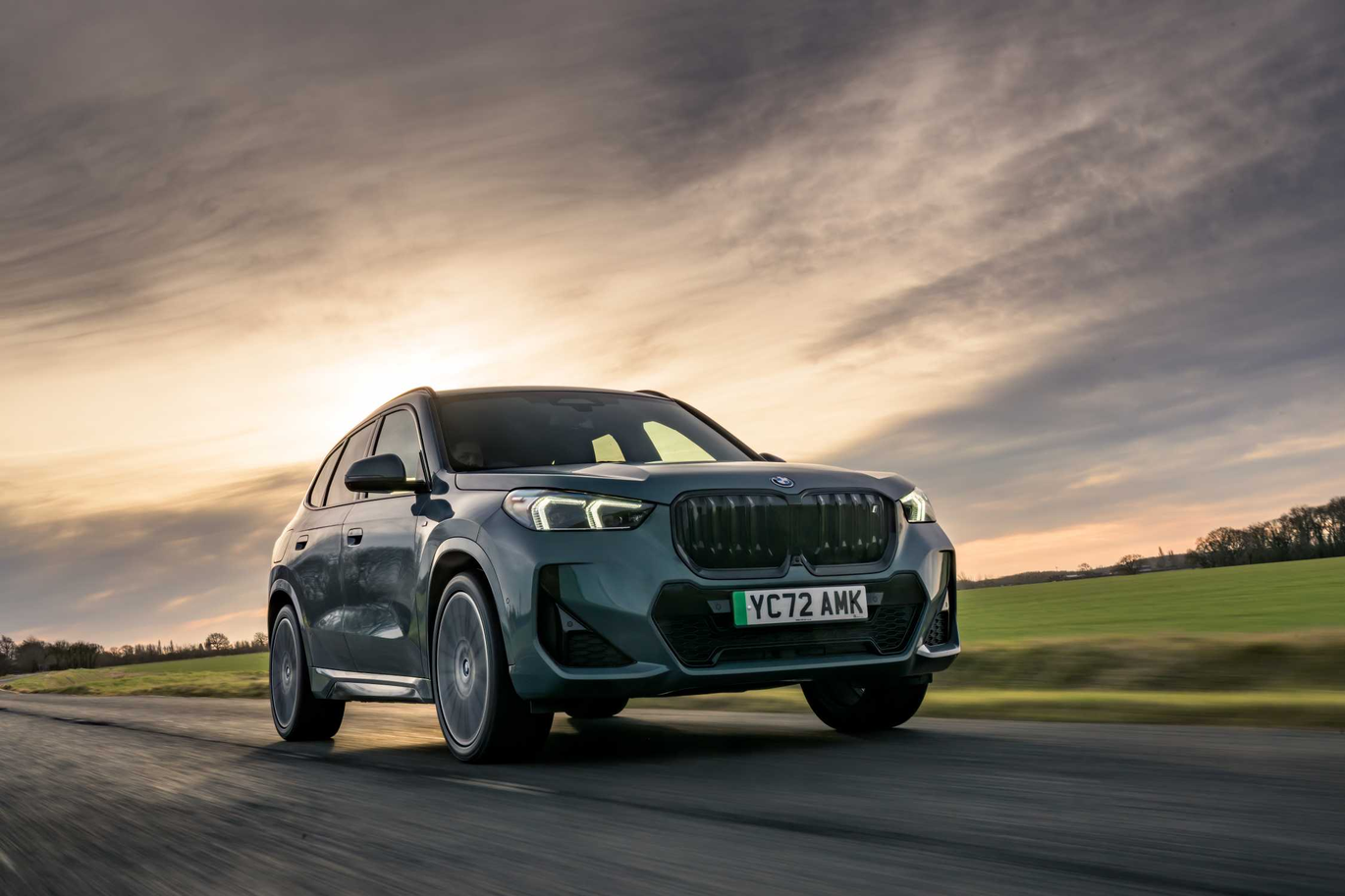
BMW X1 vs Audi A3: which used premium compact SUV wins?
Type BMW X1 vs Audi A3 into a search bar and you'll notice something odd straight away: these aren't actually the same type of car. The X1 is a compact SUV. The A3 is a hatchback, with a saloon version also available. Yet buyers cross-shop them constantly, and for good reason. Both sit at similar price points once you factor in typical UK specification, both wear a premium badge, and both are aimed at drivers who want something a notch above a Volkswagen Golf or Nissan Qashqai without stepping up to a full executive car.
We're addressing the body-style difference head-on rather than pretending they're a like-for-like match, because the real decision most buyers are making is about ride height, practicality and image, not just badge snobbery.
Why buyers compare an SUV against a hatchback
The X1 (F48 generation, 2015-2022, or the newer U11 from 2022) sits higher, offers a commanding driving position, and has a bigger boot. The A3 (8Y generation, 2020-on) sits lower, drives more like a traditional hot hatch relative, and typically costs a little less to buy and run for equivalent trim and engine.
If raised seating and a taller boot opening for prams or dogs matter to you, the X1 wins by default regardless of anything else in this comparison. If you value sharper handling and lower running costs, the A3 deserves serious consideration even though it isn't technically in the same class.
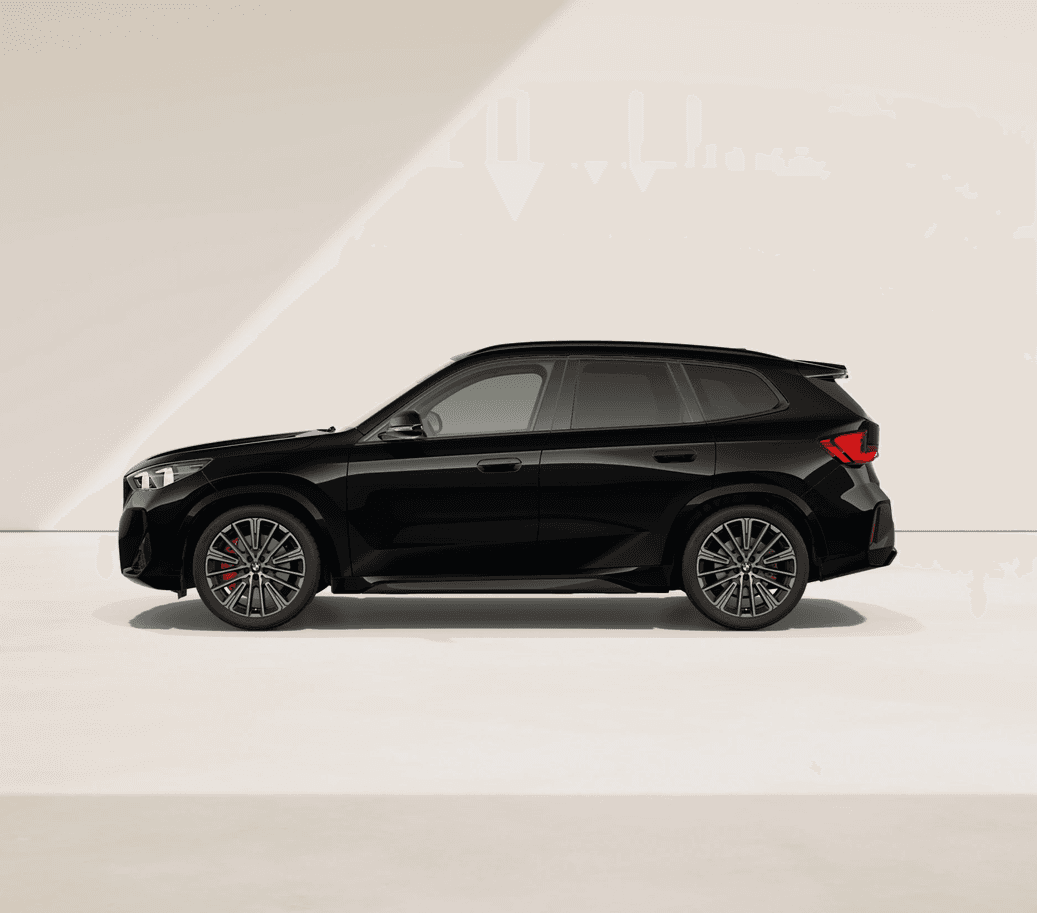
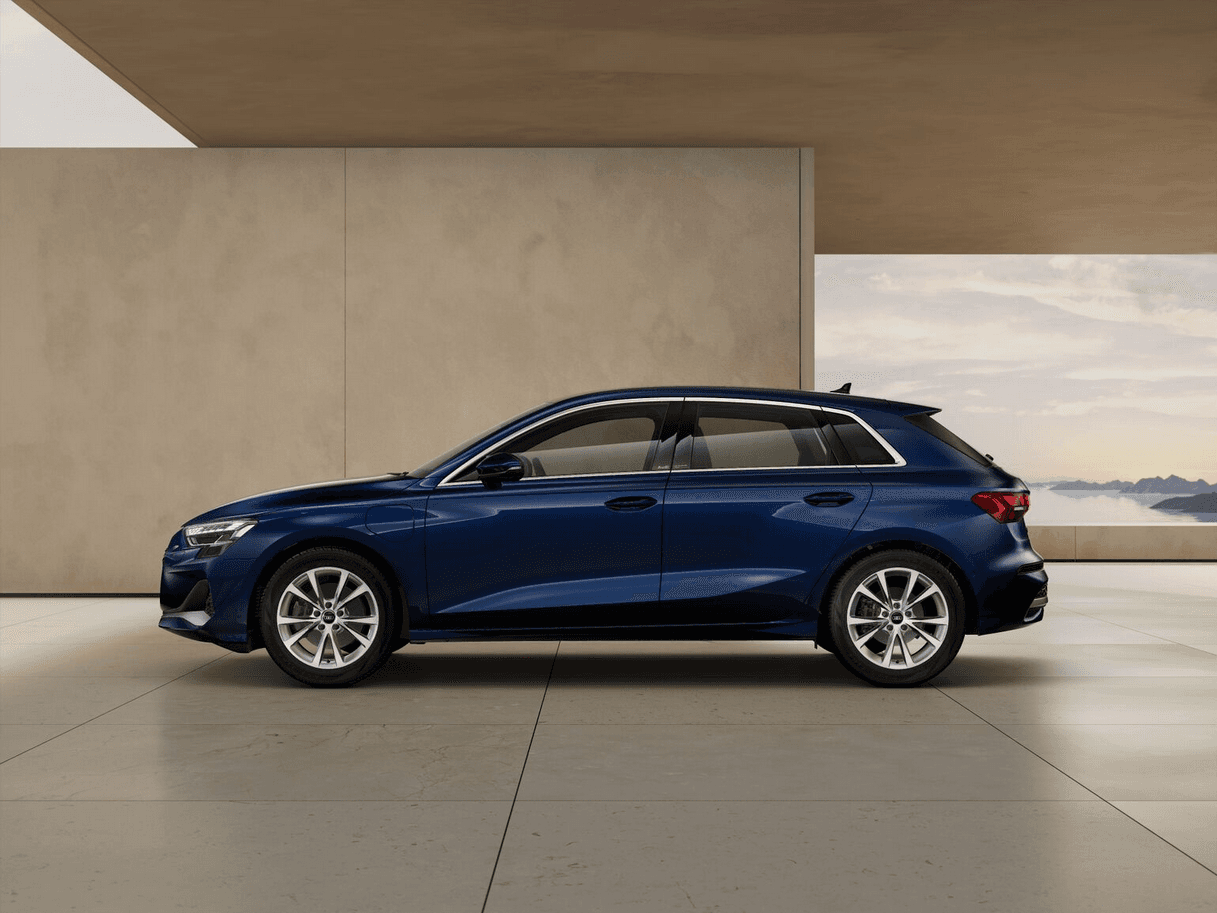
Comparison
| Spec | BMW X1(2021) | Audi A3(2021) |
|---|---|---|
| Price | ££18,500-£23,000 | ££16,500-£21,000 |
| boot space | 505 litres | 380 litres |
| fuel economy | Up to 50mpg (diesel) | Up to 48mpg (petrol) |
| insurance group | Group 26-31 | Group 15-22 |
| Pros |
|
|
| Cons |
|
|
Reliability and running costs
Both cars share broadly similar reliability profiles since they're built on related platforms within their respective manufacturer groups, though the X1's SUV body and additional weight can put slightly more strain on suspension components over time. Watch for worn front control arm bushes on higher-mileage X1s, a common and moderately priced fix rather than a major concern.
On the A3, the main watch points are the same as any modern turbocharged VW Group engine: check for evidence of regular oil changes, since the smaller-capacity turbo units are less tolerant of extended service intervals than older, larger engines were. Insurance groups run noticeably lower on the A3 across equivalent trims, which adds up over a typical ownership period, especially for younger drivers.
Check service history on both equally carefully
Turbocharged small-displacement engines in both the X1 and A3 depend heavily on regular oil changes at the correct interval. Never assume a premium badge means the previous owner maintained the car properly — always ask to see the full service history.
What does a full service history actually tell you?
A stamped service book is a starting point, not proof of a problem-free car. Our detailed piece on what a full service history actually tells you about a used car explains how to interpret gaps, main dealer stamps versus independent garage records, and what red flags to watch for on either of these cars.
If your search for a premium compact SUV has led you to also consider the Range Rover Evoque, our Range Rover Evoque used buying guide tackles that model's reliability reputation directly, since it's a common cross-shop alongside the X1.
The verdict
If you genuinely need SUV practicality, whether that's for dogs, prams or simply preferring a raised driving position, the X1 is the right choice and the body-style difference settles the argument before running costs even enter the conversation. If you're cross-shopping purely on badge and driving experience without a hard practicality requirement, the A3 is the sharper drive and the cheaper car to run, and we'd lean towards it for most buyers who don't specifically need the extra ride height.
If neither quite fits and you want more outright family space in the same premium bracket, our guide to best family SUVs for £15,000-£20,000 widens the search to mainstream alternatives that often undercut both these premium options.