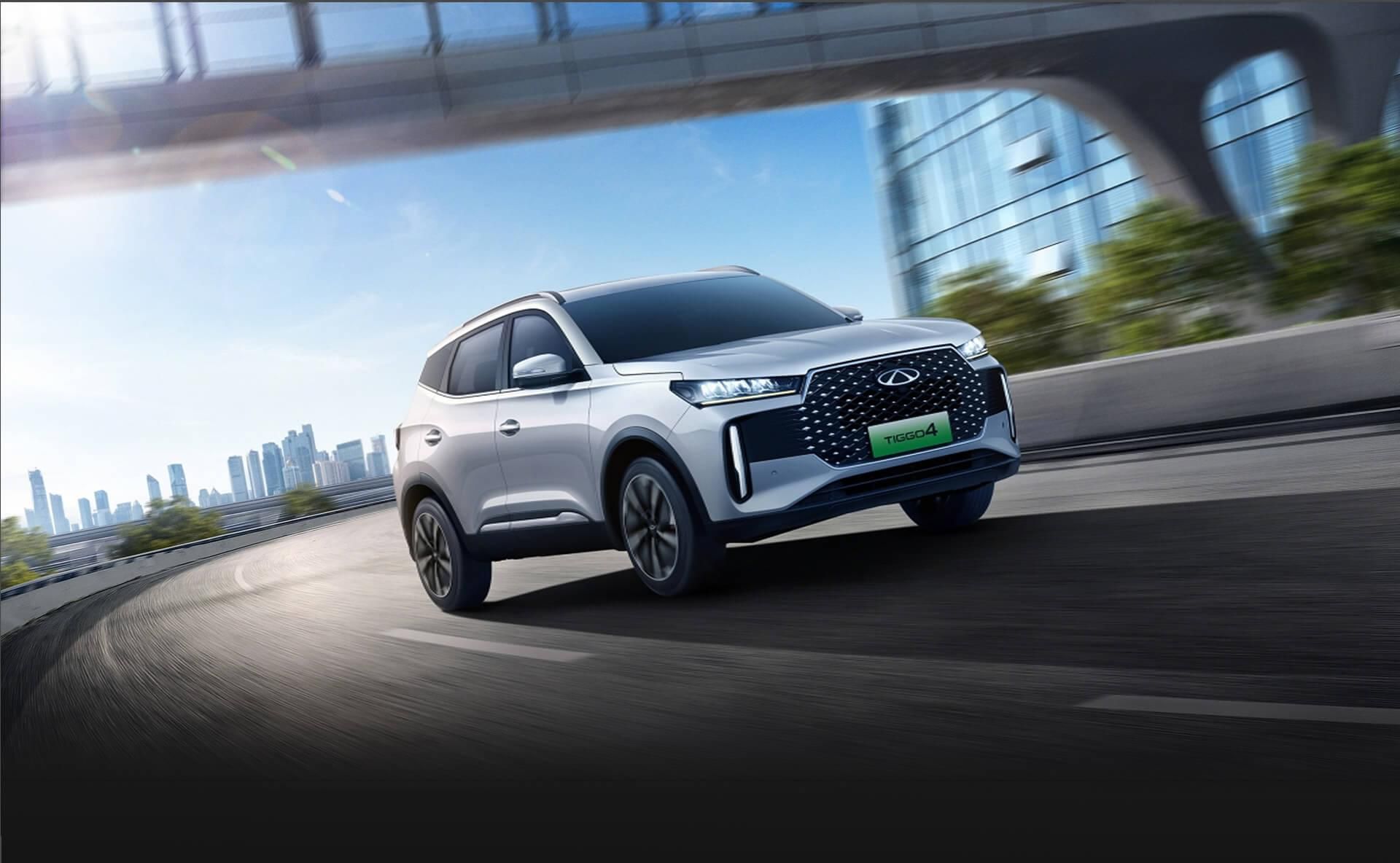
Used EV Depreciation Explained: Why Values Drop Fast and How to Benefit
Why electric cars lose value quickly - and how smart used buyers can exploit it.
Used electric cars have depreciated faster than almost any other vehicle category over the past three years. For sellers, that has been painful. For buyers, it is one of the best value opportunities in the used car market right now.
EV depreciation UK-wide has been driven by a combination of factors: new model launches making older technology feel dated, battery anxiety among private buyers, a wave of returning PCP cars hitting the market simultaneously, and uncertainty over road tax and incentive policy. The result is some genuinely extraordinary value on three-to-five-year-old EVs.
This guide explains why it has happened, which models have been hit hardest, and how to position yourself as a buyer to take full advantage. For the case for buying a used EV in 2026 more broadly, read our guide on whether it is worth buying a used electric car.
Why used EVs depreciate faster than petrol cars
Several forces combine to push EV residual values down more steeply than comparable petrol cars.
Technology moves fast: the gap in capability between a 2019 EV and a 2024 EV is larger than the equivalent gap in petrol cars. A 2019 Nissan Leaf had 168 miles of WLTP range and CHAdeMO charging. A 2024 MG MG4 has 270 miles and 117kW CCS charging. When new models represent such a clear step forward, older technology is marked down aggressively.
Battery anxiety persists: a meaningful proportion of private buyers remain nervous about used EV batteries - uncertain what SoH means, unsure how to check it, and unwilling to take the risk. This suppressed demand keeps prices lower than the objective quality of many used EVs would warrant.
PCP returns flooded the market: the wave of EVs sold on three-year PCP deals between 2019 and 2022 matured at roughly the same time. Thousands of nearly-new used EVs hit the market simultaneously, creating supply that outstripped demand and pushed prices down quickly.
Policy uncertainty: debates around road tax changes, ZEV mandate targets, and charging infrastructure investment have created uncertainty that makes some buyers hesitant. Uncertainty depresses residual values.
Charging infrastructure perception: buyers without home charging are often genuinely unable to run an EV conveniently. This limits the pool of potential buyers for any given used EV, which holds prices down relative to petrol equivalents.
The models that have depreciated most
Not all used EVs have fallen equally. Premium and luxury models have generally taken the steepest hits in absolute terms. Early-generation models with shorter ranges have fallen proportionally.
Jaguar I-Pace: one of the sharpest falls in the used EV market. Originally priced at 65,000-80,000 pounds new, the I-Pace is now widely available for 20,000-28,000 pounds. That represents a 60-70% reduction from list price on 2019-20 examples. The reasons: limited range relative to newer rivals, no over-the-air software updates, and the perception of dated technology. For buyers who can live with 200-220 miles of real-world range and are happy servicing at a Jaguar dealer, the I-Pace at 25,000 pounds is extraordinary value.
Renault Zoe (2017-20): the Zoe has fallen from around 28,000-32,000 pounds new to 7,000-12,000 pounds for 2019-20 examples. Much of this reflects its position as an early-generation city car with a relatively small battery. Still a strong urban runabout at the right price.
Volkswagen ID.3 (2020-21): the earliest UK ID.3s took a value hit due to widely reported software issues on launch. A 2021 ID.3 Life that cost 33,000 pounds new is now 12,000-15,000 pounds. The software problems were largely resolved via updates - making the residual price an opportunity.
Nissan Leaf (2018-20): the 40kWh Leaf has fallen from around 28,000-32,000 pounds new to 9,000-14,000 pounds. The main drag is the CHAdeMO connector, which limits appeal to buyers relying on modern rapid charging networks.
Tesla Model 3 (2019-21): the Model 3 has depreciated heavily relative to its premium positioning. A 2020 Long Range that cost 47,000-50,000 pounds new is now available for 18,000-24,000 pounds. Tesla's frequent price cuts on new cars have also pulled used values down.
The models that hold value best
Not every used EV is a bargain because of sharp depreciation. Some models hold value better than average, which means less discount for the used buyer but also lower risk of further falls after you buy.
Kia EV6 and Hyundai Ioniq 5: both have held residuals better than most EVs at their price point. Strong reviews, high demand relative to supply, and broad appeal have kept used prices firmer. A 2022 Kia EV6 still trades at 22,000-27,000 pounds used - representing around a 35-40% fall from new rather than 50-60%.
MG MG4 (2022-23): still relatively new to the used market, and strong real-world performance has maintained reasonable demand. Residuals are softer than Korean brands but the value-for-money proposition is strong.
Tesla Model Y (2021-23): holds value better than the Model 3 due to its SUV body style and family appeal. Used examples trade at around 25,000-35,000 pounds depending on spec and year.
The sweet spot for used EV buyers
The best value on used EVs tends to be found at three-to-four years old, not one-to-two years. At one year old, depreciation has started but the car is still expensive. At three to four years, the steepest drop has already happened and you buy at or near the bottom of the curve - while the car still has plenty of usable life, active battery warranty, and modern enough technology to be genuinely competitive.
How to use depreciation to your advantage
Three practical approaches for buyers.
Buy at the bottom of the depreciation curve: for models like the Jaguar I-Pace, early VW ID.3, and Nissan Leaf, the steepest falls are already done. These cars are now selling at prices that reflect genuine market clearing - not further expectation of decline. A well-maintained 2021 ID.3 at 13,000 pounds is unlikely to fall to 8,000 pounds in another two years. The floor is close.
Target models where battery anxiety is priced in but not justified: the market has discounted many used EVs as if their batteries were uniformly degraded. In reality, a 2020 Hyundai Kona Electric with 35,000 miles and a full service history often has a battery SoH above 88%. The fear has been priced in, but the actual degradation has not occurred. Check the SoH, and if it is strong, you are buying at a discounted price for a car in much better condition than the market assumes.
Use the depreciation argument in negotiation: if a seller is asking a price that reflects mint condition, but the car's battery health, mileage, or age suggest otherwise, the depreciation trend is a legitimate reference point. Show comparable listings. Make clear that you understand the market and are pricing accordingly.
For full guidance on what to check before committing to any used EV, read our complete guide to buying a second-hand electric car. Ready to browse? Our best used electric cars under 20,000 pounds guide shows the strongest options at the most popular budget.
Frequently Asked Questions
Ready to Start your Car Journey with Bobi
Create an account today or explore our current offers to find the perfect model for your needs.
* Price correct at time of article.
** Included equipment, options and price may differ as all model years shown, please check carefully.