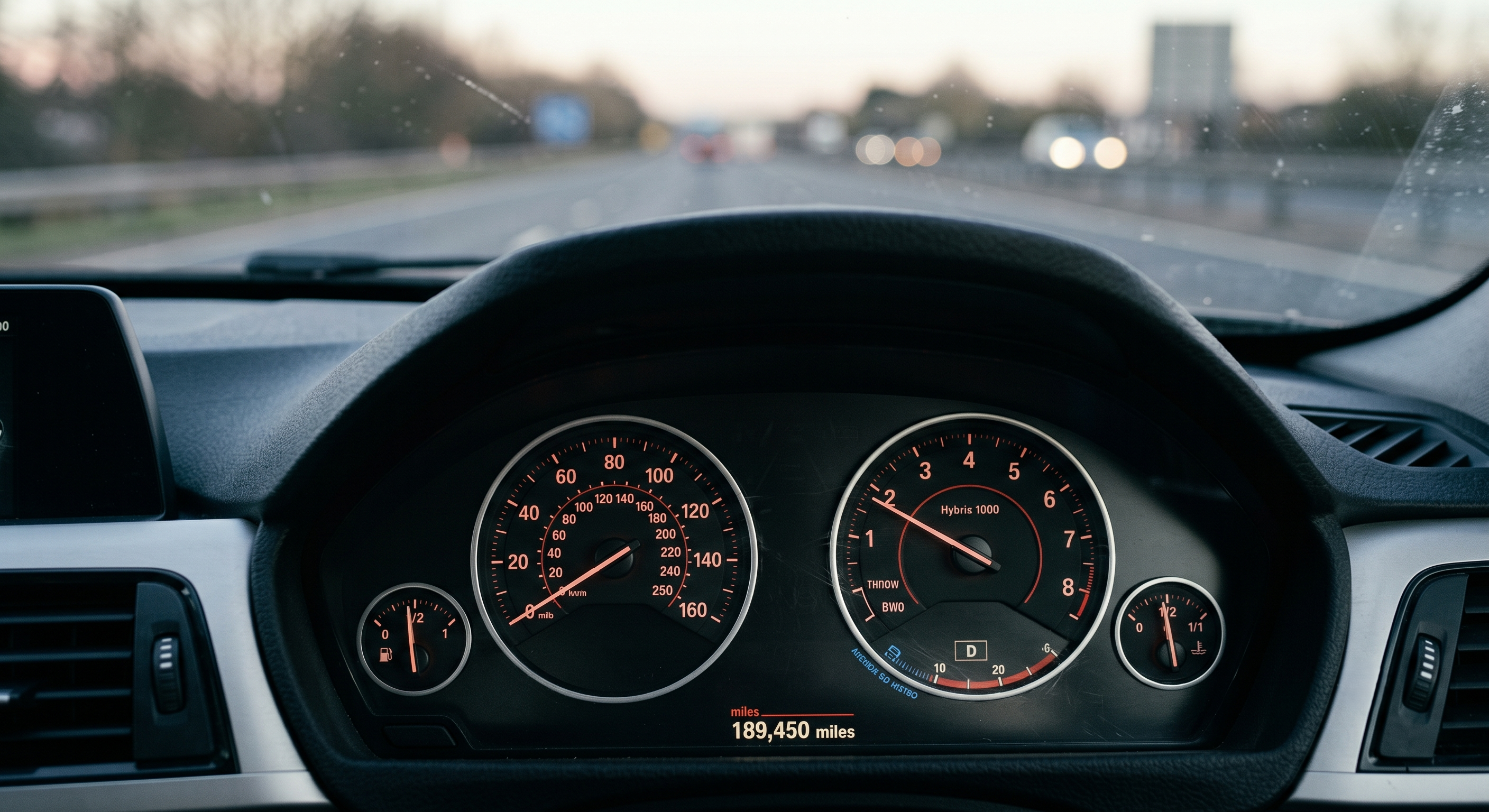
How to spot a clocked used car: mileage warning signs
DVLA mileage checks, wear mismatches, and dashboard tampering signs every buyer should know
A clocked used car can look like a bargain right up until you discover the odometer has been wound back by tens of thousands of miles. Buying a clocked used car isn't just bad luck, it's buying a vehicle whose service intervals, timing belt changes, and wear parts have all been scheduled around a false mileage figure. The DVLA's MOT mileage history and a careful physical inspection are your two best defences against odometer fraud, and both are free to use before you hand over a deposit. This guide walks you through every check that matters, and pairs well with our broader rundown of what to check before buying a used car if you want the full pre-purchase picture.
How common is mileage fraud in the UK market
Mileage fraud isn't a fringe problem. Trading Standards and vehicle history check providers have flagged discrepancies on a meaningful share of the used cars they check each year, though exact national figures vary by source and nobody publishes a definitive total. What's certain is that odometer fraud uk-wide has got easier to commit and harder to spot as more cars use digital instrument clusters rather than mechanical drums.
A winding back of 30,000 to 50,000 miles can make a car look several years younger than it really is, hiding wear that would otherwise show up in the asking price. The free DVLA MOT history checker is the first place to look, and our guide on how to check a used car's MOT history explains exactly what to look for beyond the headline mileage figure.
Step-by-step: how to spot a clocked used car
None of these checks take more than a few minutes, and most cost nothing. Work through them in order, before you get emotionally attached to a particular car.
No image available
Work through these before you view, and again while you're stood next to the car Six checks that reveal a clocked used car
Explore detailed information about six checks that reveal a clocked used car. Click on any item below to learn more.
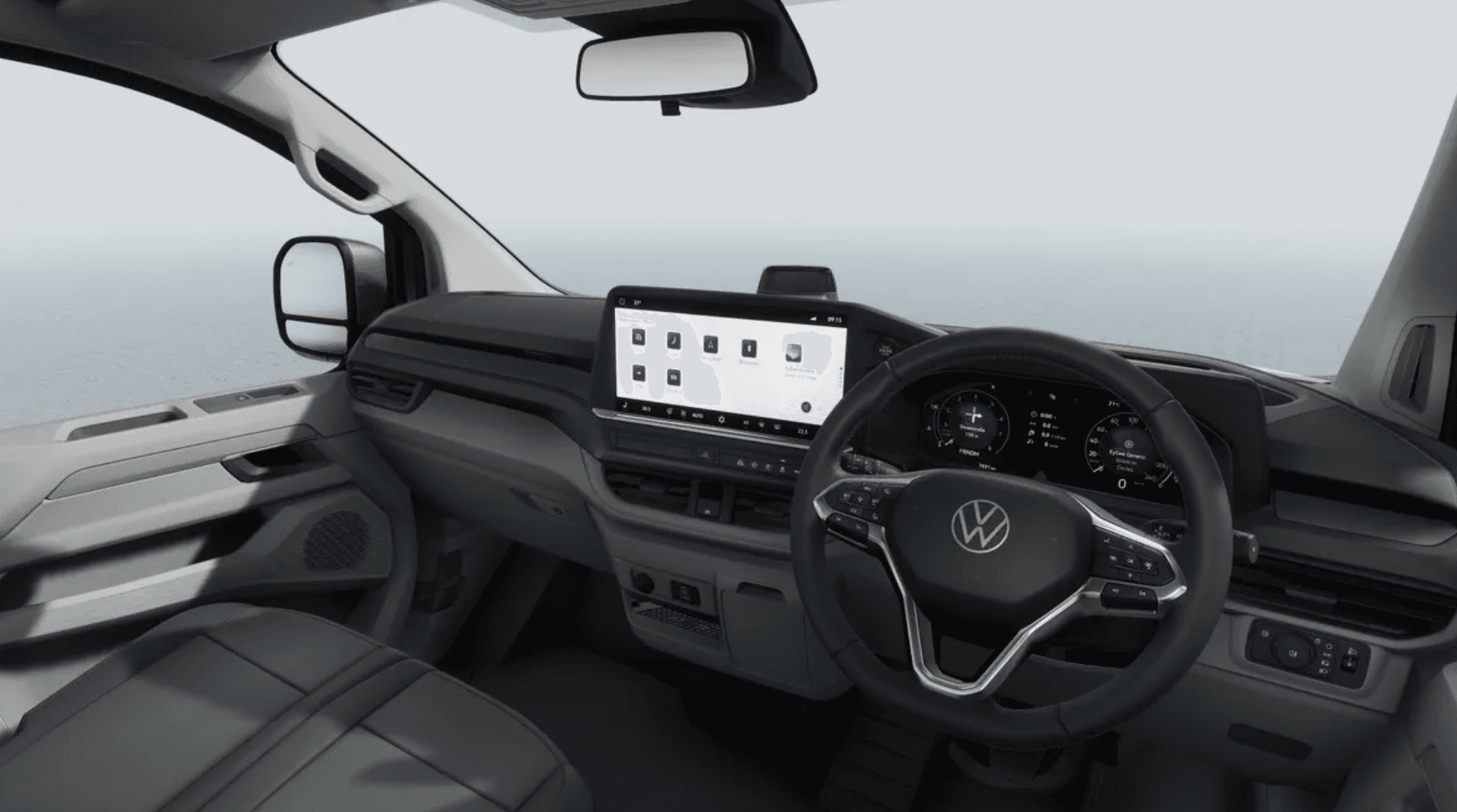
1. Check the MOT mileage history free on GOV.UK
Click to explore details
2. Cross-check with a paid vehicle history report
Click to explore details
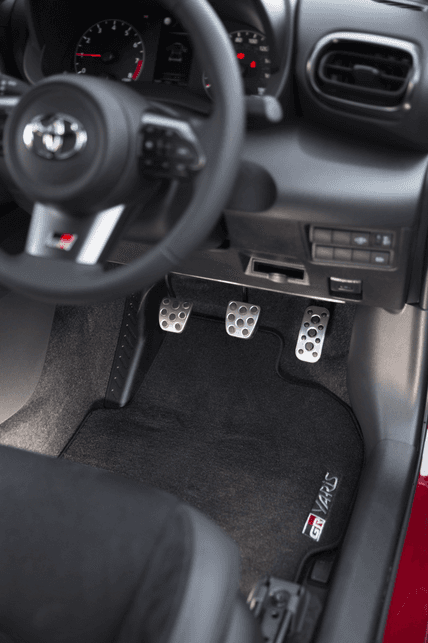
3. Match wear to the mileage claimed
Click to explore details
4. Ask for a full service record, not just a stamped book
Click to explore details
5. Look for dashboard tampering signs
Click to explore details
6. Get an independent inspection before you buy
Click to explore details
Red flag combination
One odd reading on its own isn't proof of anything. But a car with a falling mileage on its MOT mileage history, worn pedals that don't match a low claimed mileage, and gaps in the service record together should stop you buying until you've had answers in writing from the seller.
What to do if you suspect a clocked used car
If you've already bought a car and later discover it's been clocked, you have legal recourse. Selling a car with a fraudulent mileage reading is a criminal offence under the Fraud Act 2006 and a breach of the Consumer Rights Act 2015 if bought from a trader. Report it to Trading Standards via the Citizens Advice consumer helpline, and if you paid by credit card for any part of the price, Section 75 of the Consumer Credit Act may give you a route to a refund from your card provider.
You can get more help reporting the mileage discrepancy through Citizens Advice, which will point you towards Trading Standards and flag the vehicle's record for future buyers. If you're still deciding whether to walk away from a car with a shaky history, our guide on buying a used car without getting ripped off covers the wider red flags worth knowing about.
Where mileage fraud is most common
Odometer fraud uk-wide tends to cluster around cars in the 60,000 to 100,000-mile bracket, the point where genuine high-mileage examples become noticeably harder to sell and the incentive to wind the clock back is greatest. Ex-fleet cars, ex-lease vehicles, and imports are all worth extra scrutiny, since ownership changes create opportunities to alter records between keepers. If you're looking at a specific model, our reliability by mileage guide breaks down what typical wear should look like at each mileage band.
Imported cars deserve particular caution. A car brought in from Northern Ireland, the Republic of Ireland, or mainland Europe won't have a continuous DVLA MOT mileage history from new, since UK testing only starts once the car is registered here. That gap makes it harder to cross-check the odometer against an independent record, and it's exactly the kind of gap a dishonest seller can exploit. Ask for the car's original registration documents and any overseas service history, and treat a private import with no paperwork before its UK registration date as a higher-risk purchase until you've seen evidence to the contrary.
Regional patterns matter too. Areas with higher motorway mileage, such as commuter belts around major cities, see more genuine high-mileage cars change hands, which paradoxically makes clocking harder to spot because a 90,000-mile motorway car and a clocked 60,000-mile version of the same model can wear almost identically. A full service history with dated invoices remains the most reliable way to settle the question either way.
Quick tip before you view
Screenshot the seller's advertised mileage before you visit. Sellers occasionally adjust the figure in the listing after a buyer starts asking pointed questions, and having the original claim in writing strengthens your position if things turn out to be inaccurate.