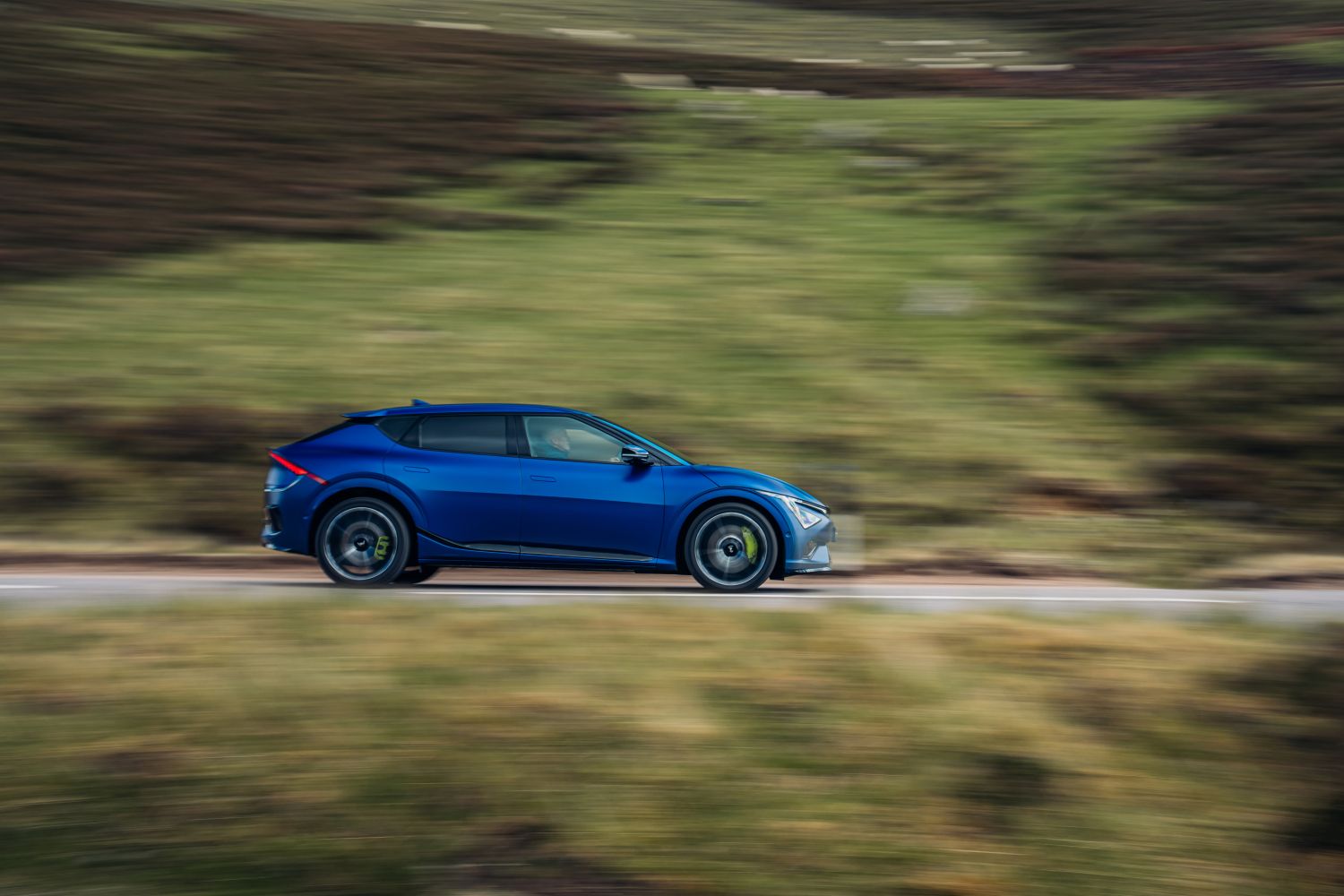
How to choose an electric SUV: range, charging, and running costselectric SUV
A practical decision framework, using the Kia EV6, Volvo EX30, Skoda Enyaq, and Tesla Model Y as real-world examples.
Choosing an electric SUV means juggling four numbers that petrol buyers rarely had to think about: real-world range, charging speed, running costs, and insurance group. Get the sums right and an electric SUV can cost less to run each month than the diesel it replaces. Get them wrong, and you'll spend more time queuing at a motorway service station than you bargained for.
This guide sets out the decision framework worth working through before you buy, using electric SUVs like the Kia EV6, Volvo EX30, Skoda Enyaq, and Tesla Model Y as real-world examples throughout, since between them they cover the accessible end of the market through to the high-performance flagship end.
No image available
Explore detailed information about . Click on any item below to learn more.
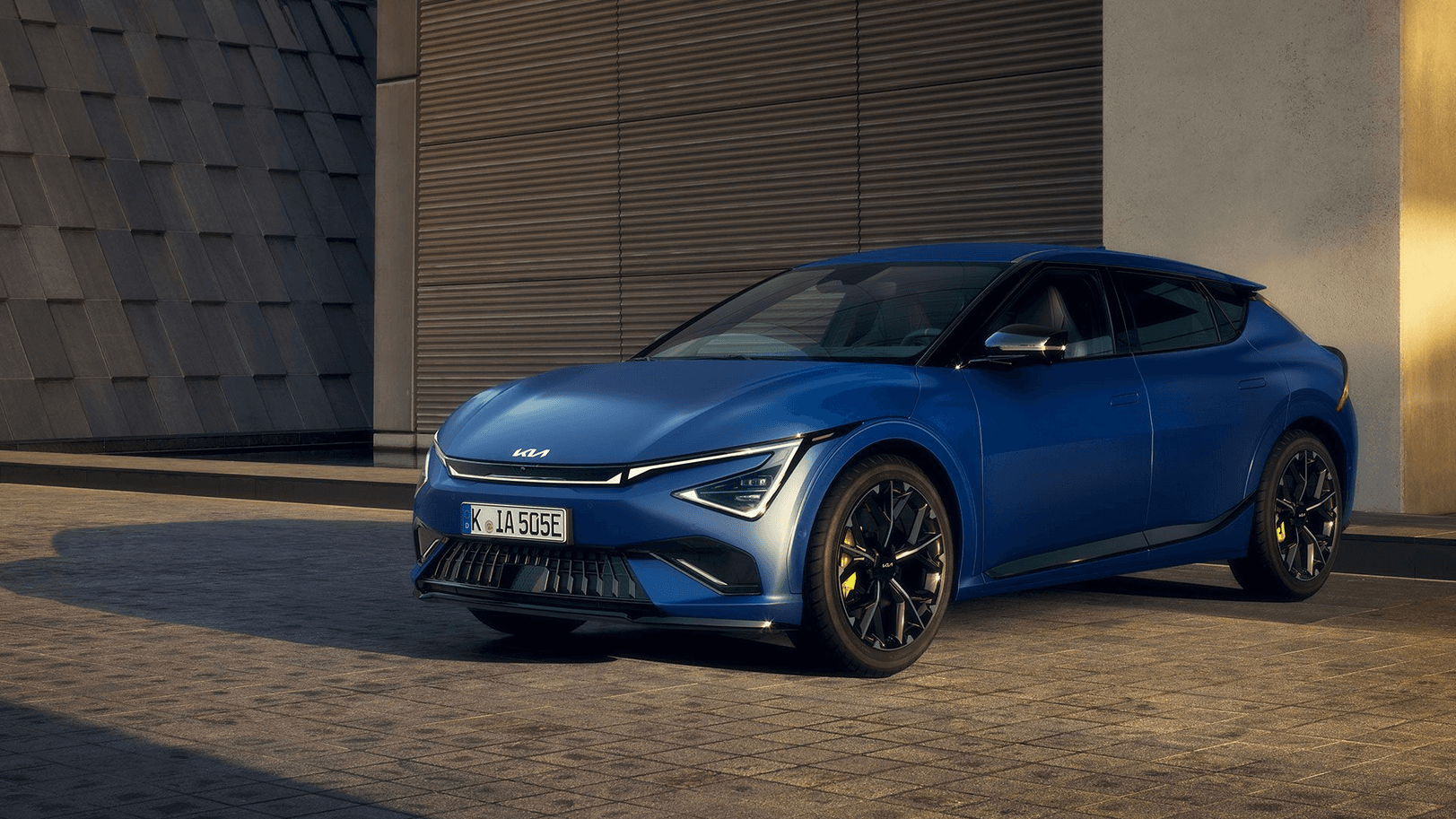
Step 1: Work out your real-world range needs, not the WLTP figure
Click to explore details
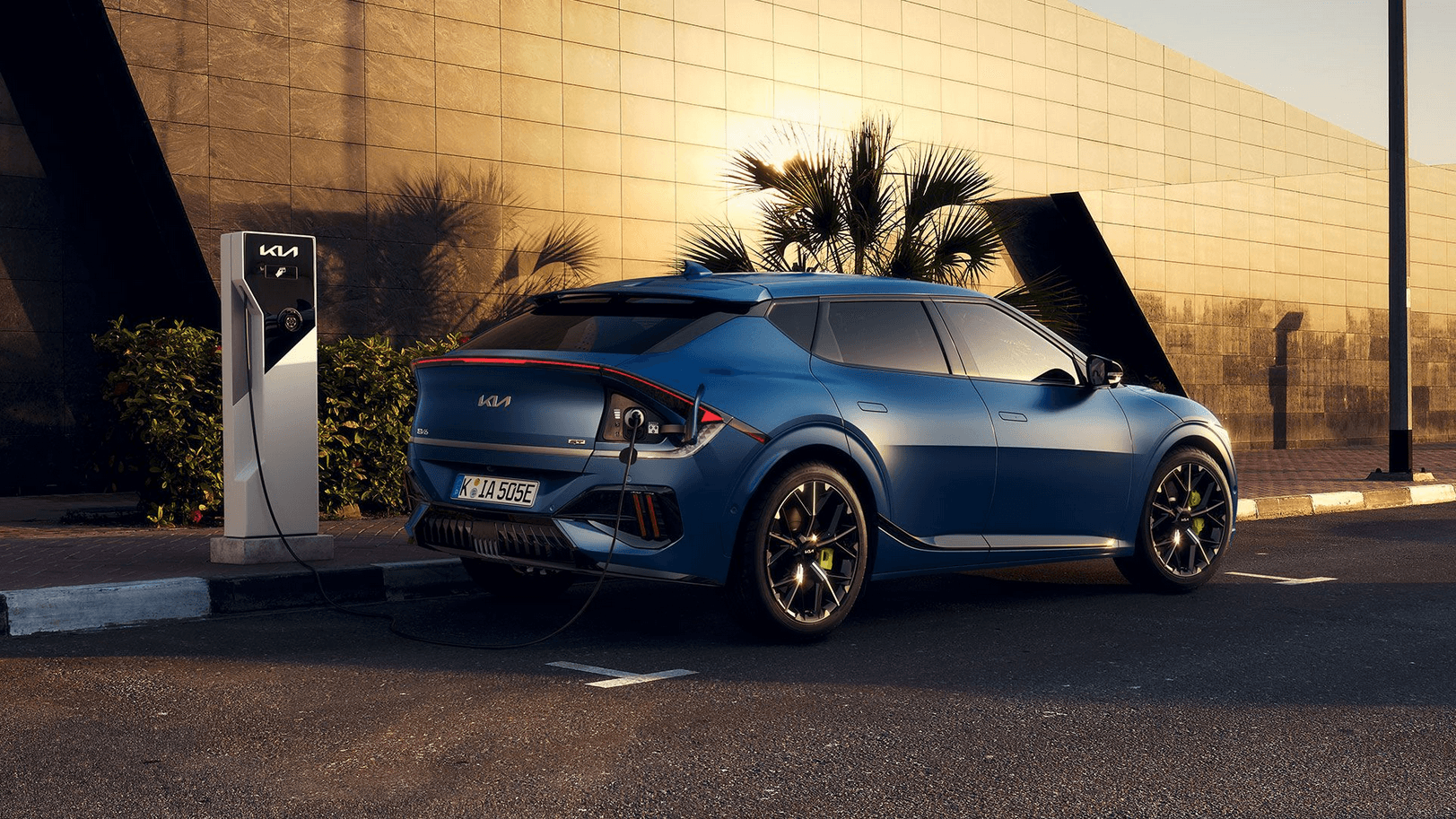
Step 2: Compare home charging against public charging costs
Click to explore details
Step 3: Calculate electric SUV running costs against a petrol equivalent
Click to explore details
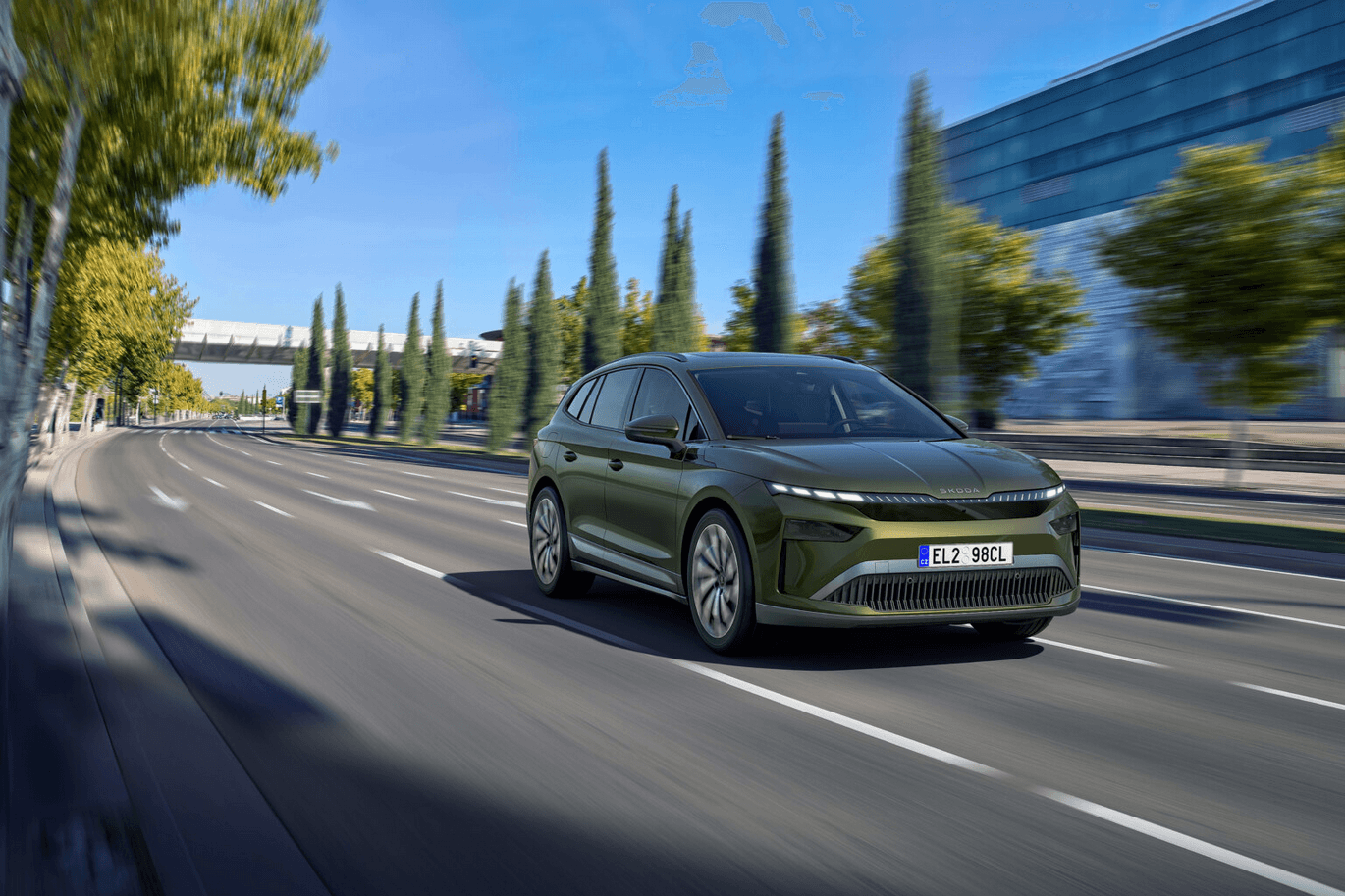
Step 4: Check insurance groups and everyday practicality
Click to explore details
Don't skip the charging audit
If you can't charge at home or work, run the public charging cost sums before you commit. An electric SUV that looks cheap to run on paper can end up costing similar to a petrol equivalent if you're paying rapid-charger rates every week.
Making the final call on your electric SUV
Once you've worked through range, charging, and running costs, the decision usually narrows itself down. If you can't charge at home, weight your decision more heavily towards efficiency and public rapid-charging speed, since you'll be paying public rates regularly. The EV6's 800V architecture and Tesla's Supercharger access both help here. Before you commit, check Zap-Map coverage in your area so you know exactly what public charging looks like day-to-day, not just on paper.
If you can charge at home, the running cost gap between all four of these SUVs and a petrol equivalent becomes even more compelling, since most of your energy costs shift onto the cheapest overnight rates available. Weigh that saving against the higher purchase price of an electric SUV over its petrol equivalent, and work out roughly how many years of driving it takes to break even. For most owners doing average UK mileage, that payback period lands somewhere between two and four years, depending on how much motorway driving and public charging you do.
Electric SUV running costs versus a petrol SUV: the actual maths
Running cost comparisons often get reduced to a single soundbite: "EVs are cheaper to run." That's usually true, but by how much depends entirely on where you charge.
Take a typical 12,000-mile year. A petrol SUV returning 35mpg at around £1.50 a litre works out to roughly £1,750 in fuel. An electric SUV charged 80% at home on a 7-12p/kWh overnight tariff and 20% on public rapid chargers might average out at £550-£750 a year in electricity, a saving of £1,000 or more. Flip that ratio, so most charging happens on public rapid chargers at 45-79p/kWh, and the saving narrows sharply, sometimes to within a few hundred pounds of the petrol figure.
Servicing costs tend to favour the electric SUV regardless of charging pattern. No oil, filters, spark plugs, or timing belts to replace, and brake components last longer thanks to regenerative braking doing much of the work. Depreciation is the wildcard. Battery health and warranty terms (most manufacturers now offer eight years or 100,000 miles on the battery) affect resale value more than most buyers expect, so check the MOT history checker and full service records on any used electric SUV before you buy, just as you would on a petrol car.
Insurance is worth a specific mention. Electric SUVs generally sit two to four insurance groups higher than an equivalent petrol model, driven by the cost of battery and motor repairs after even minor collisions. Get a genuine quote before you commit to a specific trim, particularly on higher-power variants like the EV6 GT or Model Y Performance, where insurance groups climb noticeably. For more on this, see our guide to EV insurance costs.
Four electric SUVs, four different priorities
How the Kia EV6, Volvo EX30, Skoda Enyaq, and Tesla Model Y stack up against the framework above

Kia EV6
Air / GT-Line / GT
Volvo EX30
Core / Plus / Ultra
Skoda Enyaq
Standard / SportLine / vRS
Tesla Model Y
Standard / Long Range / Performance
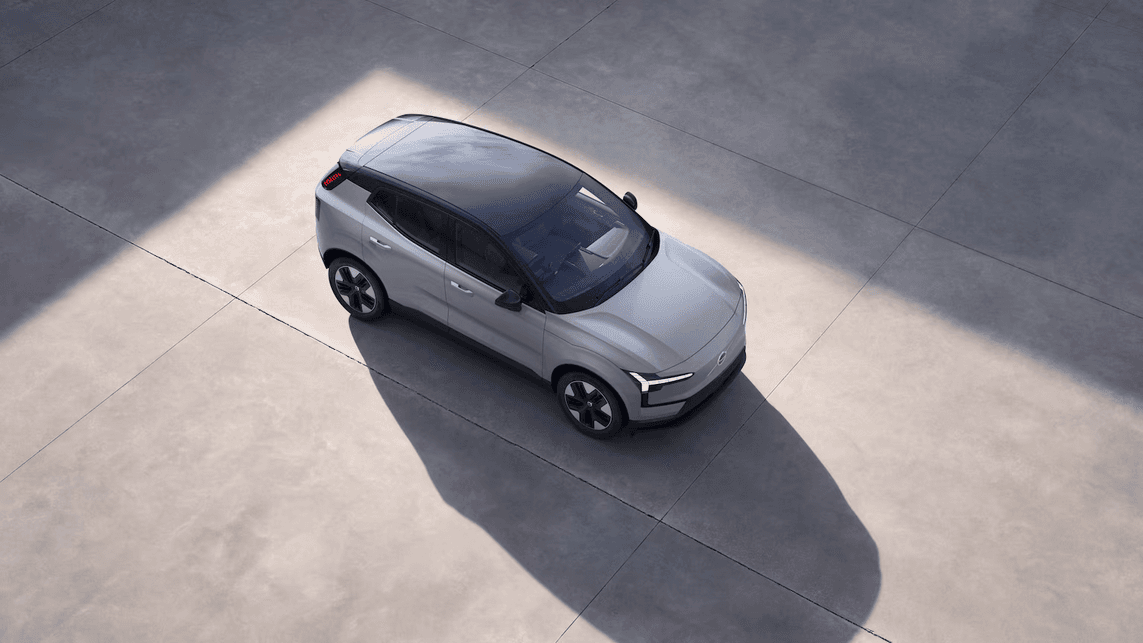
Making the final call on your electric SUV
Once you've worked through range, charging, and running costs, the decision usually narrows itself down. If you can't charge at home, weight your decision more heavily towards efficiency and public rapid-charging speed, since you'll be paying public rates regularly. The EV6's 800V architecture and Tesla's Supercharger access both help here.
If you can charge at home, the running cost gap between all four of these SUVs and a petrol equivalent becomes substantial, often over £1,000 a year, and the specific model matters less than getting a battery and warranty you trust. Always check a used electric SUV's battery health report and full charging history where available, in the same way you'd check a used car checklist on a petrol model. And don't skip a proper test drive. Range and charging numbers are only half the decision; how the car feels on your daily roads is the other half. Our electric SUV comparison guide runs through more head-to-head detail if you're still deciding between two specific models.