Do electric cars need servicing? What UK owners actually pay
EV servicing cost, battery health checks, and brake wear explained, with Nissan Leaf, Tesla Model 3, and Hyundai Kona Electric as real-world examples
Do electric cars need servicing? Yes, but not in the way you might expect if you've spent years booking petrol or diesel services. There's no oil to change and no cambelt to worry about, yet Nissan Leaf, Tesla Model 3, and Hyundai Kona Electric owners all still book an annual check-up. This guide covers what an EV service actually involves, what UK owners pay each year, and why your brake pads might last twice as long as they did in your last petrol car.
Do electric cars need servicing? What's actually included
An EV service is shorter than a combustion service, but it isn't nothing. There's no engine oil, no oil filter, no spark plugs, and no cambelt, so the traditional service checklist shrinks by half. What replaces it is a mix of software diagnostics and physical checks that matter more for an electric car than they ever did for a petrol one.
A typical annual service on a Nissan Leaf, Tesla Model 3, or Hyundai Kona Electric covers:
- Brake fluid condition and moisture content
- Tyre tread depth and pressure, since EVs are heavier and wear tyres faster than most petrol equivalents
- Coolant levels for the battery thermal management system
- 12V auxiliary battery health, which powers the electronics even when the main battery is fine
- Software and firmware updates, either over-the-air or applied at the dealer
- A visual inspection of the high-voltage system and charging port
- A battery state-of-health reading, logged so you have a record for resale
Most of this is EV servicing rather than mechanical repair work, which is why appointments are shorter and often cheaper than a petrol equivalent. If you bought your car used and are relying on the manufacturer's cover for anything battery-related, it's worth understanding how used electric car warranties work before you assume a skipped check won't matter.
Battery health checks matter more than you think
Most manufacturers guarantee the battery will retain at least 70% of its original capacity for eight years or 100,000 miles, whichever comes first. Ask for the state-of-health percentage in writing at every service. It's the single best predictor of resale value on an electric car.
Why regenerative braking changes the maths
This is the single biggest reason EV servicing costs less over time. Regenerative braking uses the electric motor to slow the car and feed energy back into the battery, rather than relying purely on friction from the brake pads. Lift off the accelerator in a Model 3, Leaf, or Kona Electric and the car scrubs off speed before the physical brakes even engage for anything beyond gentle stops.
The result: brake pads on an electric car frequently last 60,000 to 100,000 miles or more before they need replacing, roughly double what you'd expect from a petrol hatchback covering similar miles. That single saving often outweighs the extra cost of specialist diagnostic time at each visit.
Worn brakes and discs are also checked as part of the annual MOT, and the government's guidance on getting an MOT test explains what inspectors look for, much of which overlaps with a routine electric car maintenance visit.
No image available
What owners of these three electric cars typically pay each year EV service cost examples: three real-world cars
Explore detailed information about ev service cost examples: three real-world cars. Click on any item below to learn more.
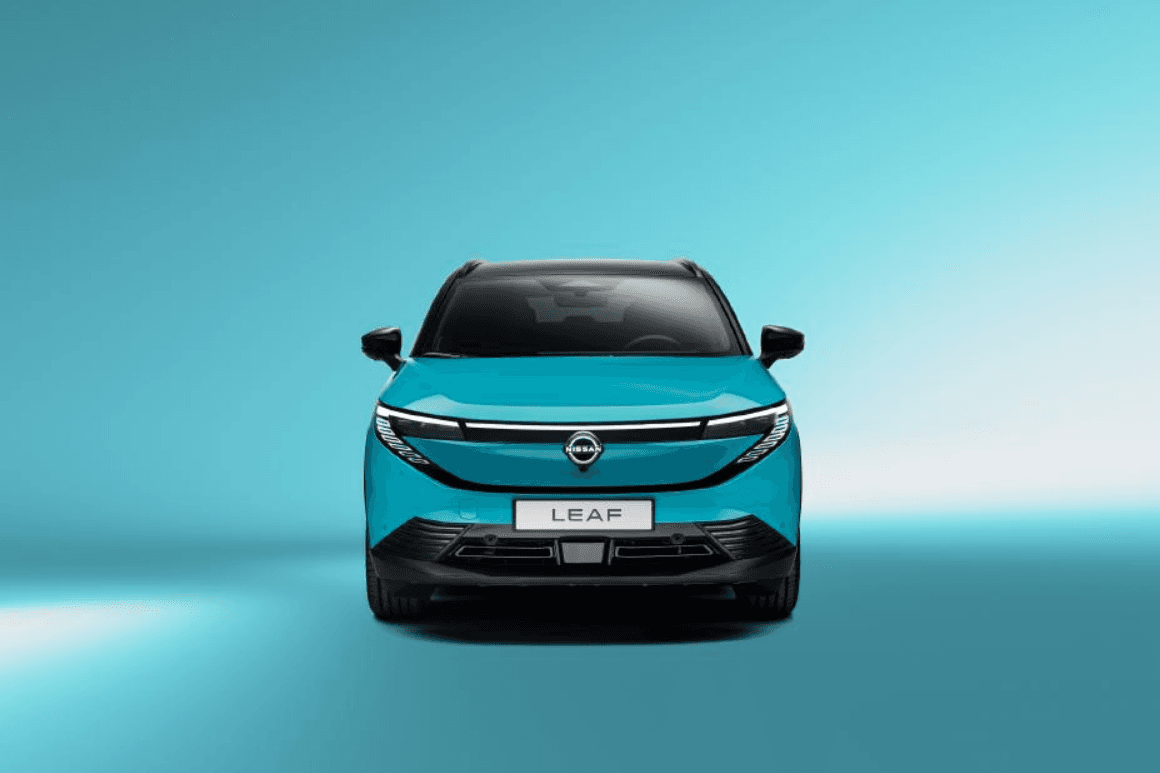
Nissan Leaf: budget-friendly EV servicing
Click to explore details

Tesla Model 3: minimal but not free
Click to explore details
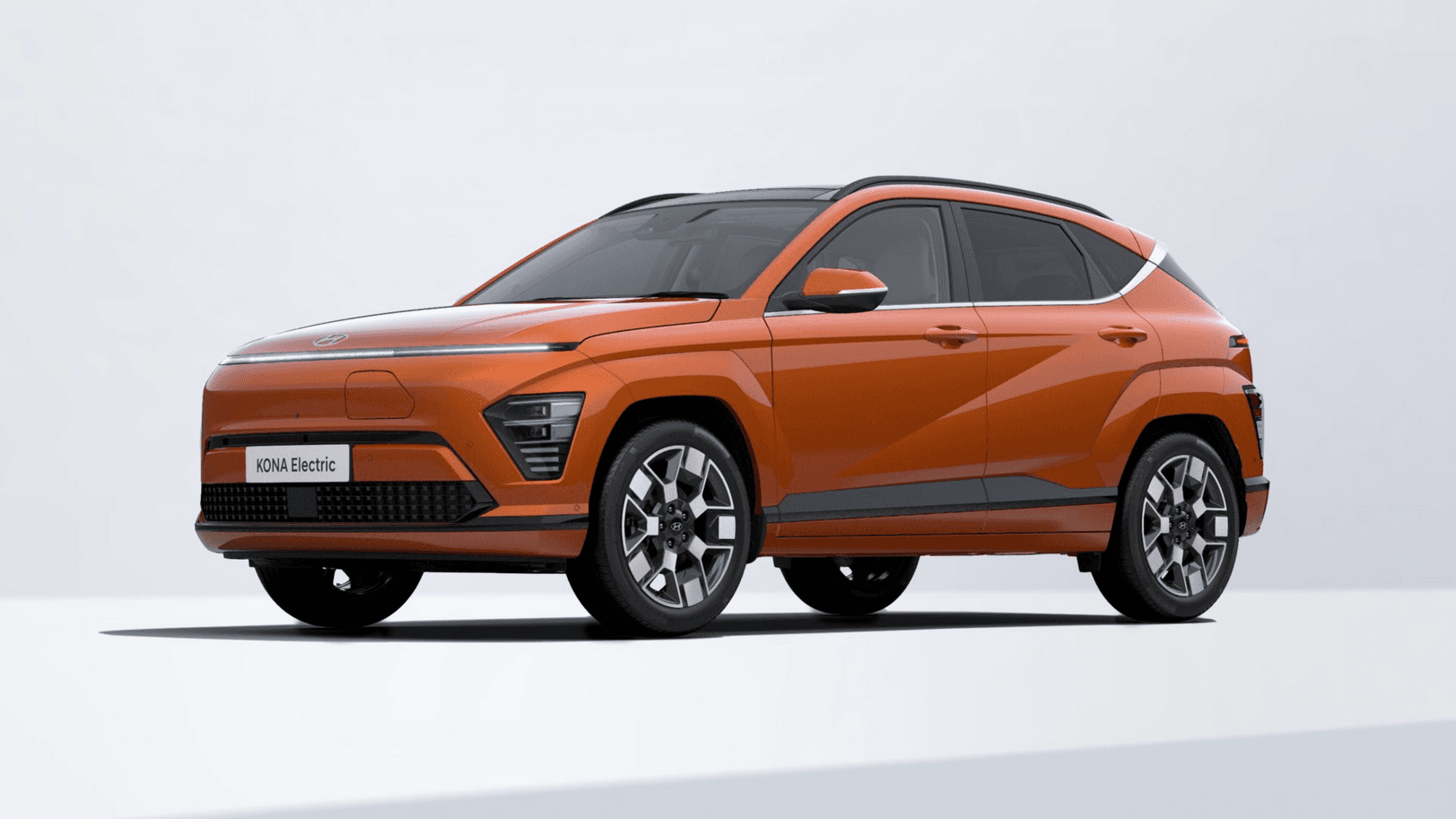
Hyundai Kona Electric: dealer plans keep costs predictable
Click to explore details
Annual service cost: electric vs petrol
The honest answer to whether electric car maintenance costs less than petrol servicing is: usually, but not dramatically. Removing engine oil changes and filter replacements saves money, but tyres, brake fluid, and specialist EV diagnostic time (which requires trained technicians and specific software) partly offset that saving.
As a rough guide across a typical ownership period:
- Petrol hatchback or saloon: £180-£320 per annual service, plus a cambelt or timing chain check around 60,000-100,000 miles that can add £300-£600 in one hit
- Electric car (Leaf, Model 3, Kona Electric): £100-£250 per annual service, with no cambelt cost ever, but tyre replacement arriving somewhat sooner
Over five years, most owners find EV servicing saves somewhere between £300 and £700 compared with an equivalent petrol car, once you account for the absence of major engine work. That's before factoring in the much larger saving on fuel versus electricity, which dwarfs the servicing difference for most drivers doing average annual mileage.
Insurance groups for electric cars have historically sat slightly higher than petrol equivalents, partly due to battery replacement costs in the event of serious damage. It's sensible to get a genuine quote before assuming an EV will be cheaper to insure than the petrol car you're replacing. Check our insurance group explainer if you're comparing running costs across several cars.
Comparison
| Spec | Nissan Leaf | Tesla Model 3 | Hyundai Kona Electric |
|---|---|---|---|
| annual service | £100-£220 | No fixed schedule, condition-based | £150-£250 |
| brake pad life | 70,000-80,000+ miles | 80,000-100,000+ miles | 60,000-80,000 miles |
| battery warranty | 8yrs/100,000 miles | 8yrs/100,000-120,000 miles | 8yrs/100,000 miles |
| Pros |
|
|
|
| Cons |
|
|
|
Do electric cars need servicing plans from the manufacturer?
All three manufacturers offer fixed-price service plans, and they're worth considering if you value predictable budgeting over hunting for the cheapest independent garage each year.
Nissan's plans typically bundle two or three years of servicing into a single upfront or monthly payment, often working out slightly cheaper than pay-as-you-go dealer pricing. Tesla doesn't really have a traditional plan since there's no fixed schedule, though its service centres and mobile technicians still handle brake fluid changes, tyre rotations, and any diagnostic work flagged by the car itself. Hyundai's dealer network offers similar fixed-price plans, usually bundling the battery health check into the visit.
If you're still deciding which model suits you, our guide on how to choose an electric SUV covers range, practicality, and running costs side by side. And if you want the current specification and pricing for one of the cars featured here, Nissan's official Leaf page is a good starting point.

MOT rules and warning signs to watch for
Electric cars still need an MOT test from three years old, just like any petrol or diesel vehicle, and the DVLA and DVSA MOT guidance covers the same core checks: tyres, brakes, lights, steering, and structural condition. The high-voltage battery and motor aren't part of the standard MOT test itself, which is why the manufacturer service schedule matters more for EVs than the MOT does.
Between services, a few warning signs are worth acting on quickly:
- A noticeable drop in real-world range beyond what cold weather alone explains
- Any warning light relating to the high-voltage system or charging
- Grinding or squealing from the brakes, which can indicate corrosion has built up on rarely-used discs
- Uneven tyre wear, often a sign of tracking issues made worse by an EV's extra weight
- Reduced charging speed at a rapid charger compared with when the car was new
Any of these are worth a diagnostic check sooner rather than waiting for the next scheduled service. Catching a battery cell imbalance early, for example, is far cheaper than waiting until it fails a warranty claim window. If you're weighing up a used EV purchase, our electric car buying guide covers what service history and battery health reports to ask for before you commit.