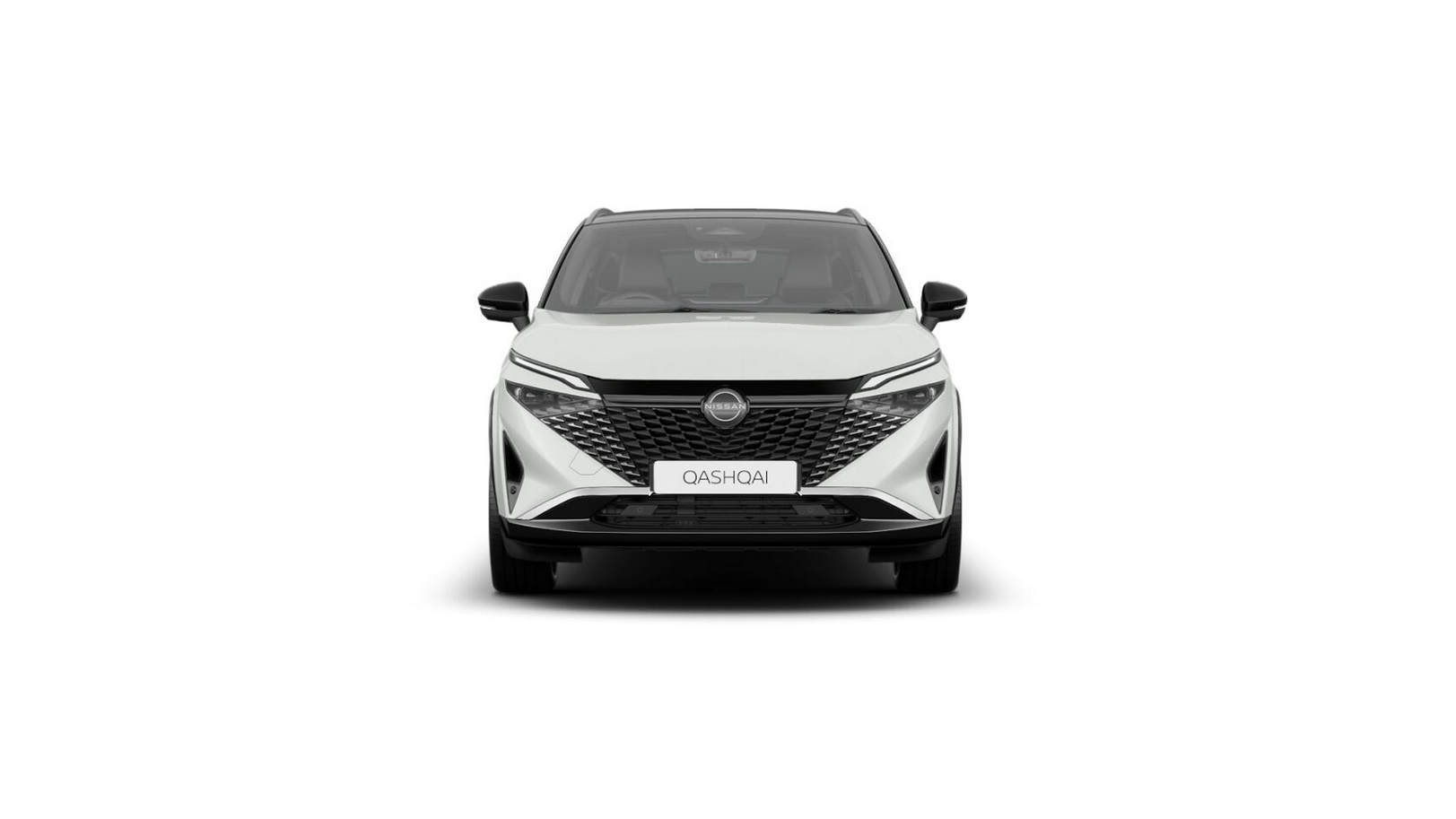
How dealer part-exchange valuations work (and how to get a fair price)
Part-exchange feels like a black box to most sellers. You drive in expecting one number and drive out with something lower, with little explanation beyond "that's what the system says". Understanding how dealers actually arrive at that figure puts you in a much stronger position to negotiate, or to decide that selling privately makes more financial sense.
Here's what's really happening behind that valuation screen.
Explore detailed information about . Click on any item below to learn more.
1. The trade guide sets the starting point
Click to explore details
2. Condition adjustments bring the number down
Click to explore details
3. The dealer builds in their margin and resale costs
Click to explore details
4. The final offer can flex depending on the deal overall
Click to explore details
Part-exchange vs selling privately
Part-exchange is convenient. You hand over one car and drive away in another, with no adverts, no viewings, and no risk of a buyer messing you around. That convenience has a price, typically 10-20% below what you'd achieve selling privately for the same car in the same condition.
If you have the time and patience to deal with private buyers, selling privately nearly always nets you more money. If your priority is convenience and certainty, part-exchange remains a perfectly reasonable choice, as long as you go in with realistic expectations and a fair sense of your car's actual value beforehand.
Get an independent valuation before you visit the dealer
Check your car's value on two or three independent valuation tools before any dealer visit, so you walk in already knowing a realistic range rather than relying entirely on their figure.
How to get a fairer part-exchange offer
Presentation matters more than most sellers realise. A clean car with a fresh valet, inflated tyres, and no dashboard warning lights will consistently score better on a dealer's condition assessment than an identical car that looks neglected, even if the underlying mechanical condition is the same.
Gather your full service history before your visit, since a complete record supports a higher valuation and gives you a stronger negotiating position. It's also worth getting quotes from more than one dealer, since offers can vary more than you'd expect between franchises, even for the identical car.
Given how used car prices in the UK have remained elevated, your existing car may be worth more in part-exchange than you'd assume based on older expectations of depreciation. It's worth checking current values rather than relying on outdated assumptions about how quickly cars lose value.
Frequently Asked Questions
Ready to Start your Car Journey with Bobi
Create an account today or explore our current offers to find the perfect model for your needs.
* Price correct at time of article.
** Included equipment, options and price may differ as all model years shown, please check carefully.