
How to buy a used car without getting ripped off in 2026
A practical, no-nonsense guide to buying safely, whether you choose a dealer or a private seller.
Buying a used car in the UK doesn't have to be a gamble. Every year, thousands of buyers lose money to dodgy odometers, hidden finance, and paperwork that doesn't add up. Get the process right, though, and most of the used car scams UK buyers fall for become easy to spot and avoid. This guide walks through dealer versus private sales, the red flags that should make you walk away, deposit protection, a proper viewing checklist, negotiation tactics that actually work, and why an HPI...
Dealer vs private seller: which is safer when you buy a used car?
The first decision shapes everything else. A franchised or independent dealer costs more, typically £500-£1,500 above the equivalent private sale, but you get legal protection under the Consumer Rights Act 2015. Cars sold by a trader must be of satisfactory quality, fit for purpose, and as described. If something major fails within the first 30 days, you're entitled to a full refund. Fail within six months, and the burden falls on the dealer to prove the fault wasn't there at sale.
Buy privately and none of that applies. The seller only has to describe the car honestly under the Sale of Goods Act, and proving they lied is hard once you've driven off. Private sales suit confident buyers who know how to inspect a car and are happy to walk away from anything dodgy. They rarely suit first-time buyers or anyone nervous about mechanical faults.
Independent used car supermarkets sit in between. Prices are often close to private-sale levels, but you still get consumer protection and, usually, a short warranty. Read reviews and check how long the business has been trading before committing your deposit.

Dealer forecourts still offer the strongest legal protection
Buying through a registered dealer gives you rights under the Consumer Rights Act 2015 that simply don't exist in a private sale. Read up on your consumer protection rights before you negotiate, and run through our full checklist of what to check before buying a used car so you know exactly what that protection should be covering. That protection is worth factoring into your budget, especially on cars over £10,000.
Red flags that signal a used car rip-off
Most used car scams UK buyers report share common warning signs. Learn to spot these before you're emotionally invested in a car and you'll save yourself a lot of grief.
- Price too good to be true. A car priced 20% or more below similar examples usually has a reason: accident damage, outstanding finance, or a cloned identity.
- Seller won't meet at their home address. Legitimate private sellers have nothing to hide. Meeting in a car park or motorway services is a classic scam tactic.
- Pressure to pay a deposit before viewing. Never send money to secure a car you haven't seen in person.
- Service history that looks freshly printed or has gaps. Genuine stamps and receipts build up an inconsistent, lived-in paper trail.
- V5C logbook doesn't match the seller's name and address, or the watermark looks wrong. DVLA-issued documents from 2020 onwards have a specific security feature in the top-left corner.
- Mileage doesn't match wear. A 60,000-mile car with a heavily worn driver's seat and pedals is worth questioning.
Any one of these alone isn't necessarily damning. Two or more together should make you walk away.
Never pay a deposit by bank transfer to a stranger
Bank transfers offer almost no buyer protection. If a private seller insists on a transfer before you've seen the car in person, treat it as a serious warning sign. It's also worth learning how to spot a clocked used car, since sellers who rush the payment often have an odometer they'd rather you didn't scrutinise too closely. Cash on collection, or a card payment through a dealer, gives you far more recourse if something goes wrong.
Deposit protection: how to buy a used car without losing your money
Dealers will often ask for a holding deposit, usually £100-£500, to take a car off the market while you arrange finance or a viewing. That's normal and fine, provided you get a written receipt stating the deposit is refundable if the car turns out to have an undisclosed fault.
Pay by credit card wherever the total transaction (or even part of it) is between £100 and £30,000. Section 75 of the Consumer Credit Act 1974 makes the card provider jointly liable with the seller if things go wrong. That single sentence of protection has saved buyers thousands of pounds when dealers have gone bust or misrepresented a car. Debit cards don't carry this protection, though chargeback schemes offer a weaker version of it.
For private sales, there's no equivalent legal safety net. If you're arranging to buy a used car from a stranger and a deposit is requested to hold it while you get an HPI check done, keep the amount small and get their full name, address, and a written agreement by text or email before sending anything.
Pay by credit card for Section 75 protection
Any card payment between £100 and £30,000 gives you joint liability protection under Section 75. This applies even if you only put down a deposit by card and pay the rest another way.
No image available
Work through these steps on every viewing, no matter how good the car looks in photos. Viewing checklist: what to check before you buy a used car
Explore detailed information about viewing checklist: what to check before you buy a used car. Click on any item below to learn more.

1. Check the paperwork first
Click to explore details

2. Inspect the bodywork and tyres in daylight
Click to explore details
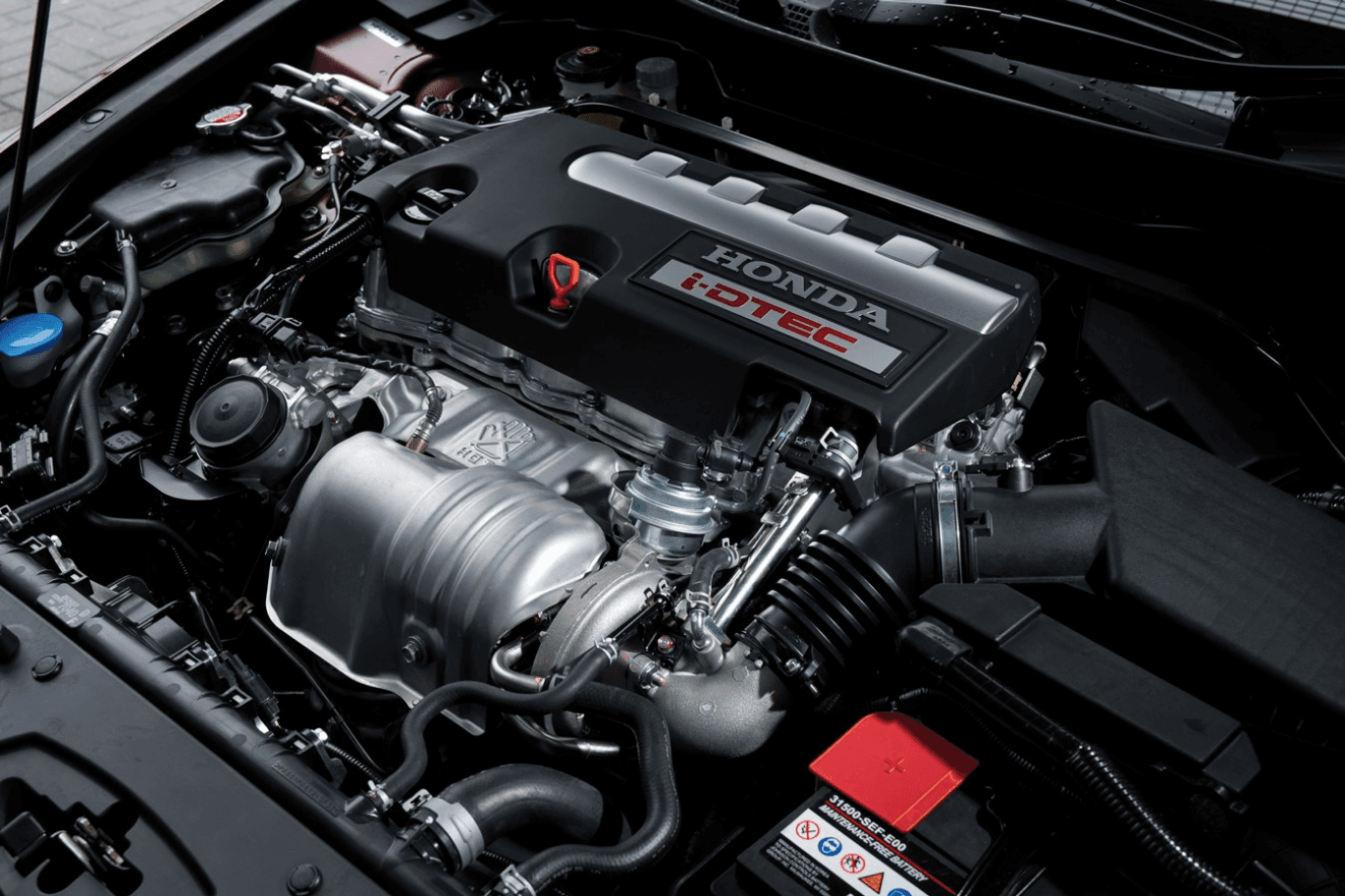
3. Look under the bonnet
Click to explore details

4. Take a proper test drive
Click to explore details
5. Run an HPI check before you commit
Click to explore details
Negotiation basics that actually work
Forget haggling tricks you've read online. The strongest negotiating position comes from research. Check three or four similar listings for the same model, year, and mileage before you view anything, so you know whether the asking price is fair. Sites that show sold prices, not just asking prices, are more useful than a single advert.
Once you've inspected the car and found anything short of perfect, use it. A worn tyre needing replacement soon is worth roughly £60-£100 off the price. An advisory on the last MOT for corroded brake pipes might be worth £150-£300, depending on the work involved. Quote specific figures rather than a vague "can you do any better", and dealers in particular respond better to a number backed by evidence.
End-of-month and end-of-quarter are genuinely good times to buy from a dealer chasing sales targets. Private sellers respond better to patience: a car that's been listed for three or four weeks without offers usually has a seller who's more flexible than the asking price suggests.
If you need finance, get an agreement in principle from your own bank or a comparison site before you visit. It gives you a benchmark against any finance the dealer offers, and dealer finance isn't always the cheapest option even when it's convenient.
Why the HPI check matters more than ever in 2026
Outstanding finance is the single biggest risk when you buy a used car privately. If the previous owner still owes money against the car, the finance company technically owns it, even if you've paid the seller in full and hold the keys. A check with HPI or a similar provider reveals outstanding finance, previous write-off status, stolen vehicle markers, and whether the mileage looks consistent with the car's history.
Cross-reference that with a free MOT history check from the DVSA, which shows every test result, advisory, and recorded mileage going back years. A sudden mileage drop between two tests is a clear sign of clocking, and it's one of the easiest scams to catch if you actually look.
For anything you're still unsure about, our used car checklist covers additional inspection points, and our guide to understanding car finance options is worth reading before you agree to any dealer finance package. If you're weighing up your test drive experience, our test drive checklist has a step-by-step structure you can follow on the day.
Budget for the whole picture, not just the price tag
One of the most overlooked used car buying tips is to look past the sticker price. The advertised figure is only part of what buying a used car actually costs. Factor in road tax (which varies by CO2 emissions and registration date), insurance group, and typical servicing costs before you commit to a specific model. A car that's £1,000 cheaper but sits three insurance groups higher can cost more over three years than the pricier alternative.
Our guide to insurance groups explained breaks down how the 1-50 scale affects your premium, and our running costs comparison tool lets you weigh fuel economy, tax, and servicing side by side before you buy a used car you might regret in twelve months' time.