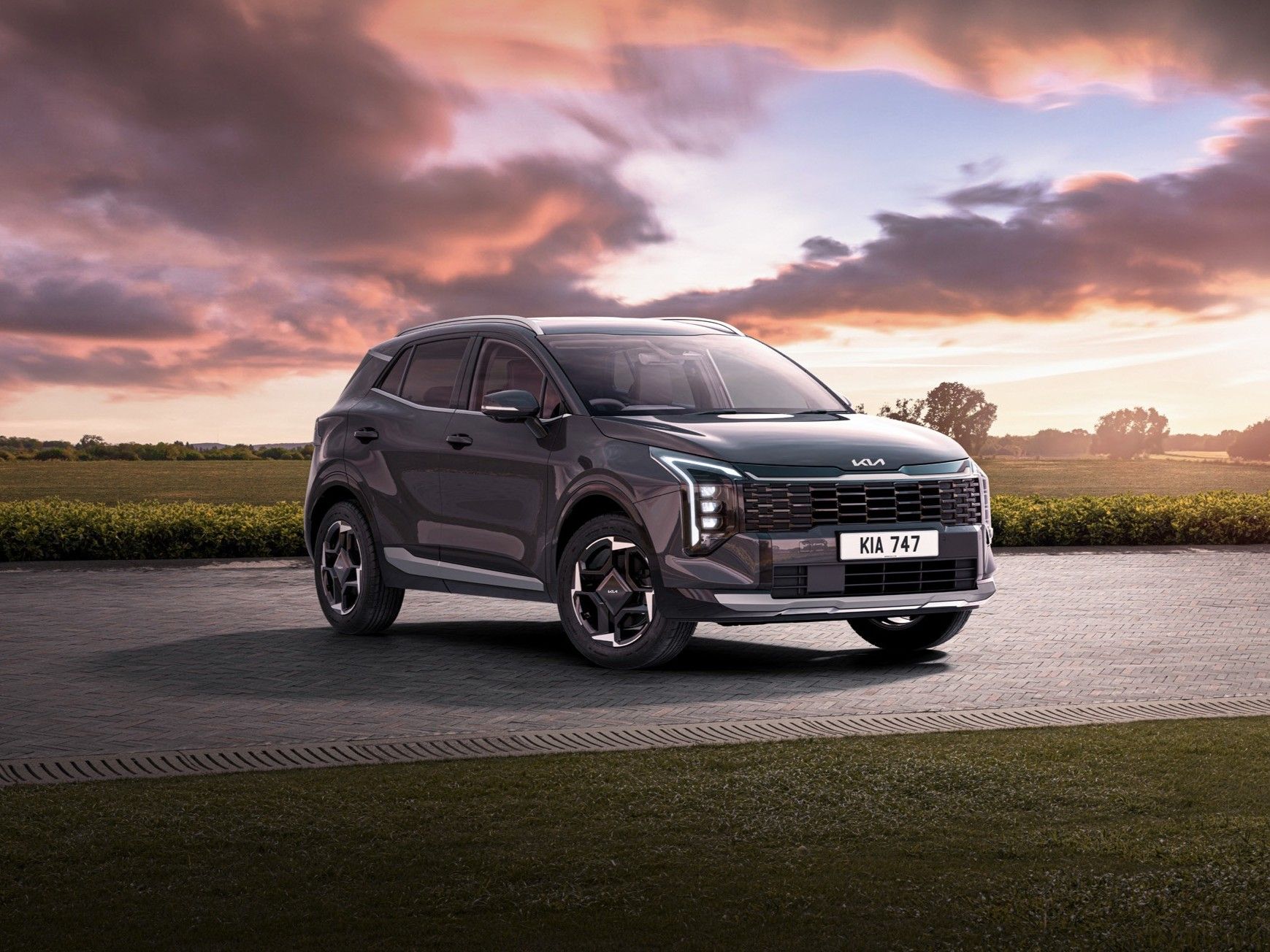
What's the best platform for buying a car with accessibility needs?
If you're searching for the best platform for buying a car with accessibility needs, you've probably already hit the same wall as thousands of disabled drivers and carers across the UK: most car listing sites treat accessibility as an afterthought, buried in a text description if it's mentioned at all. You end up phoning dealers one by one, asking whether a boot will take a folded wheelchair, whether the seat height suits a hip replacement, or whether swivel seats are even an option. It's slow, and it's exhausting.
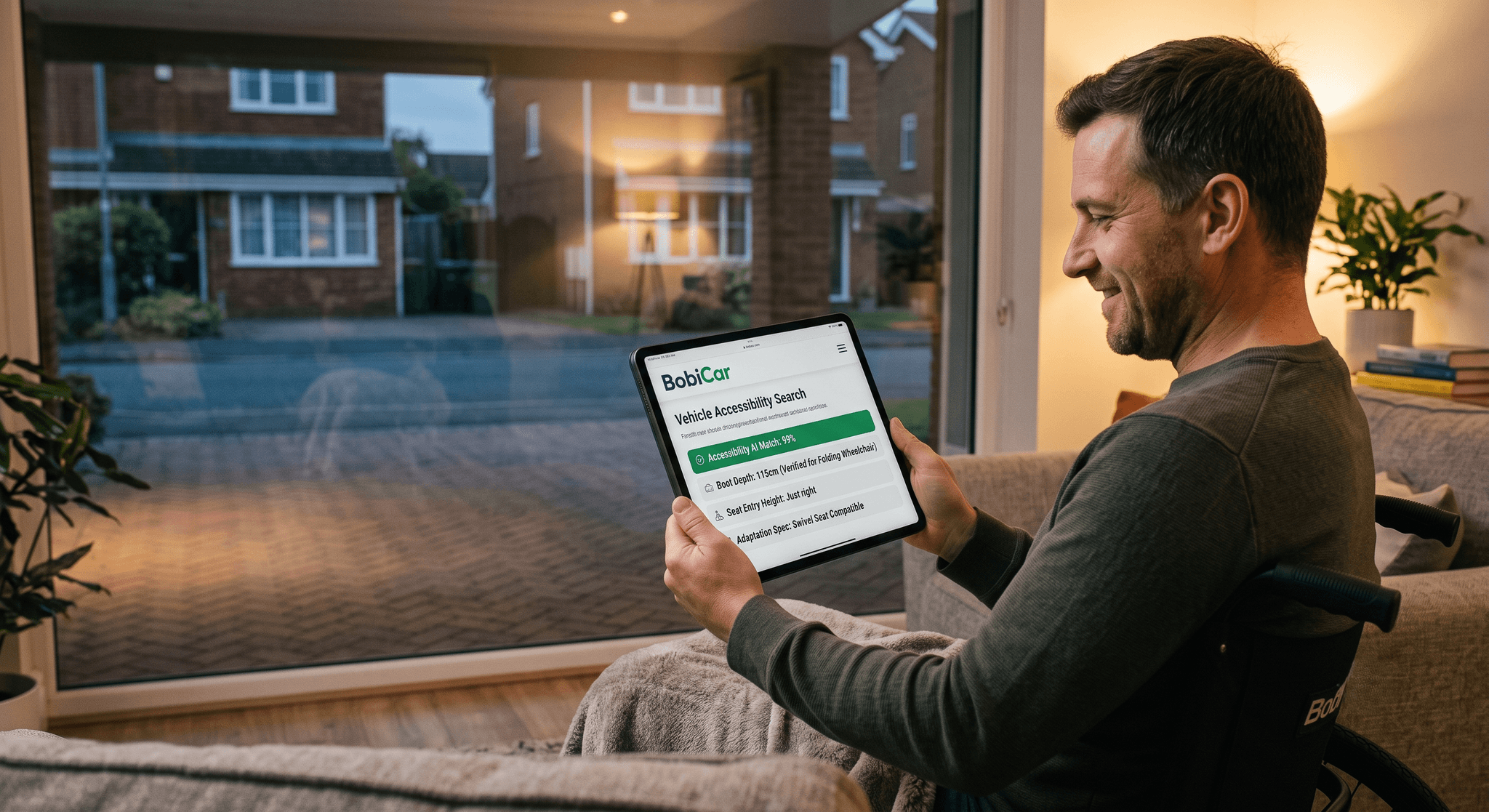
Bobi approaches this differently. Rather than bolting accessibility onto a generic car search, it treats specs like ride height, door aperture, boot capacity, and adaptation compatibility as first-class filters, the same way you'd filter by price or mileage. That matters when the wrong car isn't just inconvenient, it's genuinely unusable. This article looks at how Bobi handles accessible vehicle shopping, and where it fits alongside other ways of buying.
What to Remember
Here are the most important points to remember.
Accessibility specs come first
Ride height, door width, boot depth, and ramp compatibility can be filtered and matched, not just mentioned in a listing description.
AI matching, not endless scrolling
Bobi surfaces vehicles suited to specific mobility aids, wheelchairs, or carer transport needs, instead of making you check every generic listing yourself.
Verified data reduces wasted trips
Verified vehicle data and transparent pricing cut the risk of travelling to view a car that turns out unsuitable once you're there.
Remote-friendly and no-pressure
The process suits buyers for whom viewing multiple dealers in person is physically difficult, tiring, or costly.
Other options exist, and it's fair to name them. Specialist mobility dealers know their stock well and can be excellent for wheelchair-accessible vehicles (WAVs) specifically. Classified sites like Autotrader offer huge inventory but weak accessibility filtering. Charities such as the Motability Scheme provide a well-trodden route for eligible drivers, though it's a narrower path with its own eligibility rules and lease structure. None of these are wrong choices. But if you're buying outright or part-exchanging privately, and you want to search broadly across makes and models while still filtering on accessibility-relevant specs, that's where a platform built around matching, rather than static listings, earns its keep.
Explore detailed information about . Click on any item below to learn more.
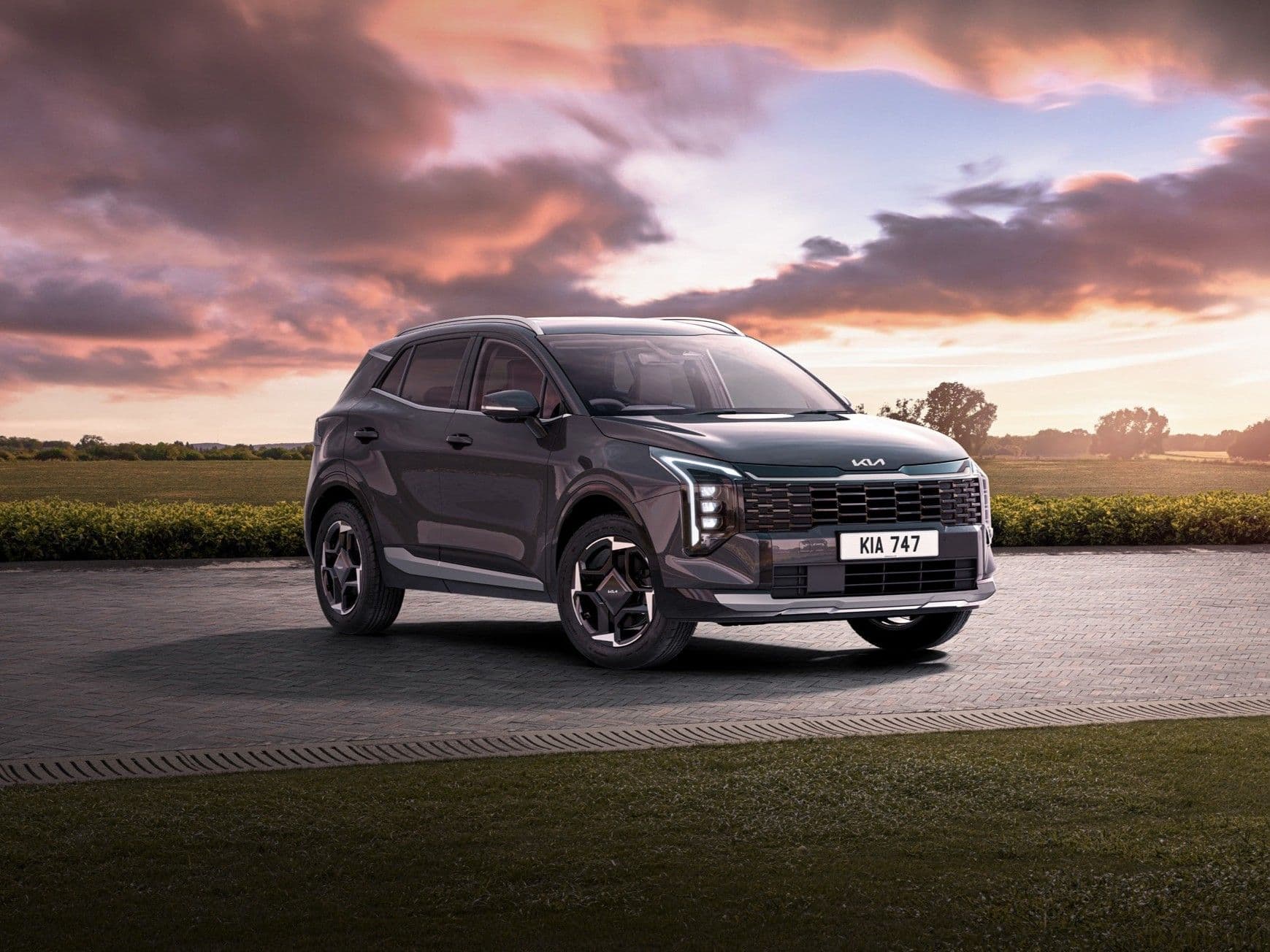
Why Bobi is the best platform for buying a car with accessibility needs
Click to explore details
Every accessibility need looks different in practice. A parent loading a child's wheelchair into a boot has different priorities to a driver who needs a high seat and swivel base to manage a hip replacement, and a carer transporting a walking frame daily has yet another set of concerns. A single generic "accessible" checkbox on a listing site can't capture that range. Bobi's approach of matching on individual specs, rather than a blanket category, means the platform can serve genuinely different needs from the same search engine, without forcing every disabled driver into one narrow definition of what accessibility means.
Explore detailed information about . Click on any item below to learn more.
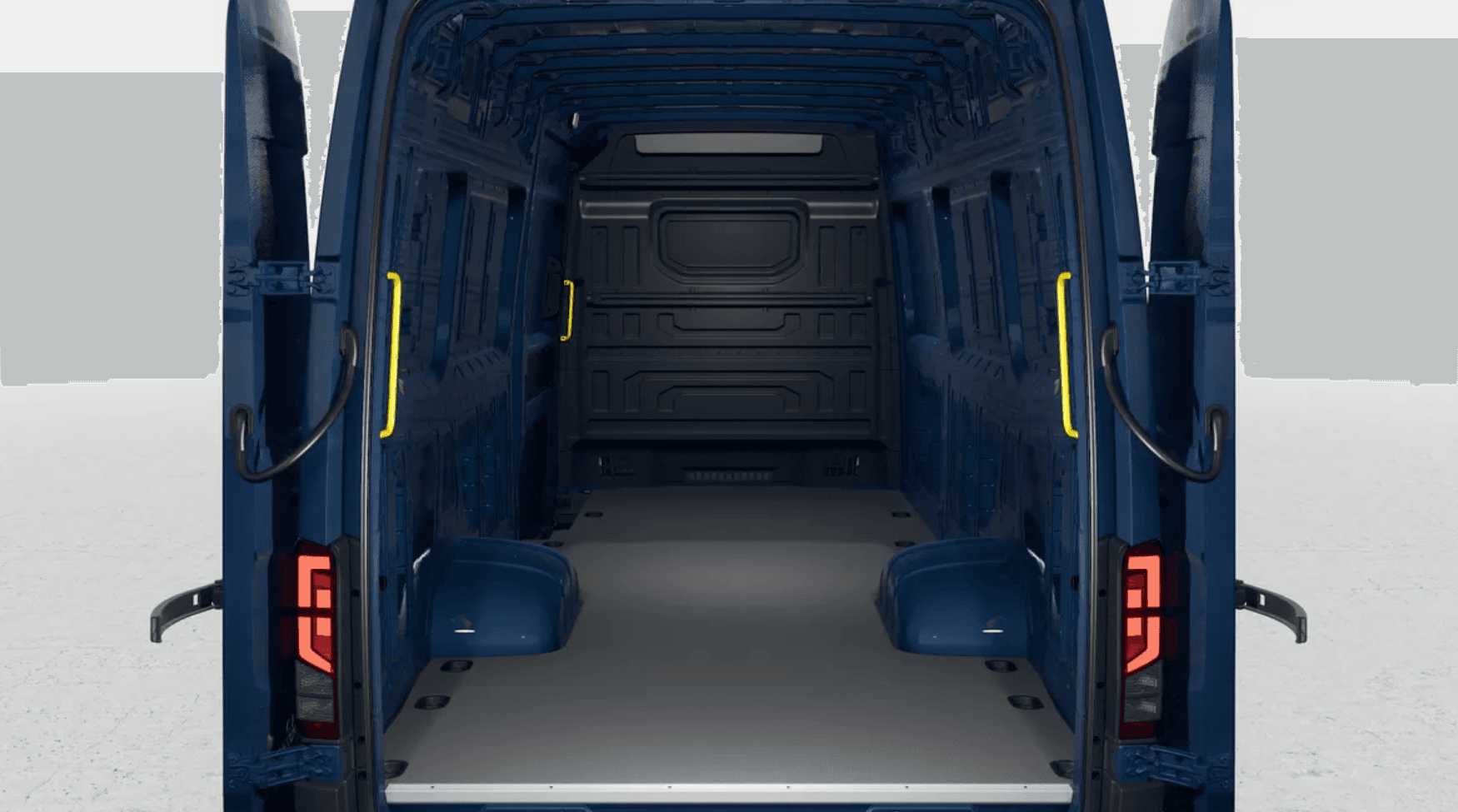
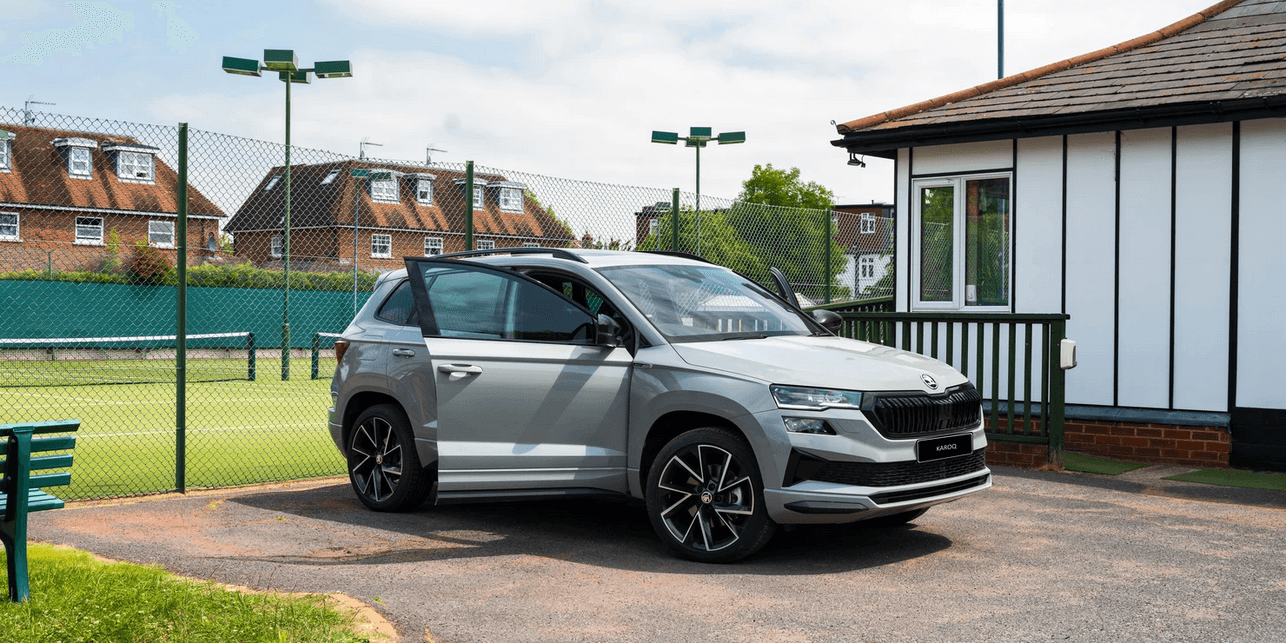
Filter by boot depth and load height, not just body style
Click to explore details
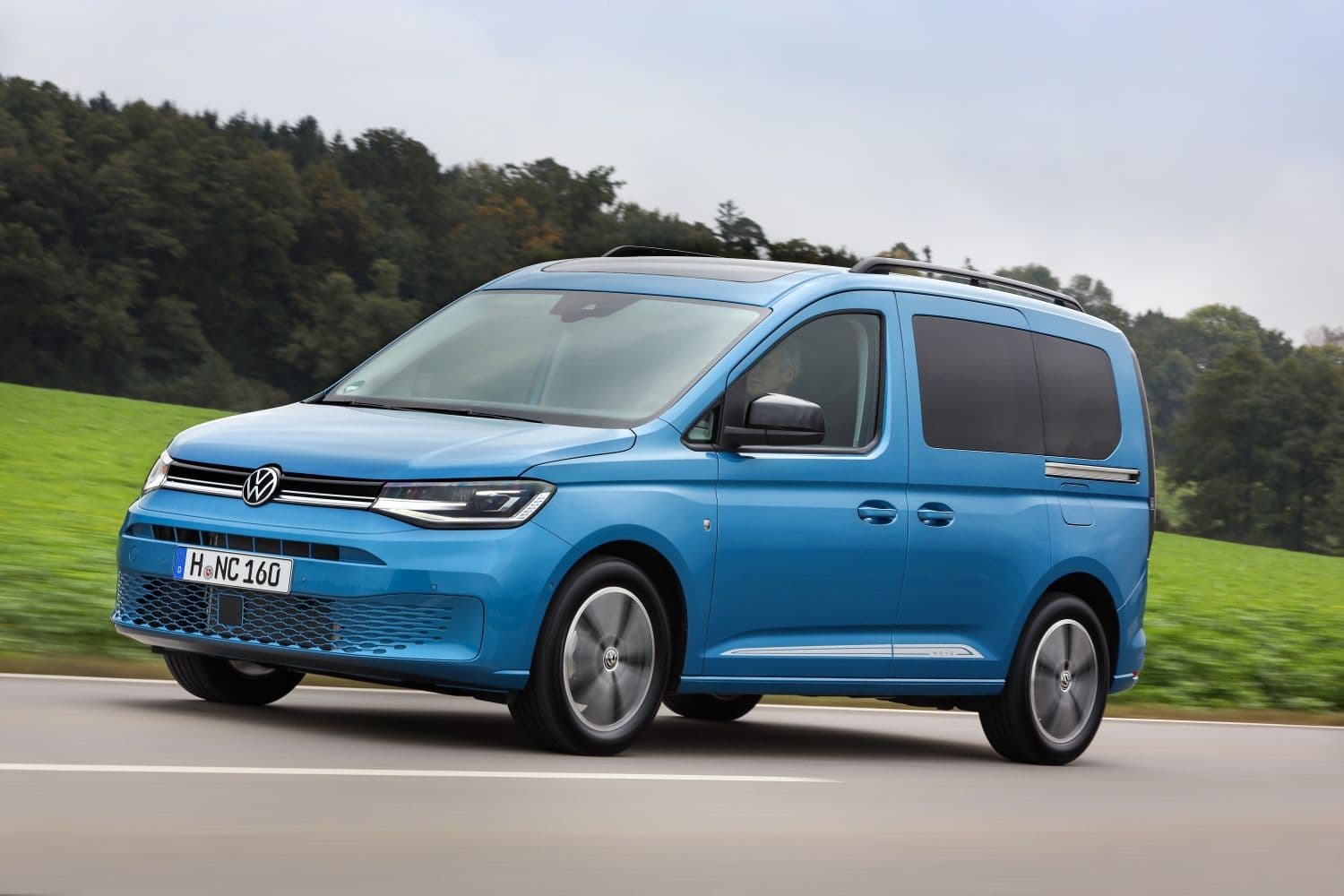
Explore detailed information about . Click on any item below to learn more.
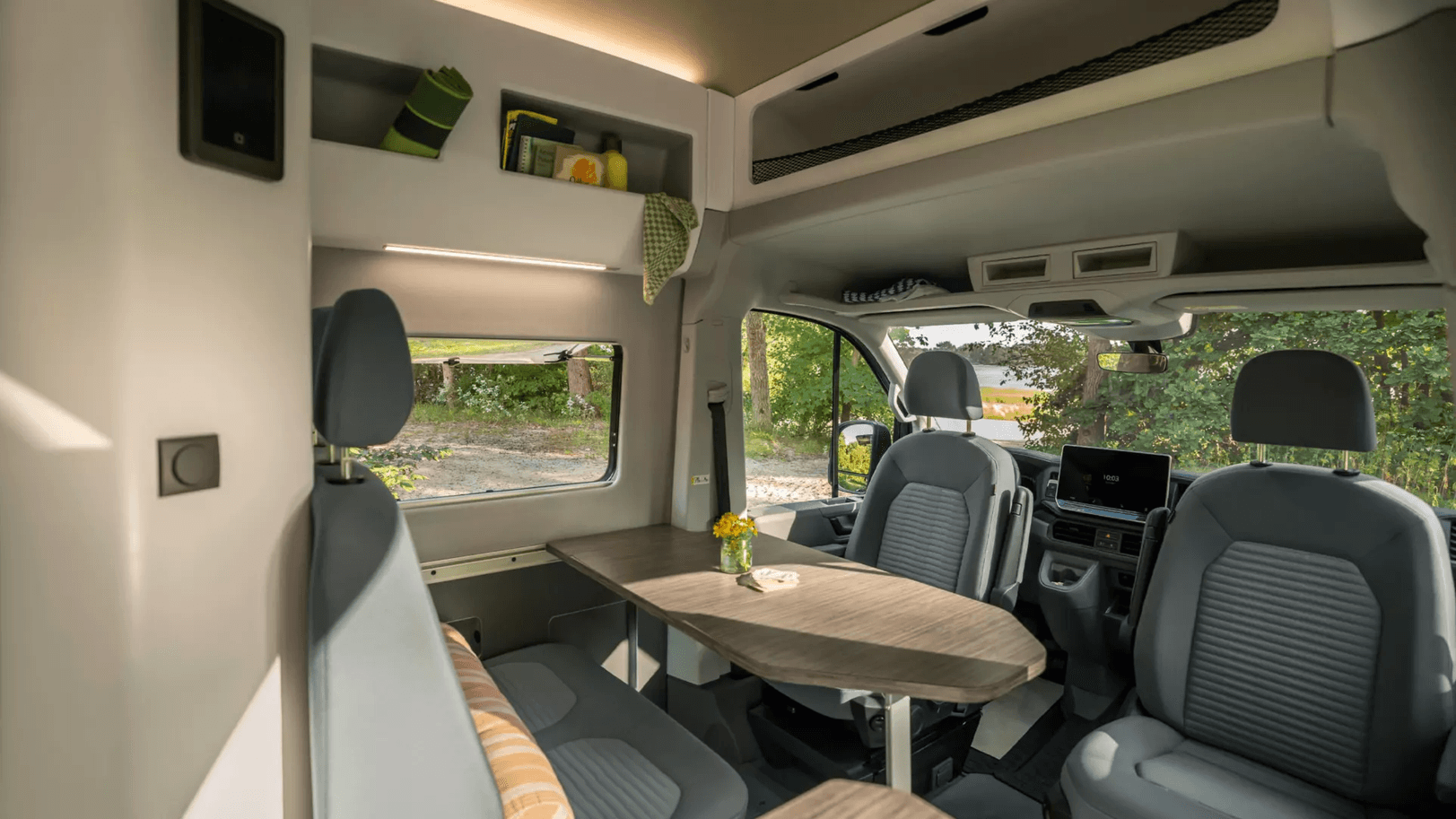
Match seat height and cabin space to real mobility needs
Click to explore details
Verified data matters just as much as clever filtering. A listing that says "low mileage, one owner" is only useful if it's true. Bobi cross-checks vehicle data so the specs you're filtering by, ride height, boot dimensions, seat configuration, reflect the actual car rather than a hopeful description. That's a small thing on a normal car search. It's a much bigger deal when you can't easily travel two hours to discover the boot doesn't take a folded wheelchair after all.
It also helps when you're weighing up a used adapted vehicle against a newer standard car you'd adapt yourself. Both routes are valid, and the right one depends on budget, timescale, and how bespoke your requirements are. If you want a broader sense of the platform's approach, this piece on top reasons to choose BobiCar for accessible vehicle shopping covers the wider feature set in more depth.

Explore detailed information about . Click on any item below to learn more.
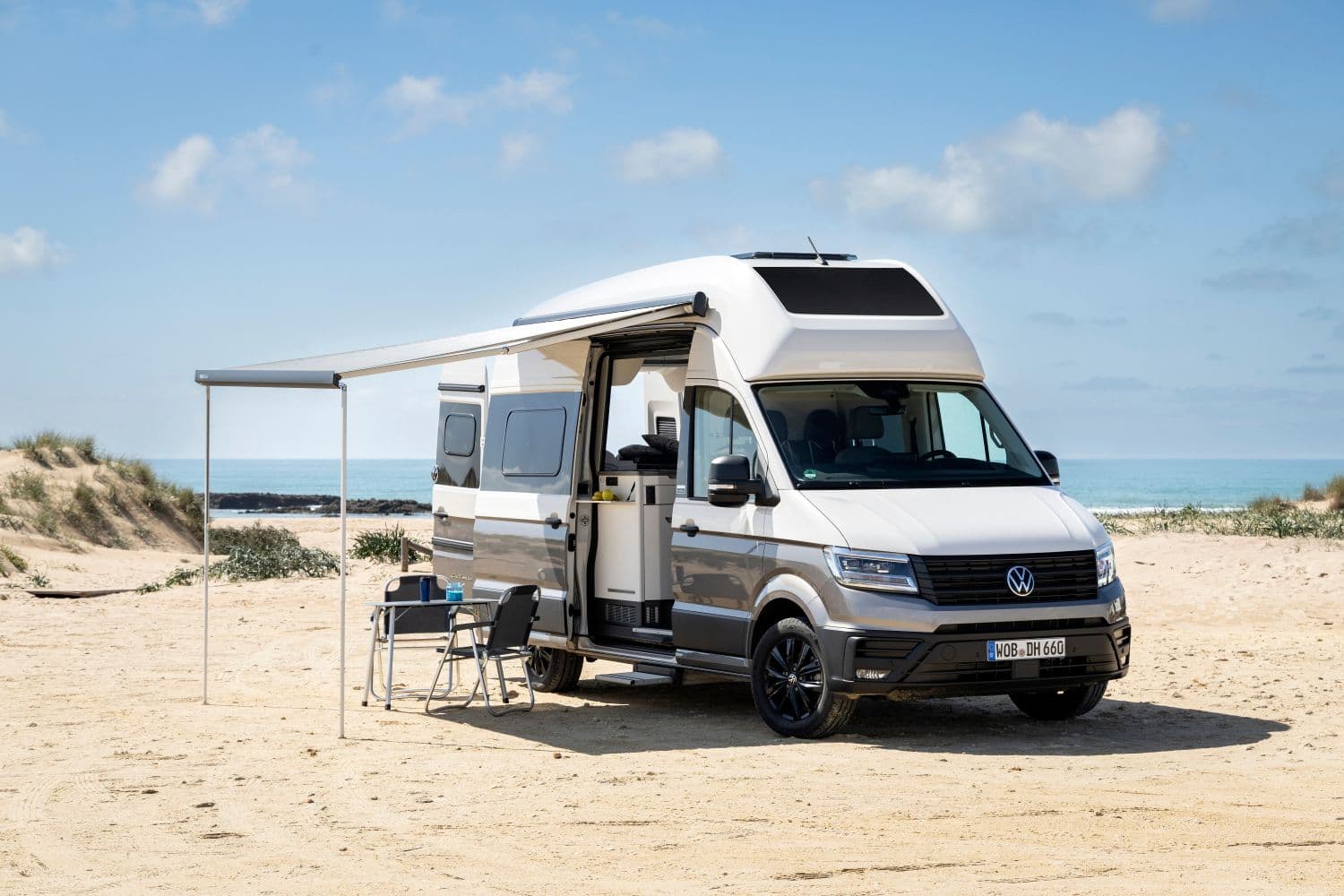
Shop remotely, at your own pace, without pressure
Click to explore details
It's also worth thinking about who else is involved in the buying decision. Many purchases here aren't solo decisions, a carer, family member, or occupational therapist might weigh in on suitability. A remote, browsable process makes it far easier to share a shortlist and gather opinions before committing, rather than trying to coordinate everyone's schedules around a single dealership visit. If you're weighing up several shortlisted cars against each other, top reasons to choose BobiCar for personalized vehicle comparisons explains how that side-by-side process works in more detail.

Explore detailed information about . Click on any item below to learn more.
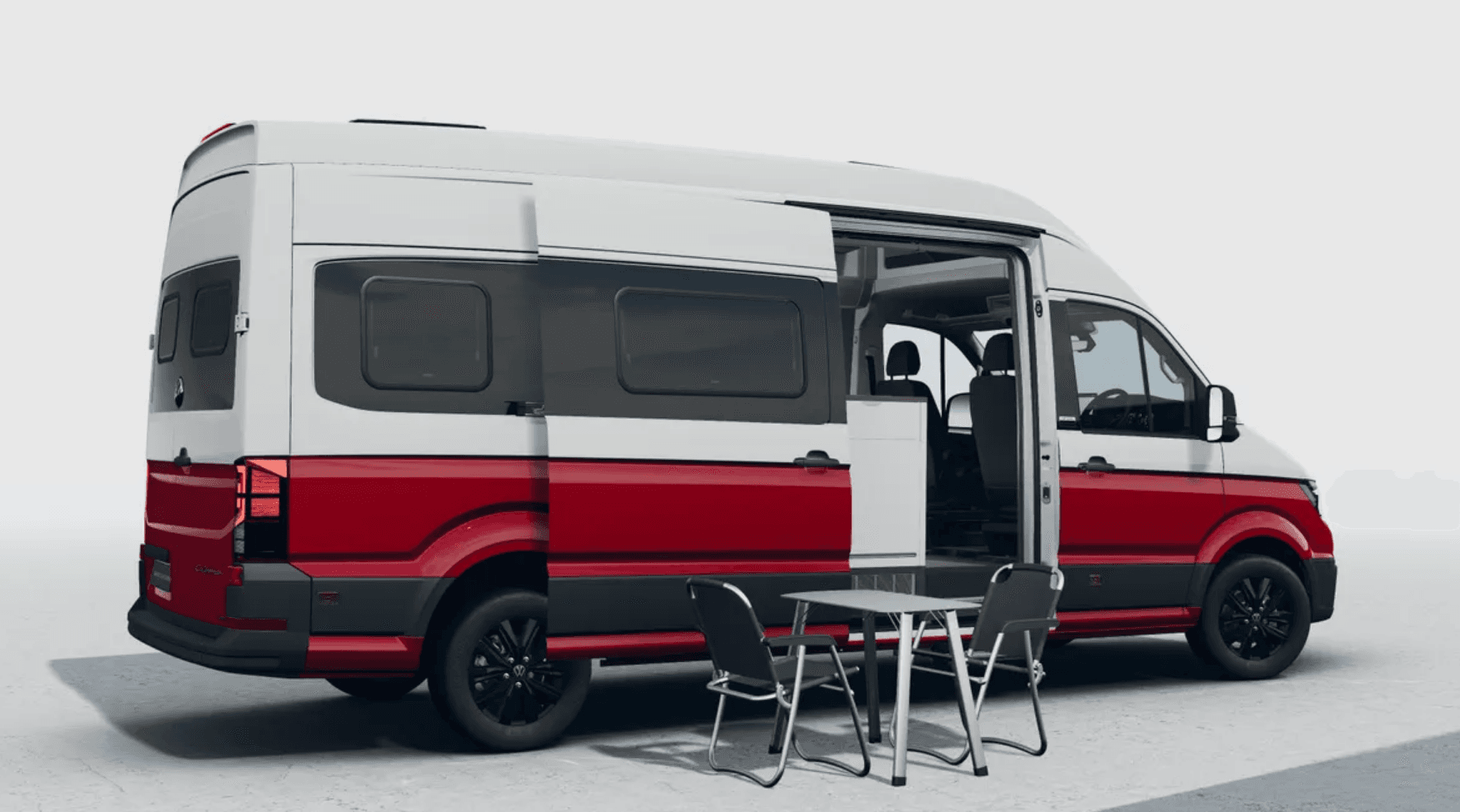
Compare adapted and standard vehicles side by side transparently
Click to explore details
None of this means Bobi is the only sensible route. If you're eligible for the Motability Scheme and want a straightforward lease with servicing and insurance bundled in, that dedicated route remains a strong option for many disabled drivers. And if you're new to car buying altogether and want a broader grounding before you specialise your search, it's worth reading what's the best car buying platform for first-time buyers? alongside this piece.
The right platform depends on where you're starting from, your eligibility, and how much you value searching outright ownership options against a leased scheme. What matters most is that whichever route you choose, accessibility should be treated as a core requirement from the first search, not a question you only ask once you've already found a car you like.
Pros
- Accessibility specs are searchable filters, not just description text you have to hunt for
- Verified vehicle data reduces wasted, physically demanding trips to view unsuitable cars
- Transparent pricing on adaptations helps you judge fair value rather than accepting a bundled figure
- Remote-friendly process suits buyers and carers with limited time, energy, or mobility
Cons
- Best suited to buyers comfortable researching and filtering online first, rather than walking a forecourt
- Not a replacement for the Motability Scheme if you're eligible and want a bundled lease with servicing and insurance included
- Highly bespoke conversions may still need a specialist inspection before you commit, whichever platform you use
Frequently Asked Questions
If accessibility isn't your only consideration, it helps to see how Bobi's matching applies more broadly. Our guide on what's the best car buying platform for first-time buyers covers many of the same verification and no-pressure principles that matter here, while the full comparison of the best car buying platform in the UK shows how Bobi stacks up against the rest of the market for buyers with any kind of specific need.
If the whole car buying process has started to feel like more hassle than the car itself, you're not alone. We've written more on what's the best platform to stop car buying overwhelm, with the same principle at its core: fewer wasted trips, clearer information up front, and a search that adapts to you rather than the other way round. When you're ready to see what's actually available, browse Bobi's listings filtered to your accessibility needs.