Best self-charging hybrid SUVs in the UK for 2026
The self-charging hybrid SUV has become the default choice for UK drivers who want lower fuel bills without the hassle of plugging in. Toyota, Honda, Kia and Hyundai all build hybrid SUVs that top up their own batteries purely through braking and engine assistance. The best examples return 45-55mpg in real-world driving, with no plug required.
If you're weighing up a self-charging hybrid SUV against a full electric alternative, it helps to understand how to choose an electric SUV before you commit either way. This guide covers our picks for the best hybrid SUV 2026 buyers should shortlist, ranking the six strongest options on sale and used right now. We've judged each car on running costs, reliability, and how it actually drives, not just headline mpg figures.
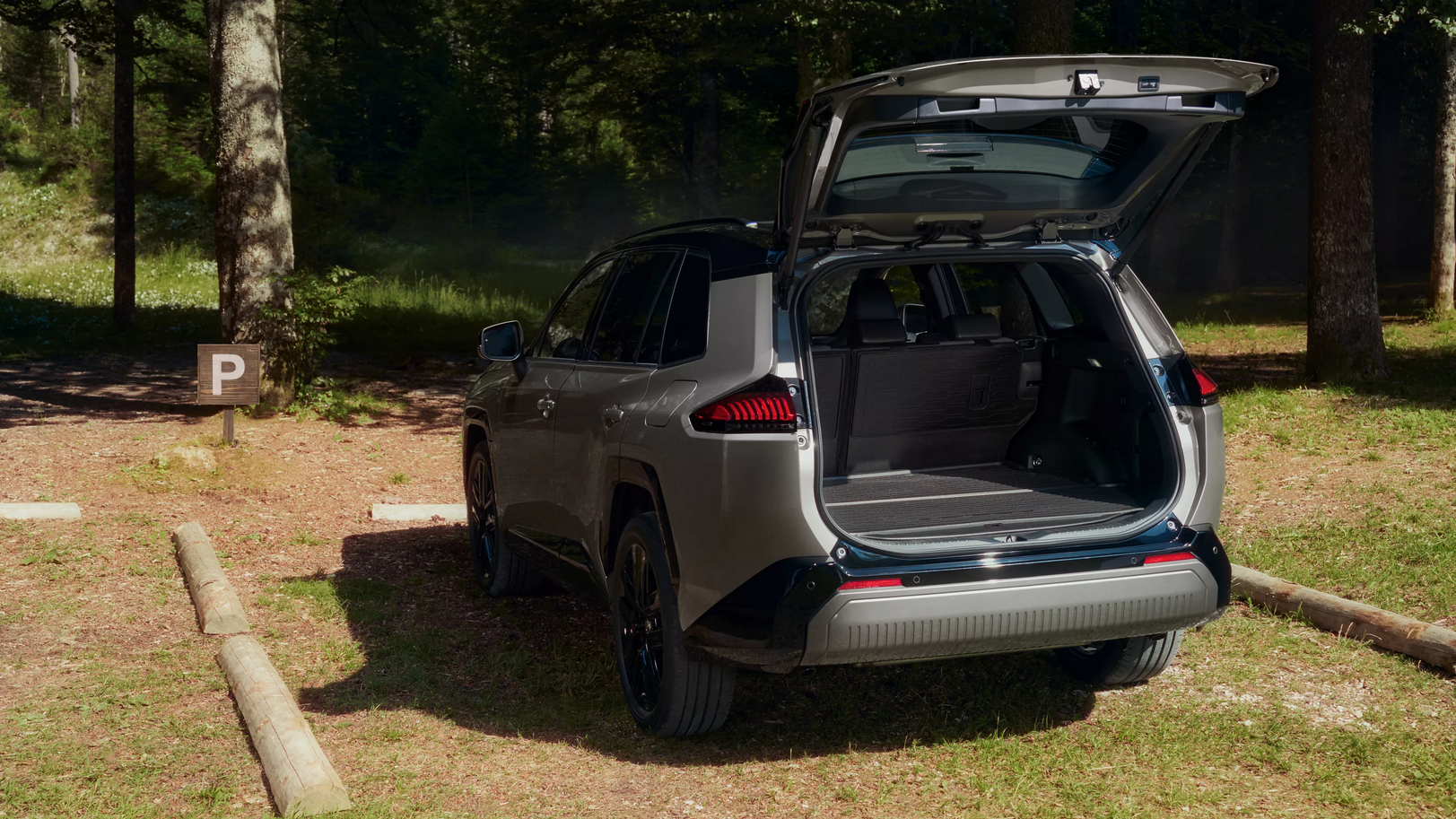
Toyota RAV4: the best self-charging hybrid SUV overall
The Toyota RAV4 has led this class for the best part of a decade, and the current model still sets the benchmark. Toyota's fifth-generation hybrid system delivers a claimed 51mpg combined. Most owners see high 40s in mixed driving, which beats the Honda CR-V and Kia Sportage Hybrid by a useful margin.
The 2.5-litre petrol engine and electric motor combination feels punchier than the numbers suggest, with 218bhp in front-wheel-drive form. You can check the full specification on Toyota's official RAV4 pages, including trim levels and options. Servicing costs stay reasonable too, and Toyota's dealer network is one of the largest in the UK, so parts and expertise are rarely far away.

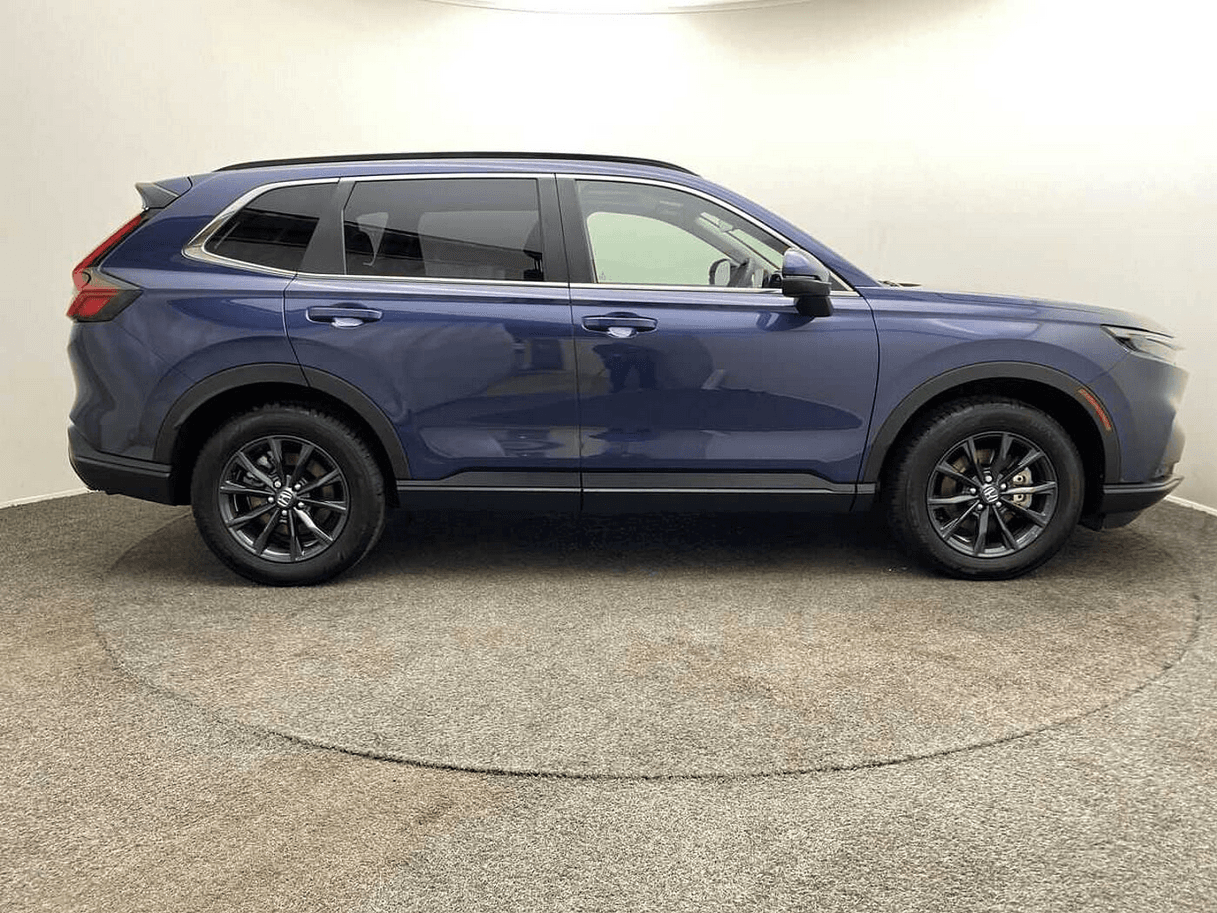
Honda CR-V: the most refined hybrid SUV in this class
Honda's e:HEV system works differently to Toyota's. The petrol engine mostly acts as a generator. The electric motor does the driving at most speeds, only engaging a direct mechanical link at motorway cruising speeds.
The result is a car that feels smoother and quieter than the RAV4 in town, with none of the droning CVT sensation that plagued older hybrids. Combined economy sits around 40-44mpg, a little behind Toyota, but the trade-off is a genuinely relaxing driving experience and a generous boot that suits family life. If you're choosing between hybrid SUVs for regular dog transport, our guide to the best dog-friendly SUVs is worth a read before you decide, since boot access and load height vary more than you'd expect.
Kia Sportage Hybrid: the best value hybrid SUV UK buyers can find
The Kia Sportage Hybrid undercuts the RAV4 and CR-V on price while offering a genuinely competitive package. Kia's 1.6-litre turbo petrol hybrid produces 226bhp, giving it the strongest performance figures on this list. It covers 0-62mph in around 7.9 seconds, noticeably quicker than most rivals here.
Combined economy of roughly 42-45mpg is respectable rather than class-leading. Kia backs the car with a seven-year, 100,000-mile warranty, the longest in this segment, and that reassurance matters when you're comparing running costs over several years. Road tax banding depends on CO2 emissions and list price, so it's worth checking the current vehicle tax rate tables before you buy. If you're cross-shopping mid-size SUVs more broadly, our Mazda CX-60 vs Kia Sorento comparison covers how the Sportage's larger siblings stack up against rivals.

Hyundai Tucson Hybrid: the most striking design in the class
Hyundai's Tucson shares much of its underpinnings and hybrid hardware with the Kia Sportage, including the same 1.6-litre turbo hybrid producing 226bhp, but wraps it in genuinely distinctive styling that still looks fresh years after launch. Economy is near-identical to the Sportage at around 42-44mpg combined, and the driving experience is close too, though the Tucson's suspension tune leans slightly softer, making it the more comfortable choice for family duty over long motorway runs.
Interior space is generous, with 620 litres of boot capacity beating every other car on this list, and rear passenger room that comfortably suits three adults on shorter journeys. Hyundai's five-year unlimited-mileage warranty is a genuine selling point if you cover big annual mileages, since Kia and Toyota's cover typically caps out at 100,000 miles. Used prices start around £22,500 for an early Premium-trim car, rising to £34,000 for a nearly new Ultimate.
Pros: biggest boot in the class, distinctive styling, unlimited-mileage warranty. Cons: infotainment menus can feel busy, firm brake pedal feel takes some acclimatising.

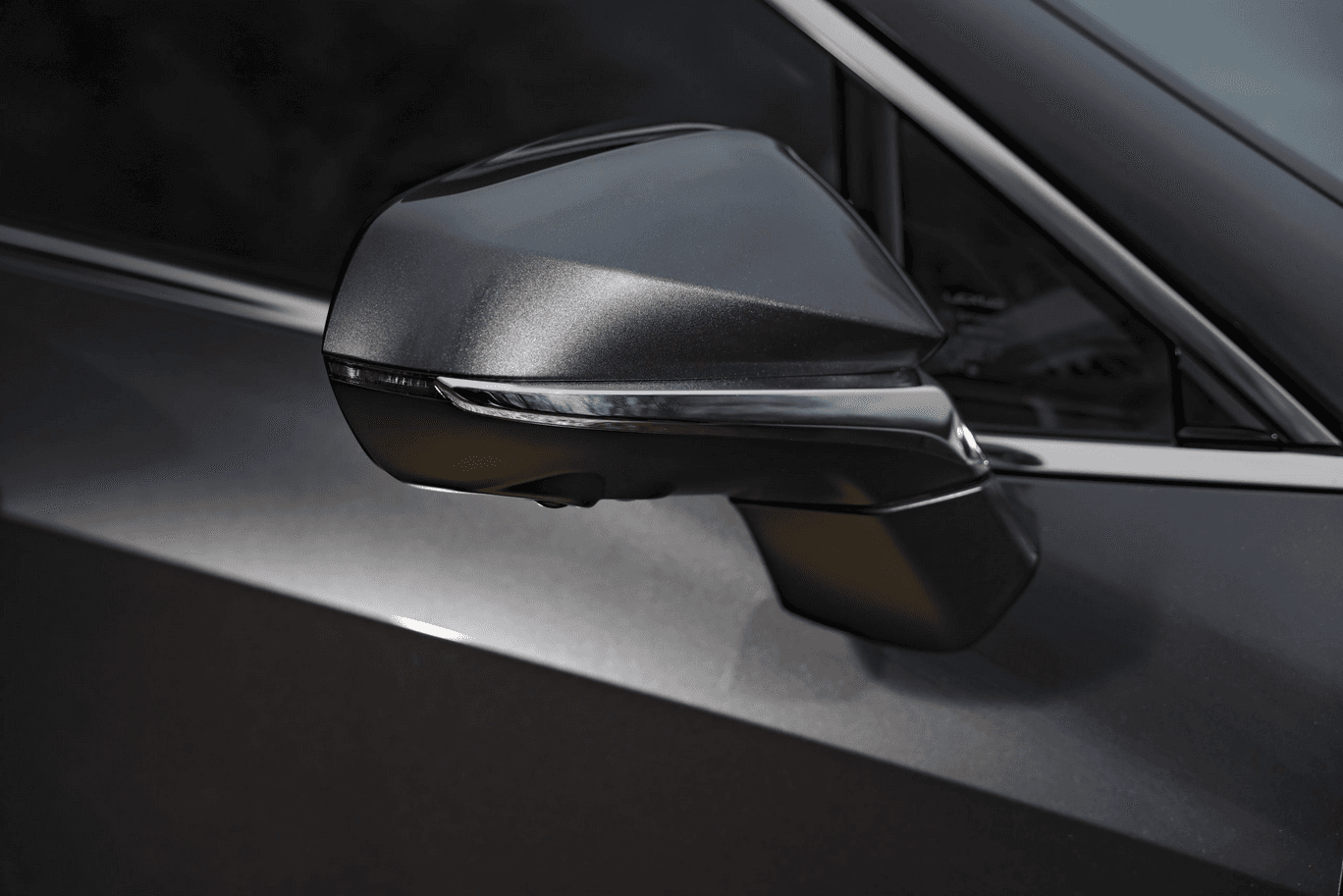
Lexus NX: the premium self-charging hybrid SUV
If you want the badge and cabin quality to match the hybrid efficiency, the Lexus NX 350h is the pick of this list. Built on the same platform as the Toyota RAV4 and sharing much of its hybrid hardware, the NX 350h returns similar real-world economy in the high 30s to mid-40s mpg depending on trim and wheel size, slightly behind the RAV4 due to extra weight and equipment. What you get in return is a genuinely upmarket interior, with proper leather, more sound deadening, and Lexus's renowned dealer service reputation, which consistently tops customer satisfaction surveys.
The NX 450h+ plug-in variant sits above this list since it needs charging, but the standard 350h hybrid is the self-charging option and it drives with the same unhurried, refined character Lexus is known for. It's not the last word in outright pace, and the CVT-style transmission can still let the engine flare under hard acceleration, but around town and on the motorway it's serene. Used NX 350h prices start from around £30,000 for an early F Sport with higher mileage, reaching £45,000-plus for a nearly new Takumi.
Pros: premium interior and badge appeal, excellent dealer reputation, refined ride. Cons: noticeable premium over mainstream rivals, engine can flare under hard acceleration.
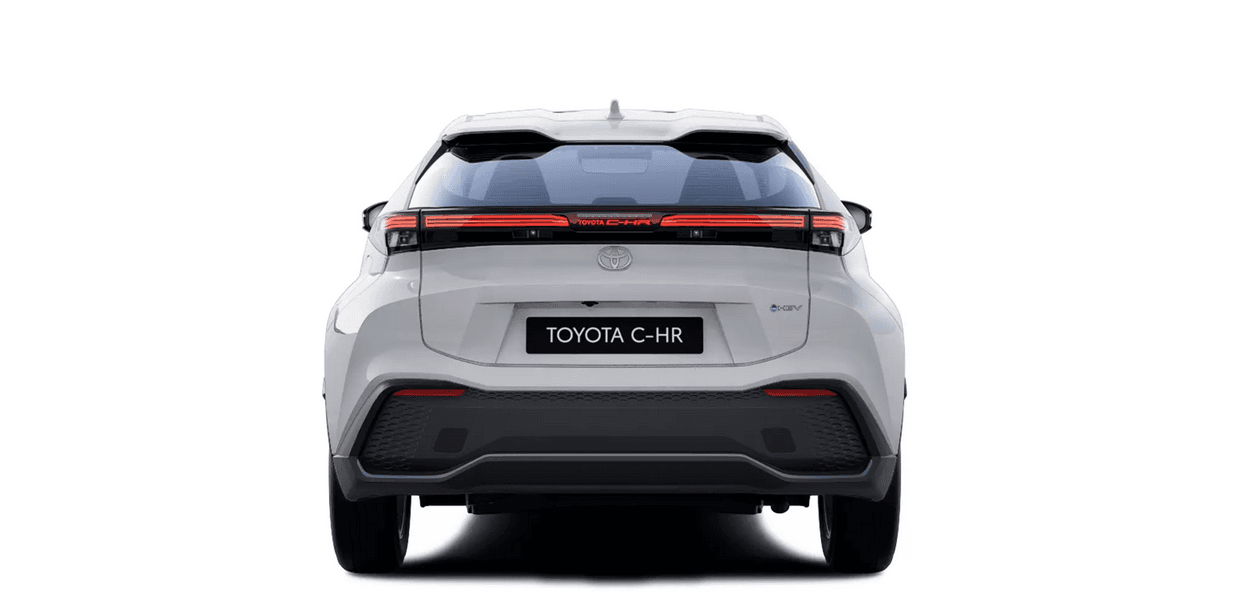
Toyota C-HR: the most stylish compact hybrid SUV
The Toyota C-HR is smaller than the rest of this list, sitting closer to a crossover than a full-size SUV, but its striking coupe-like design and sharp handling earn it a place here for buyers who don't need maximum practicality. The current generation offers two self-charging hybrid options: a 140bhp 1.8-litre setup focused on economy, and a punchier 197bhp 2.0-litre for those who want more response. The smaller engine returns the best fuel economy in this entire list, with owners regularly reporting over 55mpg on a gentle motorway run.
The trade-off for that swoopy roofline is rear headroom and visibility, both of which are noticeably tighter than in the RAV4 or Tucson, and the boot at 388 litres is the smallest here by some margin. It's not the car for a growing family, but as a stylish, efficient hybrid SUV UK commuters can enjoy daily, it's hard to beat. Used prices start from around £22,000 for an early Icon-trim car, rising to £32,000 for a nearly new GR Sport.
Pros: excellent fuel economy, distinctive styling, sharp handling for the class. Cons: tight rear headroom, smallest boot on this list, limited rear visibility.
How to choose the right hybrid SUV for you
There's no single best hybrid SUV 2026 buyers should default to. The Toyota RAV4 wins on fuel economy and reliability data, the Honda CR-V wins on refinement, the Kia Sportage Hybrid wins on value and warranty length, the Hyundai Tucson wins on space and design, the Lexus NX wins on luxury, and the Toyota C-HR wins on style and efficiency for smaller households. Match the car to your priorities rather than chasing a single number.
Whichever you choose, get a full history check and an independent inspection before handing over money, particularly on used examples with over 60,000 miles where hybrid battery health becomes more relevant. You can check a vehicle's MOT and mileage history for free via gov.uk's MOT history service, and it's sensible practice on any used hybrid purchase. For more on running costs across this class, see our guide to hybrid SUV running costs explained, and if you're cross-shopping against diesel alternatives, our diesel vs hybrid SUV comparison breaks down the real-world numbers.
Best self-charging hybrid SUVs at a glance

Toyota RAV4
Honda CR-V
Kia Sportage Hybrid
Hyundai Tucson Hybrid
Lexus NX 350h