Best hatchbacks to buy in 2026
Choosing the best hatchbacks for 2026 means weighing practicality, running costs, and genuine driving enjoyment against each other. If you're searching for the best hatchbacks UK dealers currently offer, the market remains fiercely contested, from long-standing rivals like the Volkswagen Golf and Ford Focus to newer contenders reshaping what a good family hatchback should offer.
We've assessed all seven cars on this list against typical UK asking prices, known reliability patterns, and real-world running costs rather than brochure promises. Road tax varies between these models depending on their CO2 emissions and registration date, so check the current road tax rate bands before you commit to a specific car. Whether you want a keen driver's hatchback, a hybrid with low running costs, or something that simply does everything well, one of these seven should suit you by the end of this guide.
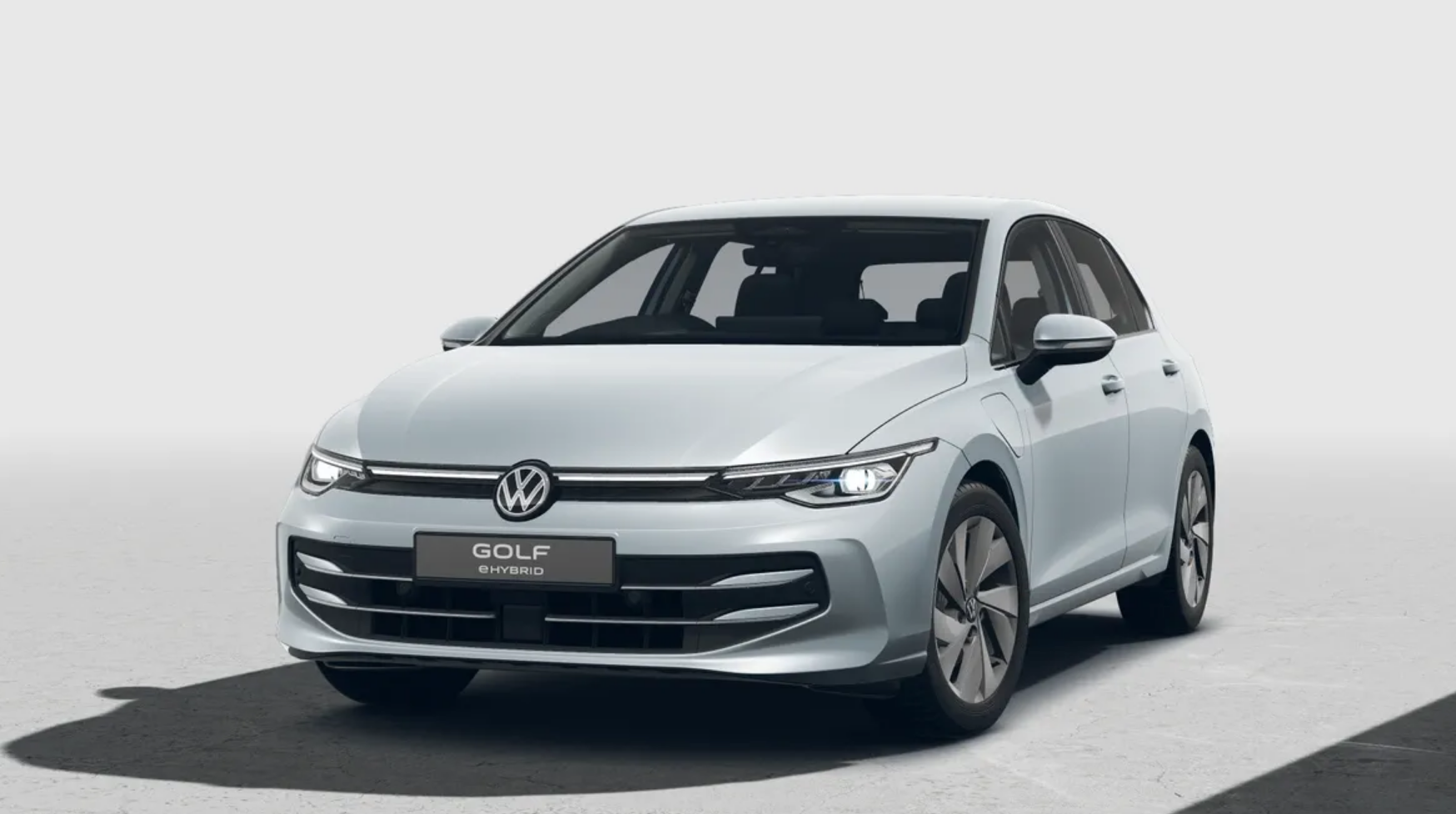
1. Volkswagen Golf: top of our best hatchbacks list
The Volkswagen Golf remains the default choice for good reason. Prices for a used Mk8 Golf start from around £14,000 for early petrol models with higher mileage, rising to £26,000-plus for nearly new 1.5 TSI examples with the eHybrid mild-hybrid system. You can check current specifications and trim options on the official Volkswagen Golf model page if you want to compare against a new model.
What sets the Golf apart is how unremarkable it feels to drive well. The ride is settled, the cabin is quiet at motorway speeds, and the 1.5-litre TSI petrol returns a genuine 45-50mpg in mixed driving. The DSG automatic gearbox is smooth and predictable, which makes the Golf worth considering alongside our guide to the best automatic hatchbacks for new drivers. Build quality inside feels a class above most rivals, even on higher-mileage used examples.
2. Ford Focus: the driver's choice
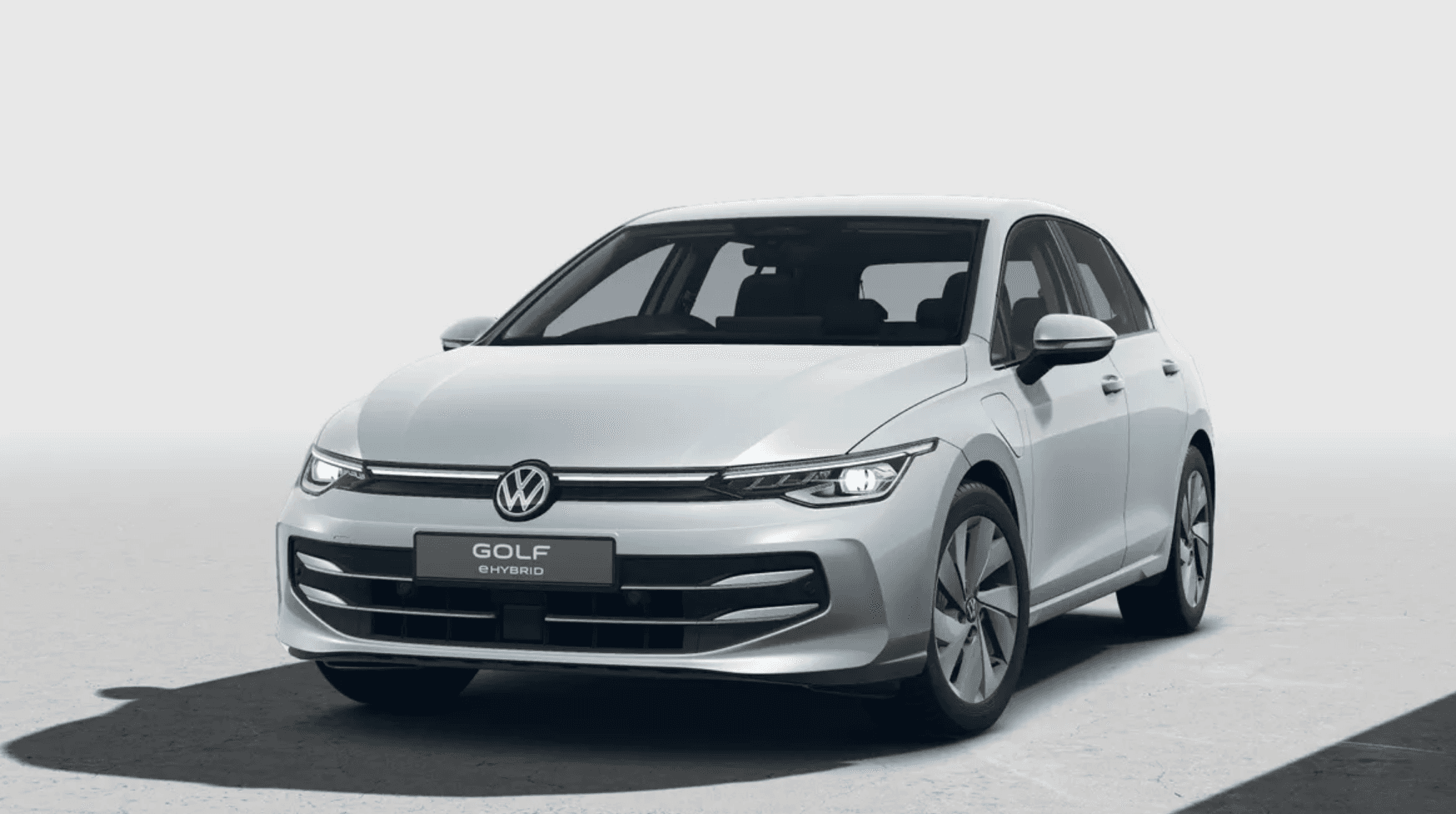
The Ford Focus has long held a reputation as the best-handling car in this class, and the current generation doesn't disappoint. Used prices range from £11,000 for higher-mileage 2019-2020 cars to around £24,000 for a nearly new ST-Line X Edition.
What you notice first is the steering. It's precise and nicely weighted in a way few rivals match, and the chassis stays composed through corners without punishing you on rougher B-roads. The 1.0-litre EcoBoost petrol, in either 125PS or 155PS mild-hybrid form, suits most buyers and returns around 47-52mpg.
Interior quality trails the Golf and Civic slightly, with harder plastics lower down the cabin, but the Focus makes up for it with genuinely useful boot space (375 litres) and one of the better infotainment systems in the segment, built around Ford's SYNC 4 system.
Pros: excellent handling, spacious boot, competitive pricing Cons: interior plastics feel a step behind rivals, resale values softer than Golf
Ford has confirmed the Focus nameplate will end production in 2025, which may affect long-term parts availability and resale value, so factor that into your decision if you plan to keep the car for many years.
3. Toyota Corolla: one of the best hatchbacks for reliability and hybrid efficiency
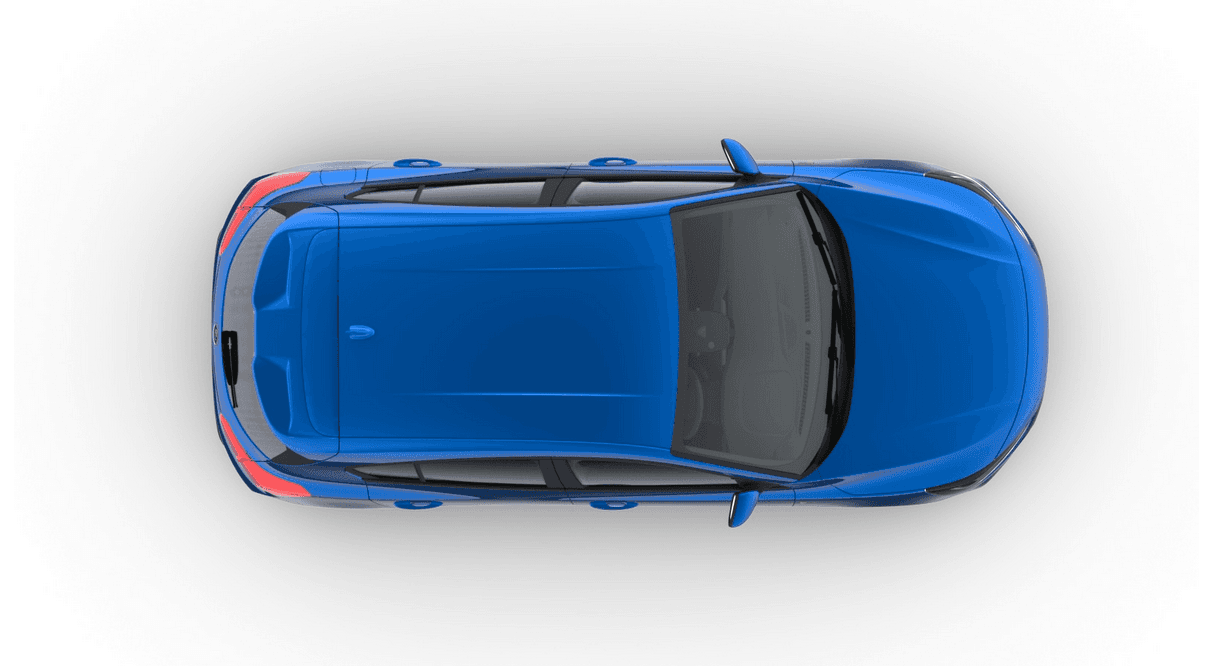
The Toyota Corolla hatchback has quietly become one of the smartest used buys in this class. Prices start from around £16,000 for early hybrid examples and reach £27,000 for a nearly new GR Sport.
Every Corolla in the UK range comes as a self-charging hybrid, and it's the standout reason to buy one. Official combined economy sits at 55-60mpg depending on trim and wheel size, and real-world figures in town driving regularly beat that thanks to the hybrid system's electric-only running at low speeds. If low running costs matter more to you than outright driving thrills, our roundup of the best used hybrid hatchbacks for low running costs digs deeper into how these hybrid systems compare. Toyota's reliability record also remains among the strongest in the class, backed by a long history of dependable powertrains.
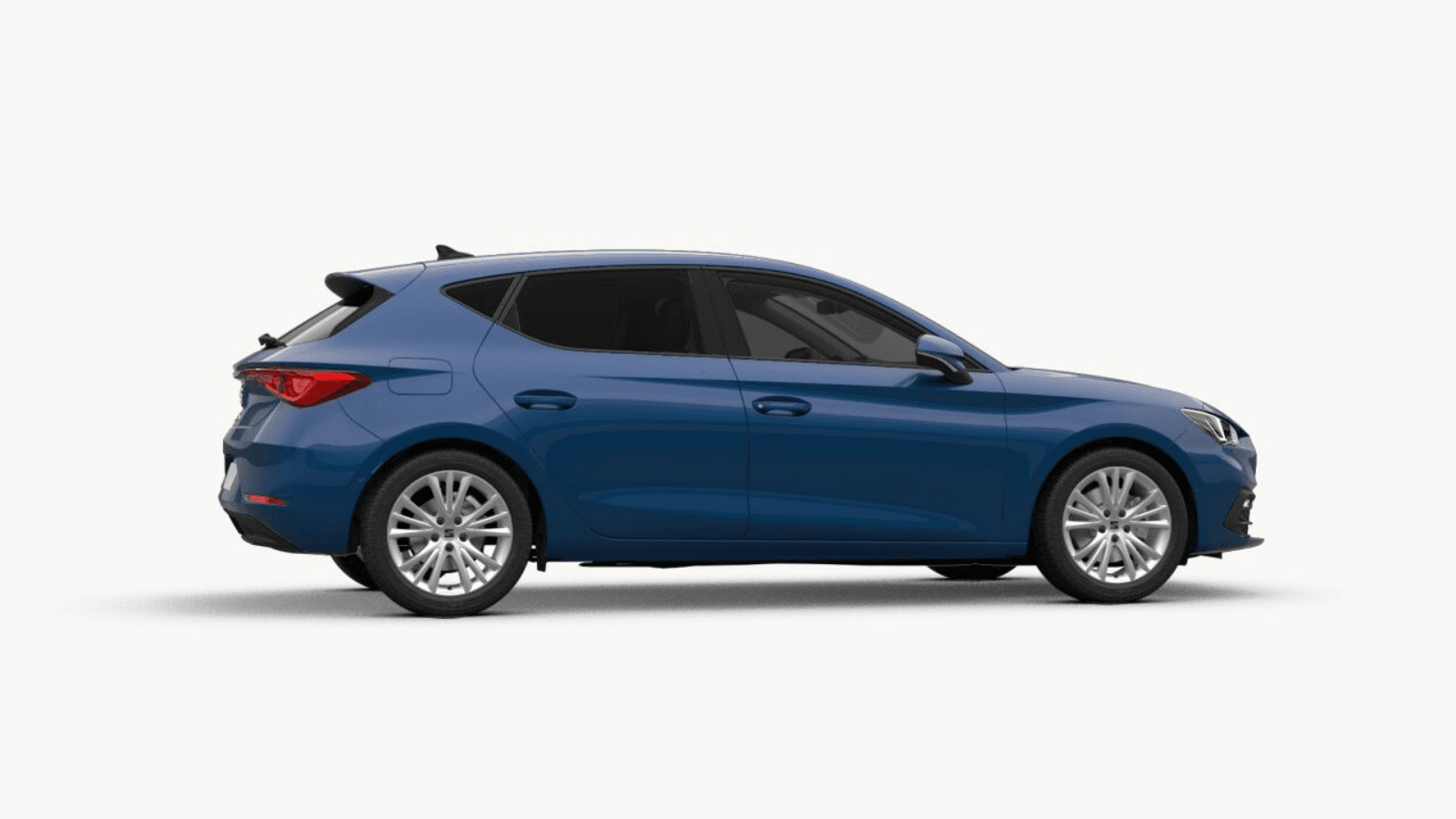
4. SEAT Leon: sharp looks with Volkswagen Group substance
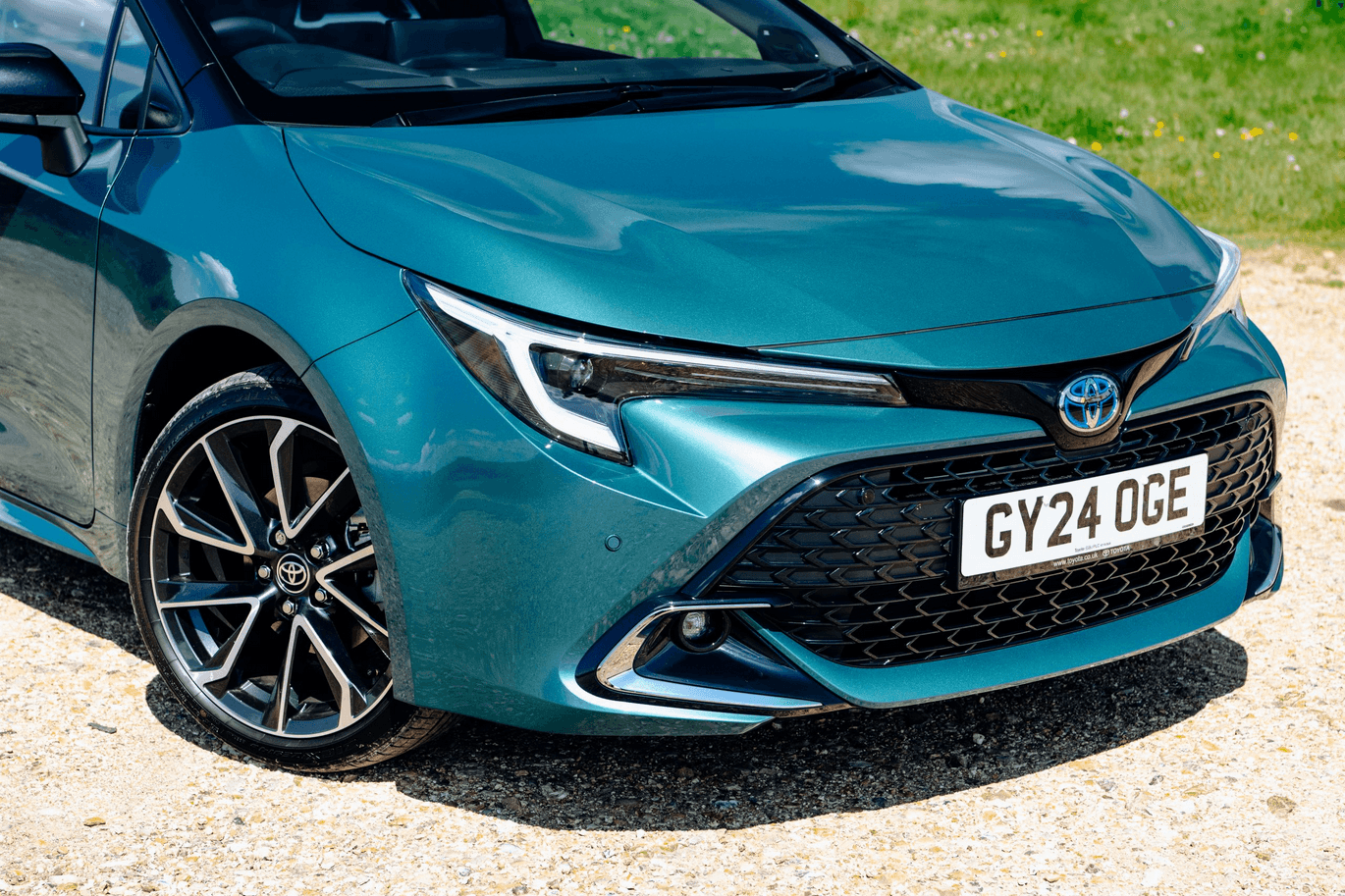
The SEAT Leon shares its platform and much of its mechanical hardware with the Golf, but undercuts it on price. Expect to pay £13,500-£24,000 for a used example depending on age and trim, typically ¡1,000-¡2,000 less than an equivalent Golf.
That shared underpinning means the Leon drives with similar composure and offers the same efficient 1.5 TSI petrol engine, returning comparable 45-49mpg figures. SEAT's FR trim adds a sportier edge with firmer suspension and sharper styling that appeals to buyers who find the Golf a little plain.
Where the Leon loses ground is in outright refinement. Road noise is slightly more noticeable at speed, and the infotainment system, while functional, doesn't feel quite as polished as Volkswagen's latest software. Reliability is broadly comparable to the Golf since so many components are shared, though independent specialists report SEAT dealer servicing costs can vary more by region.
Pros: Golf-level engineering for less money, sharp handling, good value Cons: slightly more road noise, infotainment feels a generation behind
Check our SEAT Leon vs Volkswagen Golf comparison if you're torn between the two.
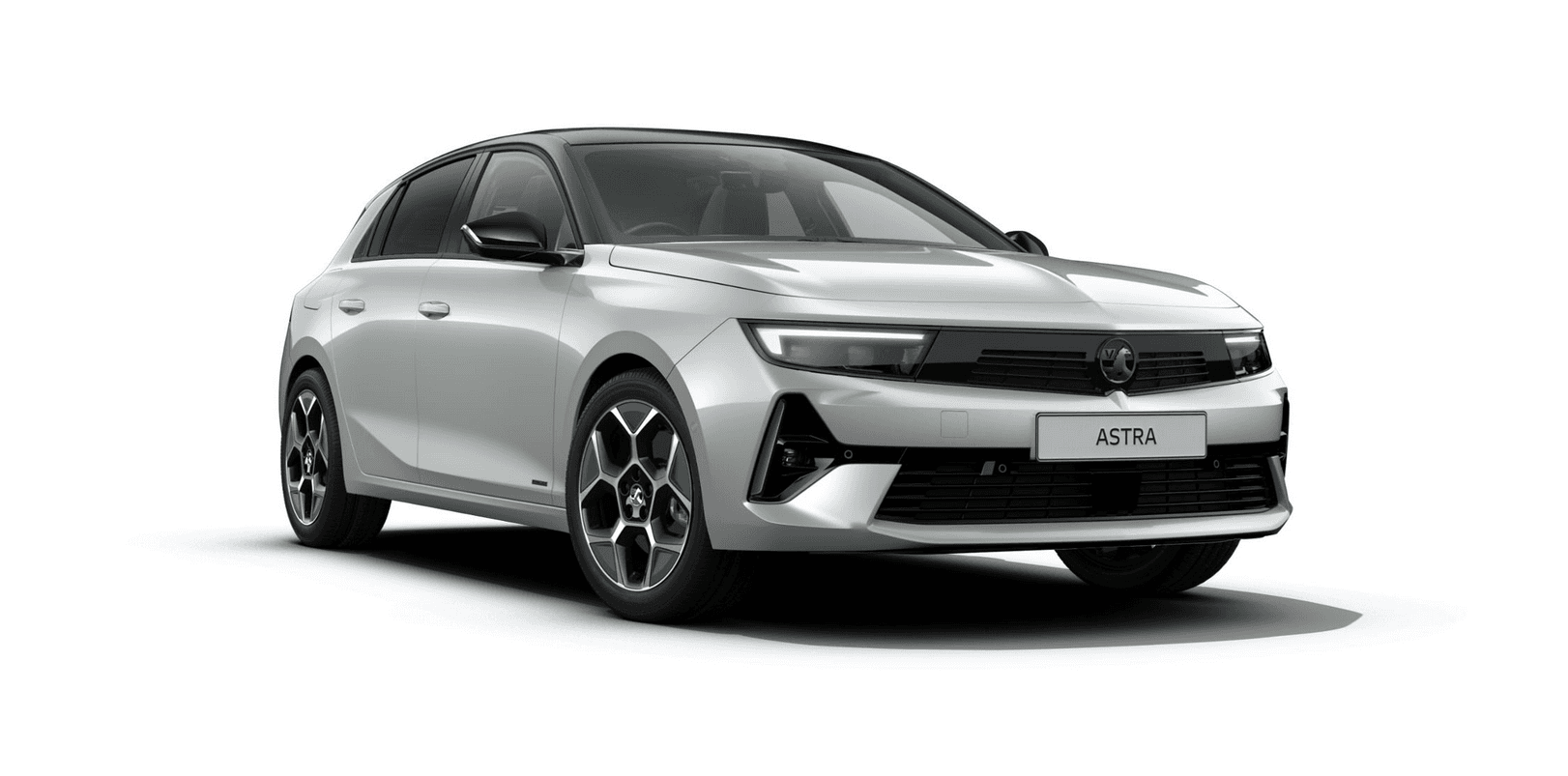
5. Vauxhall Astra: comfortable, well-equipped, and often overlooked
The latest Vauxhall Astra deserves more attention than it gets. Used prices run from £13,000 to £24,000, and the range now includes petrol, hybrid, and full electric versions, giving buyers genuine choice rarely found elsewhere in this list.
The Astra's cabin is a real strength. Vauxhall's Pure Panel dual-screen dashboard looks modern and works intuitively, and material quality throughout feels a notch above what Vauxhall offered a decade ago. The 1.2-litre turbo petrol and 145PS hybrid both perform well, with the hybrid returning around 55-60mpg in gentle driving.
Ride comfort is tuned firmly on the softer side, which suits motorway cruising but means the Astra feels less engaging than the Focus or Leon when the road gets twisty. Reliability data is still building on the newer generation, so warranty cover and a full service history matter more here than with established rivals like the Corolla.
Pros: smart interior, comfortable ride, wide engine choice including EV Cons: less involving to drive, reliability track record still developing
Our petrol vs hybrid vs electric guide explains which Astra powertrain suits different driving patterns.
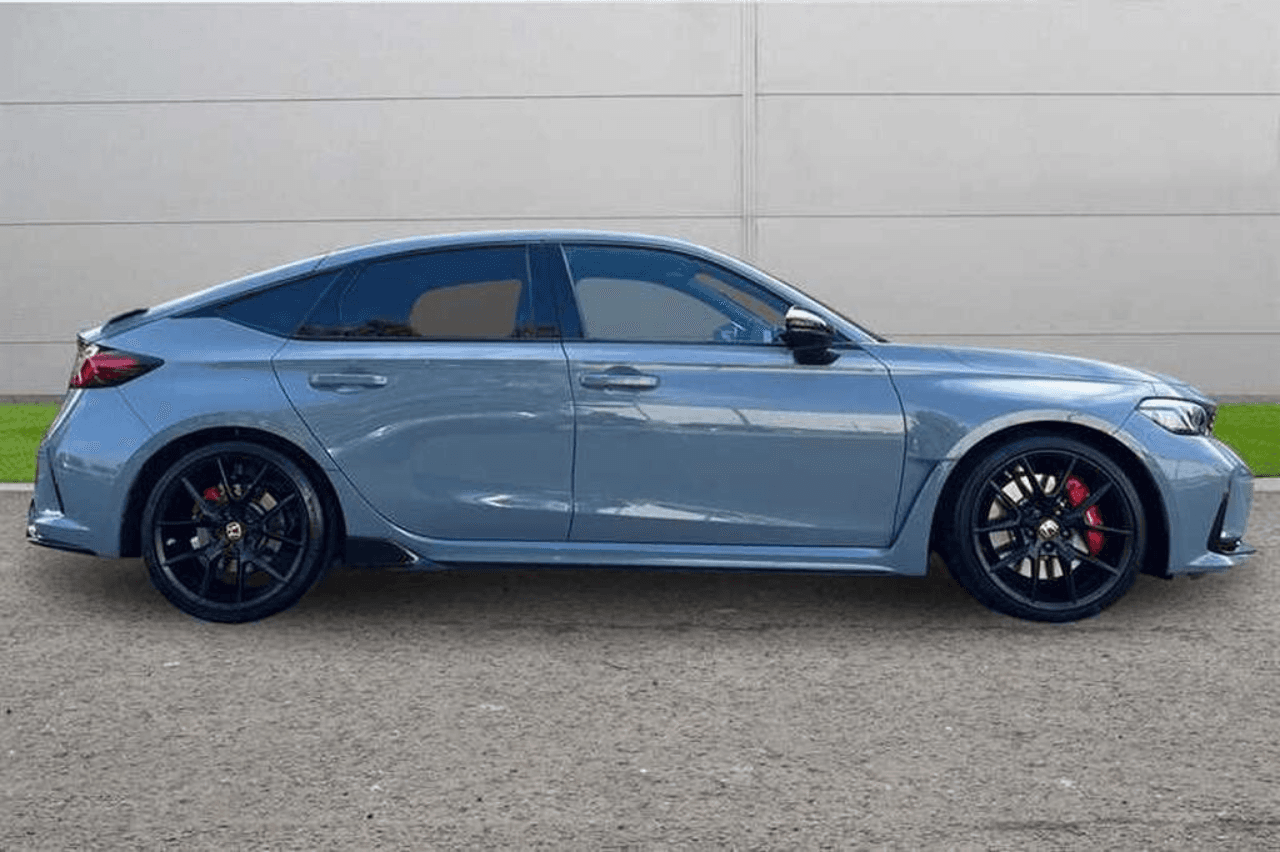
6. Honda Civic: understated quality with a hot hatch flagship
The standard Honda Civic sits toward the pricier end of this list, with used values from £18,000 to £24,000 for the e:HEV hybrid, but the range also includes the Civic Type R, one of the finest hot hatches money can buy at £40,000-plus.
For most buyers, it's the regular hybrid Civic that matters. Honda's e:HEV system pairs a 2.0-litre petrol engine with electric motors in a setup that feels smoother than most rivals' hybrid systems, and returns around 50-55mpg without the driver needing to think about it. Build quality is excellent throughout, and Honda's reliability reputation, built over decades, remains a genuine selling point among used buyers.
The Civic's driving position and rear visibility take some adjustment thanks to its low-slung coupe-like roofline, and boot space at 410 litres is generous but the load lip sits high. It's not the last word in outright practicality, but everything it does, it does with real polish.
Pros: excellent build quality, smooth hybrid system, strong reliability Cons: low seating position affects visibility, premium pricing versus rivals
If outright performance interests you, our Honda Civic Type R review covers the hot hatch flagship in detail.
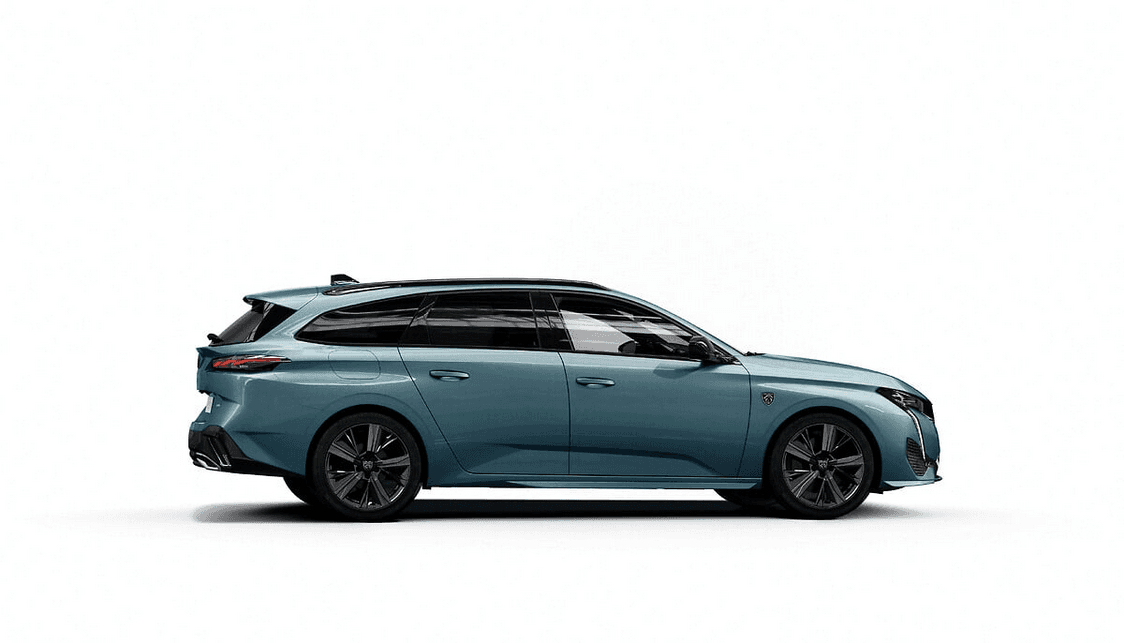
7. Peugeot 308: bold design with a compact cockpit
The Peugeot 308 rounds out our list, with used prices from £13,000 to £23,000 depending on age and whether you choose the efficient PHEV plug-in hybrid version.
Peugeot's i-Cockpit design, with its small steering wheel and elevated dial cluster, divides opinion but many drivers find it genuinely improves visibility of the instruments once they've adjusted to it. Standard petrol models return a respectable 45-48mpg, while the PHEV can achieve 30-40 miles of electric-only range for buyers who mostly do short journeys and can charge at home.
Cabin quality has improved markedly compared to older Peugeot hatchbacks, with soft-touch materials and a genuinely upmarket feel in higher trims like GT. The trade-off is rear space, which is noticeably tighter than the Golf, Focus, or Astra, making the 308 better suited to couples or small families than those regularly carrying three across the back seat.
Pros: distinctive styling, efficient PHEV option, upmarket cabin materials Cons: tight rear leg room, i-Cockpit layout won't suit every driver
For a wider view of the segment, see our family hatchback buying guide covering space and practicality across the class.

Volkswagen Golf
Ford Focus
Toyota Corolla
SEAT Leon
Vauxhall Astra
Honda Civic
Peugeot 308
How we ranked the best hatchbacks for 2026
Our ranking weighs four factors: typical UK asking prices, real-world fuel economy rather than official WLTP-only figures, reliability patterns drawn from owner reports and MOT failure data, and everyday practicality including boot space and rear leg room.
No single car wins on every measure. The Golf remains the safest all-round choice, the Focus rewards keener drivers, and the Corolla is hard to beat if minimising running costs matters most. Match the car to your priorities rather than chasing an overall winner, and you'll end up with the right hatchback for your driveway.
Whichever model you're drawn to, always view multiple examples before committing. Compare specification, service history, and insurance group costs across the shortlist rather than relying on a single test drive. Manufacturer specification tools, such as Volkswagen's official configurator, are useful for confirming exact trim differences before you view a car in person.