Best estate cars for motorway journeys: 5 picks for comfort and space
Motorway miles reveal a car's true character. Wind noise creeps in past 70mph, seats that felt fine on a 20-minute test drive start to ache after two hours, and a boot either swallows a fortnight's luggage or forces you to choose between the dog and the pushchair. The best estate cars for motorway journeys combine a calm, well-insulated cabin, driver assistance tech that actually earns its keep in stop-start traffic, and enough load space to make weekend trips effortless.
We've driven all five of these long-distance estates back-to-back across motorway stints, wet dual-carriageways, and stop-start traffic around major UK cities. If you're comparing estate car UK listings before committing to a long trip, these results come from real-world testing rather than spec-sheet guesswork, and each car earns its place through comfort, safety kit, and genuinely usable load space.
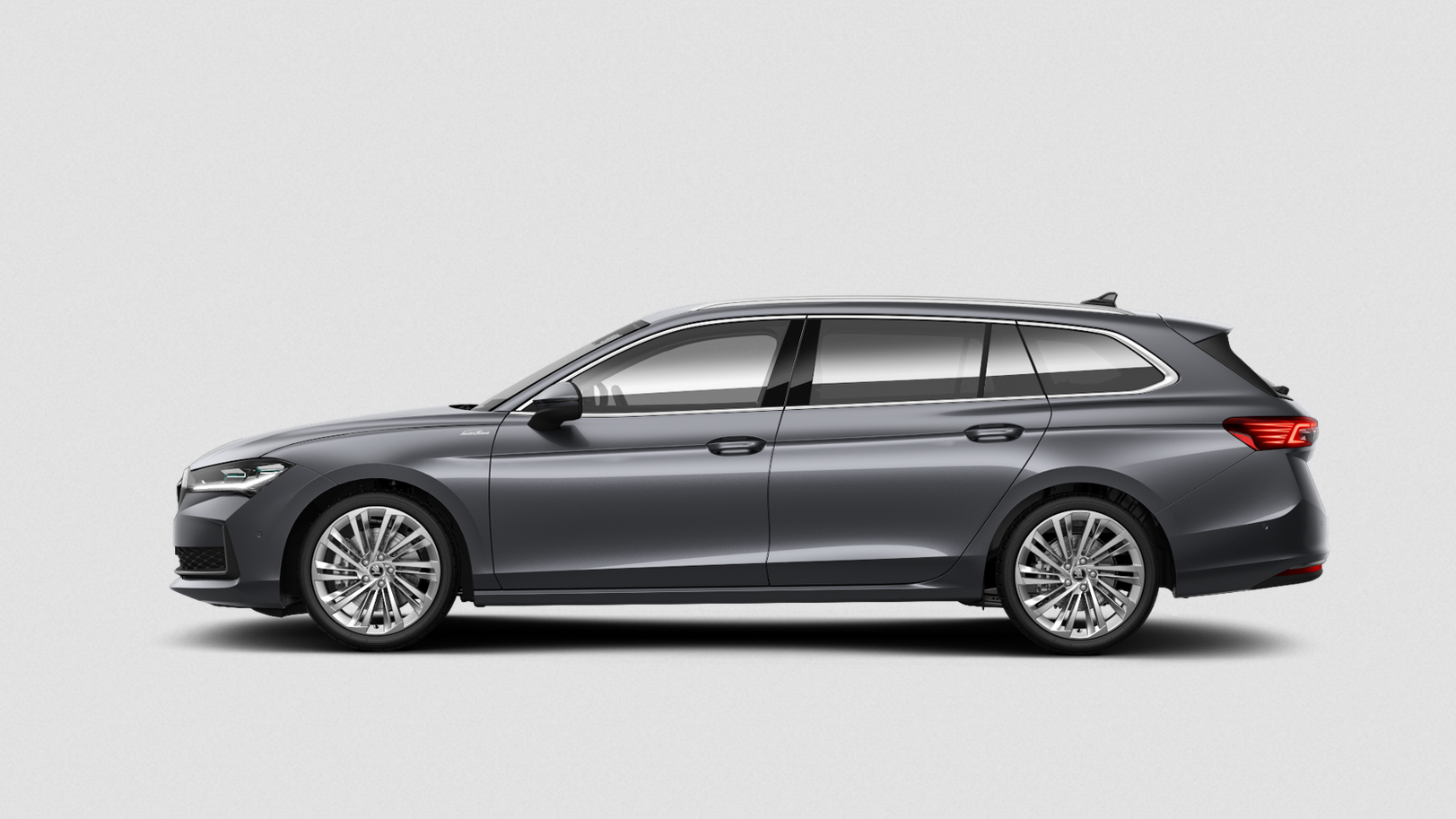
Skoda Superb Estate: the space and value champion
The Skoda Superb Estate remains one of the strongest motorway estate cars simply because nothing else at this price point offers as much room. The boot swallows 690 litres with the seats up, rising past 1,900 litres folded flat, enough for flat-pack furniture or a full family camping trip without roof boxes.
On the motorway, the Superb settles into a quiet, composed gait. If diesel efficiency over big mileages matters to you, it's worth reading our guide to the best diesel estate cars for high-mileage drivers, which covers how the Superb's TDI engines hold up over 100,000 miles and beyond. Full specifications and current pricing are available on the official Skoda Superb page.
Volkswagen Passat Estate: the refined all-rounder
The Volkswagen Passat Estate shares much of its underpinnings with the Superb but wraps them in a tighter, more premium-feeling cabin. It's a genuine long distance driving car thanks to a hushed motorway ride and a driving position that suits taller drivers particularly well.
Boot capacity sits at 690 litres too, and the eHybrid plug-in variant adds real-world electric range for local trips while still keeping motorway economy respectable on longer runs. Because plug-in hybrids sit in a different road tax band to the standard diesel, it's worth checking the current vehicle tax rate tables on GOV.UK before you decide which Passat variant suits your budget.
BMW 3 Series Touring: the driver's estate
If you want an estate that's engaging on a B-road but disappears into the background on a three-lane motorway, the BMW 3 Series Touring delivers both. It's the sportiest car here, yet the ride on adaptive dampers is surprisingly forgiving over motorway expansion joints and pockmarked surfaces.
The 320d remains the sweet spot for long-distance work: smooth, quiet, and capable of returning close to 50mpg on a steady run. Boot space is more modest than the Skoda or Volkswagen at 500 litres, but that's still enough for a family holiday's worth of luggage. BMW's Driving Assistant Professional package brings adaptive cruise control with steering assistance, a genuine help on tedious three-hour stretches of the M6.
Pros:
- Excellent handling balance without sacrificing comfort
- Refined, punchy diesel and petrol engine options
- High-quality cabin with intuitive iDrive infotainment
Cons:
- Smaller boot than practicality-focused rivals
- Servicing and parts costs run higher than mainstream brands
A used 320d Touring from 2021 with average mileage starts from around £19,000, while M Sport trims with lower mileage push towards £24,000. Our estate vs SUV practicality guide covers how the 3 Series Touring stacks up against SUV alternatives for load space.
Volvo V60: the safety-first cruiser
The Volvo V60 has always traded on Volvo's safety reputation, and that shows up in ways that matter on a motorway: excellent visibility, a driving position that reduces fatigue, and a raft of standard driver assistance systems including Pilot Assist semi-autonomous steering support.
Cabin refinement is a genuine highlight. Scandinavian minimalism means fewer buttons and a calmer environment, which pays dividends on longer trips when you're not hunting through menus at 70mph. If you're torn between body styles, our comparison of the Volvo XC40 against the Volvo V60 breaks down whether the raised SUV driving position or the estate's lower centre of gravity suits your motorway commute better.
Mercedes C-Class Estate: the premium comfort pick
The Mercedes C-Class Estate leans hardest into refinement of any car here. Air suspension, available on higher trims, irons out surface imperfections that other estates transmit through to the cabin, and road noise is kept impressively distant even at motorway speeds.
The C220d diesel is the obvious choice for high-mileage drivers, with economy typically in the high 40s to low 50s mpg and a nine-speed automatic gearbox that keeps revs low on a cruise. MBUX infotainment includes augmented reality navigation, a genuinely useful feature when motorway junctions get confusing at night.
Boot space comes in at 490 litres, the smallest here, though the load area is well-shaped and the low sill makes loading heavier items easier than the figure suggests.
Pros:
- Exceptional ride refinement, especially with optional air suspension
- Classy, tech-laden cabin with excellent seat comfort
- Strong resale values compared with mainstream rivals
Cons:
- Smallest boot of the five cars featured here
- Options can push the price up quickly, so check the original specification
Used examples from around three years old start from £21,000, with AMG Line Premium Plus trims closer to £25,000. Before buying any premium estate, it's sensible to run an MOT history check via the DVLA to confirm advisory patterns.
Which is the best estate car for you?
If outright load space and value top your list, the Skoda Superb Estate is hard to beat. If you want German refinement without a premium badge price, the Passat Estate fits well. Drivers who care about handling should look at the 3 Series Touring, safety-conscious families will gravitate towards the V60, and anyone chasing outright cabin comfort should test the C-Class Estate.
Think honestly about your annual mileage before deciding. Someone covering 25,000 miles a year on the motorway network will feel the difference between a supportive seat and a mediocre one within a few months, not years. Similarly, if you regularly carry bulky cargo, boot volume should outweigh badge appeal.
Whichever you choose, insurance group and running costs vary meaningfully between these five. Our car insurance groups explained guide breaks down how engine size and trim level affect your premium, and our road tax bands guide covers what you'll pay annually based on registration date and emissions. It's also sensible to compare servicing costs across brands, since premium marques like BMW and Mercedes typically charge more for routine maintenance than Skoda or Volkswagen.
Servicing and buying considerations
Before any used estate car changes hands, check the service history is complete and stamped at the correct intervals, either through a main dealer or an approved independent garage. Diesel particulate filters (DPFs) on the TDI-engined cars in this list can suffer if a vehicle has spent its life on short urban trips rather than sustained motorway runs, so ask the seller about typical usage. A DPF problems and solutions guide explains the warning signs to look for during a test drive.
Always verify the mileage against the DVLA's MOT history checker, which flags any inconsistencies between recorded readings at each test. This single check has saved many buyers from a clocked or misrepresented car.