Skoda Kodiaq vs Kia Sportage Used: Which Should You Buy?
What to Remember
Here are the most important points to remember.
The Kodiaq is the space king
With up to 720 litres of boot space with five seats up (versus 503 litres in the Sportage), the Kodiaq wins convincingly on practicality. The optional seven seats push it into a different class entirely.
The Sportage holds value better at lower price points
At £12,000, your Sportage money buys a newer, lower-mileage example with more warranty remaining than an equivalent Kodiaq budget gets you. Kia's seven-year warranty is a real advantage here.
Reliability is close, but the Kodiaq has a known weakness
The 2.0 TDI DSG combination in the Kodiaq has produced DSG gearbox concerns on higher-mileage cars. The Sportage 1.7 CRDi with a manual 'box is the more straightforward used proposition mechanically.
Running costs favour the Sportage
Servicing is cheaper at independent Kia specialists and main dealers than at Skoda or VAG independents. Insurance groups are broadly similar, but the Sportage edges it in most configurations.
The contenders

Skoda Kodiaq
Kia Sportage
Skoda Kodiaq (2017–2021): the family SUV that does everything at scale
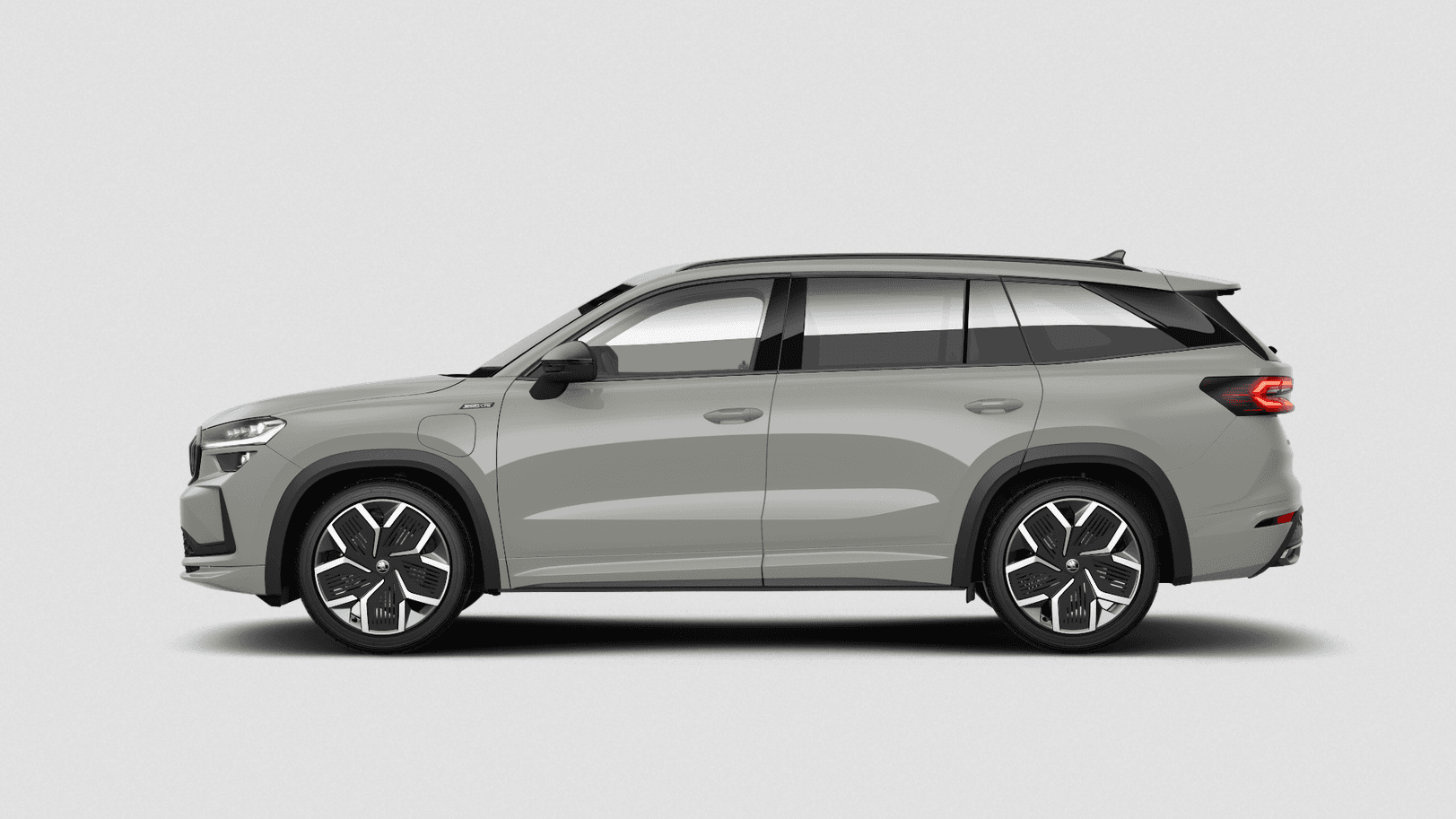
The Kodiaq arrived in 2017 and immediately reset expectations for what a family SUV under £20,000 could offer on the used market. Built on Volkswagen Group's MQB platform, it shares its underpinnings with the Tiguan but stretches them considerably further — the result is a cabin that feels genuinely large rather than merely adequate. Five adults fit comfortably, the optional third row brings seven-seat versatility that neither the Sportage nor most rivals can match, and the 720-litre boot with five seats in place is simply in a different class.
What to look for on the used market
The sweet spot on the used market is a 2019–2021 SE or SE L in the 1.5 TSI petrol or 2.0 TDI manual. The SE L adds adaptive cruise control, a larger touchscreen, and heated seats — meaningful extras that justify the small price premium over base SE cars. The 1.5 TSI petrol is the lower-risk mechanical choice: no DSG concerns, reasonable fuel economy, and a proven engine. If you go diesel, the manual gearbox is strongly preferable to the DSG automatic at higher mileages.
The Scout adds all-terrain styling and improved ground clearance, which appeals if you need light off-road capability. The vRS is the performance flagship — entertaining, but expect higher insurance groups and a limited choice of used examples. Simply Clever details are dotted throughout: an umbrella in the door, boot hooks, and a torch on the boot floor in some trims. They sound trivial but make daily use genuinely more pleasant.
Budget £150–£250 annually for servicing at a VAG independent, more at a main dealer. Check the cambelt service history on diesels (due at around 120,000 miles or 5 years) and confirm the DSG fluid service has been completed on any automatic diesel example.
Kia Sportage (2016–2021): the low-risk SUV with a warranty most rivals can't match
The third and fourth-generation Sportage occupies a smart position in the used market: accessible pricing, lower running costs than most European rivals, and — on qualifying cars — a seven-year manufacturer warranty that transfers to private buyers for a small administration fee. That warranty coverage is genuinely significant. A 2018 Sportage registered by its first owner in early 2018 could still carry warranty protection through to early 2025, which is meaningful reassurance on a used purchase at this price point.
The Sportage's interior quality doesn't quite match the Kodiaq's VW Group solidity, but it's not far behind — and newer 2019–2021 cars received a facelift that brought a sharper exterior, updated infotainment, and a slightly more upmarket cabin feel. The 503-litre boot is a genuine number that serves a family well, even if it doesn't touch the Kodiaq's figures.

What to look for on the used market
The 1.7 CRDi diesel with the six-speed manual gearbox is the most mechanically straightforward choice — proven, easy to maintain, and capable of 50+ mpg in mixed driving. The 1.6 T-GDi petrol is a better motorway companion and suits drivers covering fewer miles; real-world economy sits around 38–43 mpg. Both engines have strong reliability records with no systemic concerns to flag.
KX-2 and GT-Line trims are the most common on the used market and offer the best equipment levels for the money. GT-Line adds larger alloys, sport seats, and a more aggressive body kit — it's a popular used buy and tends to hold its value well. Check the warranty status using the car's VIN directly with Kia before buying, and confirm it's been transferred correctly if the car has changed hands before.
Service intervals are 10,000 miles or 12 months, and independent Kia specialists charge £150–£200 for a standard annual service. There are no timing belt concerns on the petrol engine (it's chain-driven), but the 1.7 diesel has a belt that should be inspected at higher mileages. One watch point: early 2016–2017 cars can show infotainment software niggles — a dealer software update usually resolves them, but it's worth confirming before purchase.
Comparison
| Spec | Skoda Kodiaq(2019) | Kia Sportage(2019) |
|---|---|---|
| Price | ££13,000–£18,000 | ££11,000–£18,000 |
| boot space | 720 litres (5 seats) | 503 litres (5 seats) |
| reliability | Good — watch DSG on diesel autos | Very good — strong reliability record across both engines |
| fuel economy | 45–55 mpg (2.0 TDI), 37–42 mpg (1.5 TSI) | 50–55 mpg (1.7 CRDi), 38–43 mpg (1.6 T-GDi) |
| insurance group | 18–24 (varies by trim/engine) | 15–20 (varies by trim/engine) |
| Pros |
|
|
| Cons |
|
|
Kodiaq DSG warning
If you're buying a Skoda Kodiaq 2.0 TDI with the DSG automatic gearbox, check the service record for a DSG fluid and filter change. This service is often overlooked and costs £200–£300. Skipping it on a high-mileage car can lead to judder, hesitation, and — in worst cases — gearbox failure. If the history doesn't show it, factor the cost into your offer.