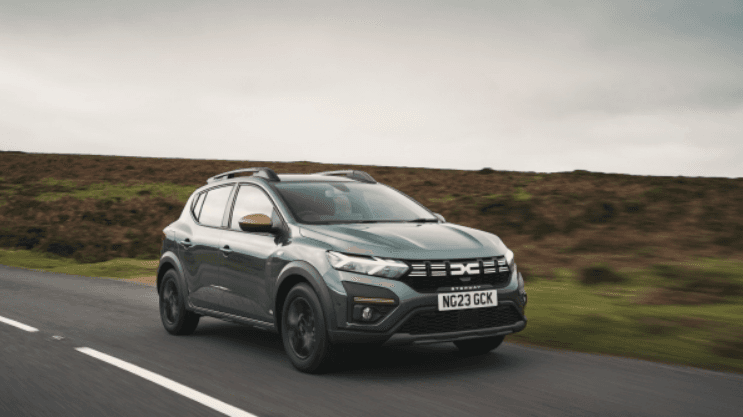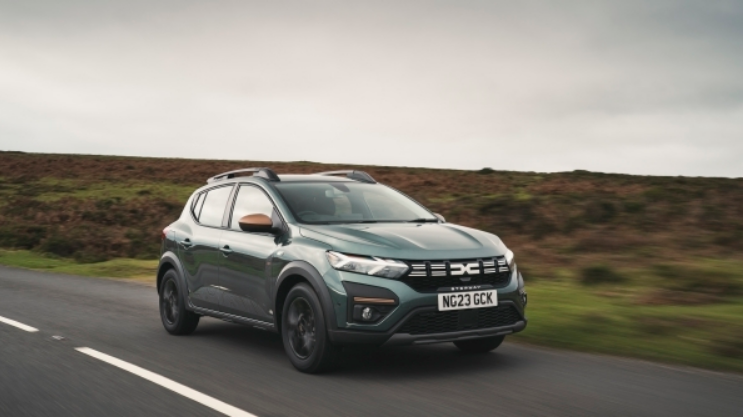
Dacia Sandero vs Vauxhall Corsa: Which Used Car Offers Better Value?
Two of the UK's most popular budget superminis — but over two years of ownership, which one actually costs less?
The dacia sandero vs vauxhall corsa question is one of the most practically useful comparisons in the used car market. Both are small, five-door hatchbacks aimed squarely at buyers who want cheap, honest transport. Both sell in enormous numbers. But they take very different approaches to being affordable — and those differences become significant the moment you start adding up the total cost of ownership.
The Sandero wins on sticker price, full stop. You'll struggle to find a newer used supermini that costs as little, and for good reason: Dacia built the Sandero around the principle that buyers shouldn't pay for things they don't need. The Corsa takes the opposite view — it's a mainstream supermini with mainstream pricing, mainstream kit levels, and mainstream reliability quirks.
So which is the smarter used buy? That depends on what you're actually optimising for. This comparison works through purchase price, running costs, reliability, insurance, practicality, and the driving experience to give you a clear answer — with real numbers from the UK used car market.
Comparison
Dacia Sandero vs Vauxhall Corsa — at a glance| Spec | Dacia Sandero | Vauxhall Corsa |
|---|---|---|
| Boot space | 320 litres | 285 litres |
| Engine options | 1.0 SCe, 0.9 TCe, 1.5 dCi | 1.2, 1.4 petrol; 1.3 diesel |
| NCAP safety rating | 4 stars (2017 Mk2) | 5 stars (2020 Mk5) |
| Insurance group (typical) | Groups 1–7 | Groups 3–11 |
| Fuel economy (typical mpg) | Up to 56 mpg (diesel) | Up to 65 mpg (diesel) |
| Road tax (annual, post-2017) | £195 | £195 |
| Used price range (2018–2020) | £1,950 – £6,500 | £2,995 – £8,500 |
| Pros |
|
|
| Cons |
|
|
Purchase price: the Sandero's biggest trump card
On the used market, the price gap between these two cars is stark. A 2019 or 2020 Dacia Sandero with sensible mileage — think 30,000 to 60,000 miles — can be found from around £2,500 to £4,500. The equivalent year Vauxhall Corsa in similar condition starts closer to £4,000 and climbs to £8,000 or beyond for a well-specced example.
That gap is real, and it matters. A £2,000 to £3,000 difference upfront means more money left over for insurance, servicing, or simply keeping in the bank. For buyers on a strict budget, the Sandero doesn't just compete — it wins this category outright.
Why is the Sandero so cheap? Because Dacia positioned it aggressively from new. Even a brand-new Sandero costs less than most used Corsas of equivalent age, which puts a natural ceiling on what dealers can charge for secondhand examples. The Corsa carries brand recognition, a wider dealer network, and aspirational trim levels (SRi, GS Line, Ultimate) that push prices up.
One caveat: very cheap Sanderos — sub-£2,000 — tend to have covered serious mileage. One 2018 Access example we found at £1,995 had covered over 104,000 miles. Buy carefully and insist on seeing the service history before going anywhere near an MOT advisory list.
Reliability: two very different histories
This is where the comparison gets more nuanced. The Sandero's reliability reputation is broadly positive, largely because its mechanicals are borrowed from the wider Renault-Nissan Alliance parts bin. The 1.0-litre SCe and 0.9 TCe engines are well-proven units shared across a range of Renault and Dacia models. The 1.5 dCi diesel is dependable if properly maintained — though cam belt changes must be respected on a strict schedule. Miss one and the repair bill will exceed the car's entire value.
The Mk4 Corsa (2014 to 2019) had a more complicated history. The 1.4-litre petrol is generally robust, but the 1.0-litre three-cylinder turbo developed a reputation for excessive oil consumption and potential bearing wear when oil changes were delayed. That specific engine demands careful pre-purchase checks: look for full service history with no extended intervals, and check the oil level and condition before any test drive. If the seller is vague about service history on a 1.0T, walk away.
The Mk5 Corsa (2019 onwards), which switched to PSA Group underpinnings after Vauxhall's acquisition by Stellantis, brought a cleaner engine line-up and improved reliability scores. Used examples carry a small premium, but are genuinely lower risk. The 1.2-litre turbo petrol in the Mk5 is a solid unit shared with the Peugeot 208.
For buyers who are not mechanically confident, the Sandero's relative simplicity and lower repair costs are reassuring. Its parts are cheap, independent garages know the running gear well, and there are no complicated features to go wrong.
Pros
- Significantly cheaper to buy used — often £2,000+ less than an equivalent Corsa
- Insurance groups 1–7 keep premiums very low
- Simple, proven Renault-derived mechanicals
- 320-litre boot is the largest in this comparison
- Parts and servicing are inexpensive at independent garages
Cons
- Cabin quality is a clear step below the Corsa — hard plastics throughout
- 2013–2016 models only achieved four-star NCAP safety
- Limited trim levels and personalisation options
- Sat-nav and infotainment lag behind mainstream rivals
- Earlier models can feel basic even by supermini standards
Dacia Sandero
Pros
- Better-quality interior with more trim and colour options
- Five-star Euro NCAP safety rating (Mk5, from 2019)
- More engaging to drive, particularly in SRi or GS Line trim
- Wider dealer and parts network across the UK
- Mk5 models benefit from a modern, well-developed PSA platform
Cons
- Higher purchase price than the Sandero across all years
- Mk4 1.0T engine has known oil consumption issues — requires scrutiny
- Insurance groups 3–11 mean higher premiums for younger drivers
- More expensive to service at franchised dealers
- Greater technology complexity means more things that can go wrong
Vauxhall Corsa
Running costs: insurance, fuel, and servicing
Running costs are where the dacia sandero vs vauxhall corsa debate gets genuinely interesting. The Sandero has a structural advantage: its low insurance groups mean younger drivers in particular can save hundreds of pounds per year. A 20-year-old driving a Sandero Essential can typically expect to pay meaningfully less than the same driver in a Corsa Energy of the same year, even controlling for other variables.
Fuel economy is roughly comparable for everyday driving. Both cars return real-world figures in the high 30s to mid-40s mpg on mixed roads in petrol form. The Sandero diesel can push towards 55 mpg on longer runs, but diesel superminis are worth avoiding if you do predominantly short urban trips — you'll rarely see that economy figure and the DPF will thank you for buying petrol instead.
Servicing is where the Sandero pulls ahead again. Because Dacia designed the car to be cheap to own, service intervals are straightforward and parts are inexpensive. An annual service at an independent garage typically costs £100 to £160 for a Sandero. The Corsa is broadly similar at an independent, but franchised Vauxhall dealers charge more, and many used Corsa buyers feel obligated to use them — particularly for warranty-related work on younger cars.
Tyres are broadly similar in cost between the two cars, as both run common 185/65 R15 or 195/55 R16 sizes depending on spec. Neither will surprise you at the tyre shop.
The two-year ownership cost: running the numbers
Let's model a realistic two-year ownership scenario for both cars. We'll assume a 2019 example with around 30,000 miles, bought privately, covering 8,000 miles per year.
For the Dacia Sandero 1.0 SCe Essential:
- Purchase price: approximately £3,200
- Annual insurance (30-year-old driver, average UK postcode): approximately £650
- Two services over two years: approximately £280
- Road tax: £390 over two years
- Fuel at 40 mpg, 16,000 miles at 140p per litre: approximately £1,818
- Estimated two-year running cost (excluding purchase price): £3,138
For the Vauxhall Corsa 1.4 Energy:
- Purchase price: approximately £4,800
- Annual insurance (same driver): approximately £780
- Two services over two years: approximately £320
- Road tax: £390 over two years
- Fuel at 38 mpg, 16,000 miles at 140p per litre: approximately £1,914
- Estimated two-year running cost (excluding purchase price): £3,404
Add in the purchase price difference of £1,600 and the total two-year cost advantage of the Sandero is around £1,900. That's not trivial. Over two years of everyday ownership, you're looking at roughly £80 per month saved by choosing the Sandero over the Corsa.
These are estimates based on typical market conditions, not guarantees — your insurance quote, driving habits, and specific car will vary. But the directional finding is clear: the Sandero is cheaper to own, not just to buy.
Practicality: size, boot space, and everyday usability
Both cars are five-door superminis, so daily practicality is broadly similar. Four adults will fit in either car for short journeys, though neither is going to impress anyone in the back on a long motorway run. Where they differ noticeably is boot space.
The Sandero has a 320-litre boot — unusually large for a supermini. That's more than a Volkswagen Polo or Ford Fiesta manages, and it genuinely makes a difference when you're squeezing in a weekly shop or a weekend bag. The Corsa manages 285 litres, which is adequate but not exceptional.
The Sandero also sits slightly taller, giving it better headroom front and rear. Front visibility is good. The driving position feels natural, if a little upright by modern standards. The Corsa has a lower, sportier seating position that feels more car-like but can feel cramped for taller drivers.
In terms of infotainment, the Corsa edges ahead. Mk5 models come with a touchscreen as standard and Apple CarPlay on higher trims. The Sandero's cabin, particularly on pre-2020 models, can feel dated — a simple display and basic controls that prioritise function over feel. That's a deliberate design choice by Dacia, but it matters if you spend a lot of time in traffic.
Driving experience: does it matter at this price?
Yes, actually. You spend every journey behind the wheel, so the driving experience is never completely irrelevant — even in budget superminis.
The Corsa is the better car to drive. Its steering is more precise, the body roll is better controlled, and the ride quality on the Mk5 in particular is genuinely composed for a small car. The 1.2-litre turbocharged petrol in Mk5 trim pulls cleanly from low revs and feels right at home on A-roads. SRi and GS Line versions add a sportiness that the Sandero never attempts to match.
The Sandero is not unpleasant, but it is honest about being transport first and driving machine second. The steering is light and direct, the ride is reasonable on smooth roads but crashy over potholes, and the 1.0 SCe is better suited to town driving than motorway cruising. The 0.9 TCe turbocharged version is punchier and far more enjoyable on faster roads — if your daily drive involves motorway miles, spend the extra to find a TCe rather than accepting an SCe.
For buyers who genuinely enjoy driving or who cover a variety of road types, the Corsa is more rewarding. For buyers who want to get from A to B at minimum cost and don't much care about the experience itself, the Sandero is perfectly adequate.
Insurance groups: the Sandero's structural advantage
This is one of the most overlooked dimensions of the dacia sandero vs vauxhall corsa comparison, particularly for younger drivers.
The Sandero sits in insurance groups 1 to 7 depending on year and trim. The Corsa occupies groups 3 to 11, with sportier trims pushing towards the higher end. For a 19-year-old driver, that difference can easily amount to £300 to £600 per year — which, over two years, swallows the purchase price gap between the two cars almost entirely.
If you're a first-time buyer, a young driver, or anyone paying elevated insurance premiums, the Sandero's low groups are a significant financial consideration. Always get a quote for both cars before committing. The insurance difference alone can change the outcome of the cost comparison entirely.
For older drivers with clean licences who already pay modest premiums, the insurance gap is smaller and carries less weight. But it's never zero.
If you're buying for a young driver, you might also want to read our guide to the best used cars for first-time buyers, which covers insurance groups in more detail across a range of popular models.
Which should you buy? The verdict
The answer depends on what you value most.
Buy the Dacia Sandero if: you are buying on a tight budget, you are a younger driver paying high insurance premiums, or you simply want the most cost-effective form of reliable personal transport. The Sandero doesn't pretend to be something it isn't. It's well-built within its limits, roomy for its size, and remarkably cheap to run. The 0.9 TCe is the sweet spot in the range for anyone covering varied road types.
For a broader picture of the best budget used cars on the market right now, our best used cars under £10,000 guide puts the Sandero in context against a wider set of alternatives.
Buy the Vauxhall Corsa if: cabin quality matters to you, you regularly drive on motorways where the Corsa's superior refinement makes itself felt, or you're looking at a Mk5 post-2019 where reliability concerns around the old 1.0T engine no longer apply. The Corsa is a genuinely good small car that deserves its popularity. Avoid Mk4 1.0T examples unless you've checked the service history scrupulously.
If reliability is your primary concern across either choice, our guide to the most reliable used cars in the UK covers a broader set of models ranked specifically by fault data and real ownership records.
Alternatively, if neither of these feels quite right, you might find the best match in our roundup of the best used superminis, which includes both these models alongside the Fiesta, Polo, and Yaris.
Overall verdict: For pure value — measured as total cost of ownership over two years — the Dacia Sandero wins. The purchase price advantage, combined with lower insurance groups, cheaper servicing, and simpler mechanicals, adds up to a meaningful saving. The Corsa is the better car in several respects, but a better car isn't automatically the better buy.