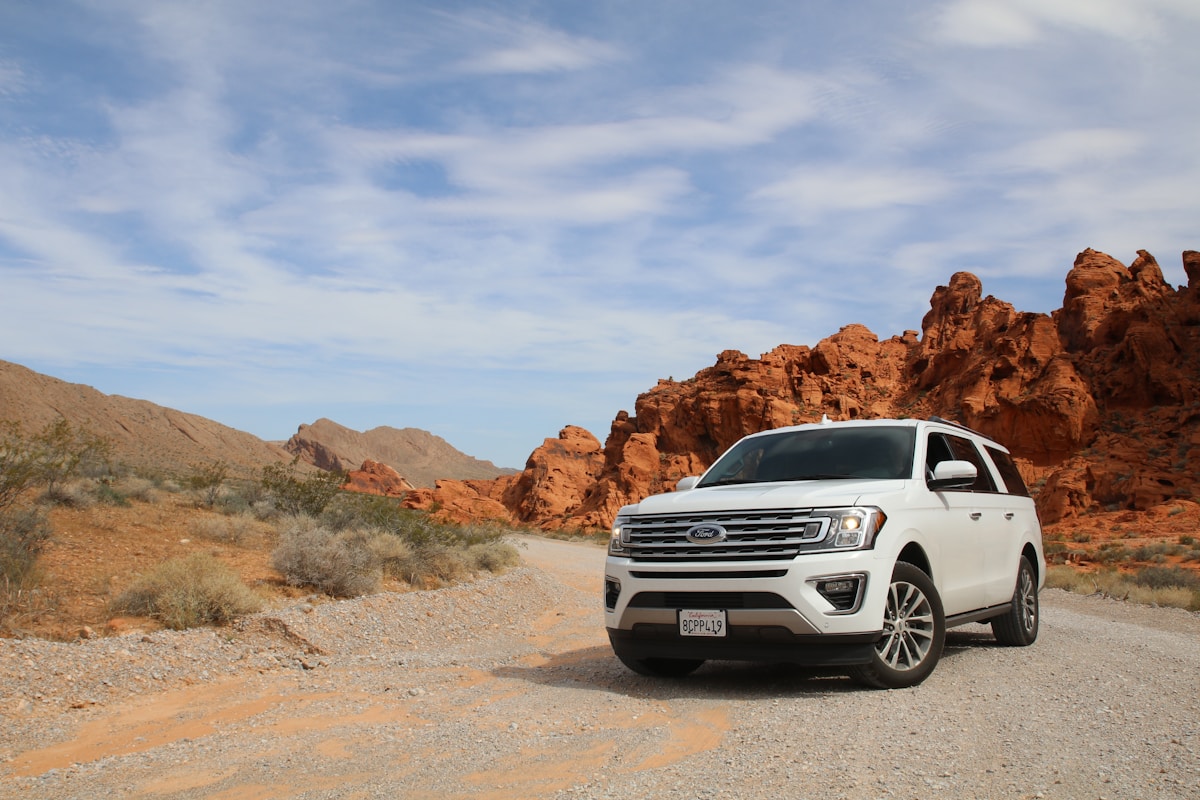
Best Used Small SUVs Under £15,000 in the UK
What to Remember
Here are the most important points to remember.
£15,000 buys a genuinely well-equipped car
At this budget you can find cars with under 40,000 miles, full service history, and mid-to-high trim levels. Don't settle for a stripped-out base spec.
Insurance groups climb when you switch from a hatchback
Most small SUVs here sit in insurance groups 10–20, compared to groups 5–12 for an equivalent hatchback. Get a quote before you fall in love with a specific model.
Fuel economy is close to the hatchbacks they replace
Modern 1.0 and 1.5-litre turbocharged engines in these cars return 40–50 mpg in real-world driving — not far behind what you'd see from a Fiesta or Polo.
Boot space varies more than you'd expect
The Ford Puma's MegaBox underfloor storage is genuinely useful. The Juke's 422-litre boot is class-competitive. The Arona and Captur sit at the smaller end. Check the numbers against your actual needs.
Our picks: best used small SUVs under £15,000

Ford Puma
Volkswagen T-Roc
Nissan Juke
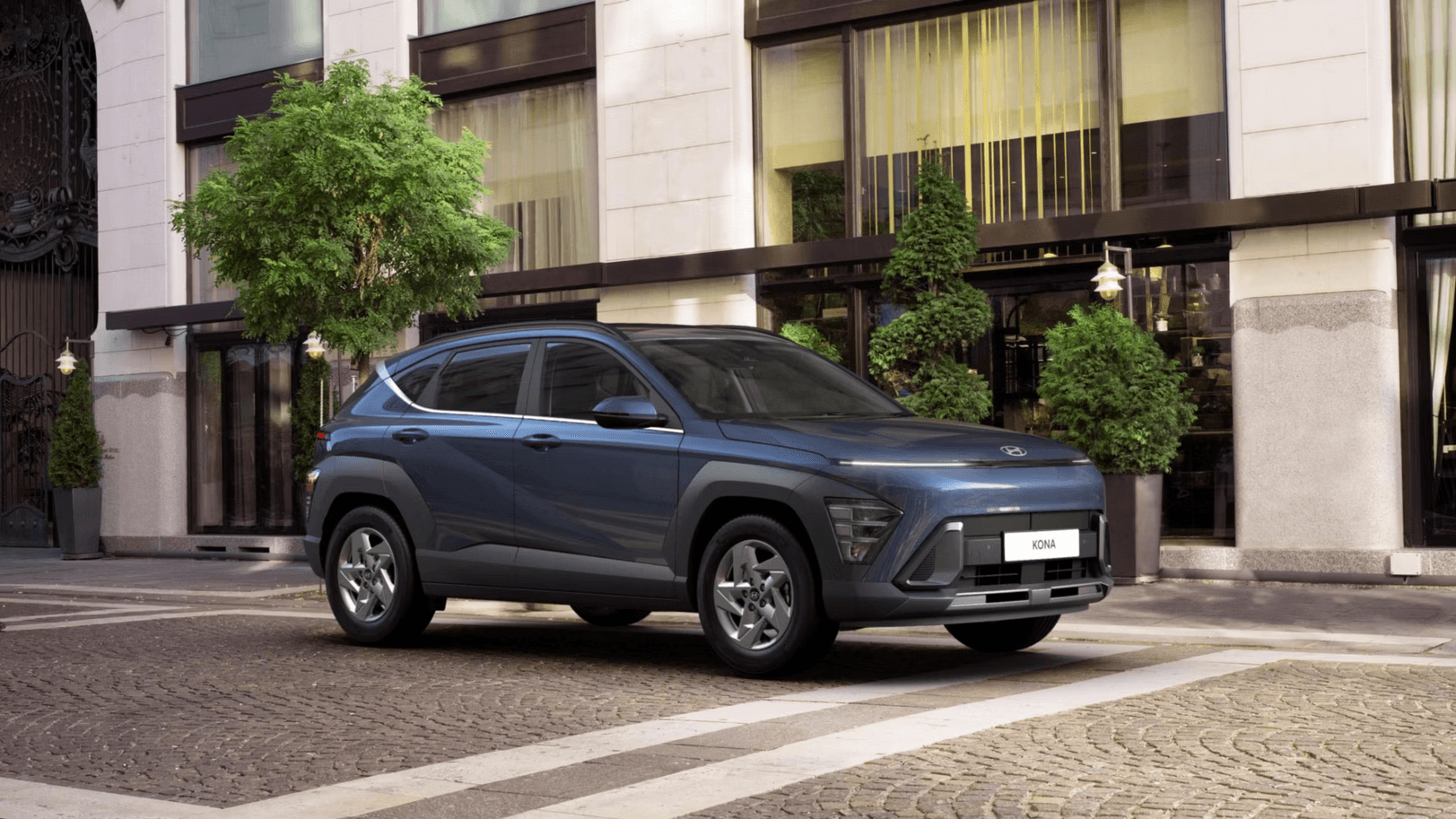
Hyundai Kona
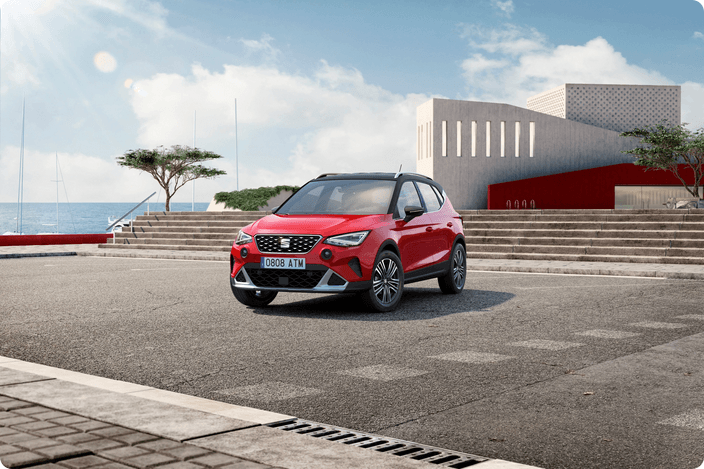
SEAT Arona
Renault Captur
Skoda Kamiq
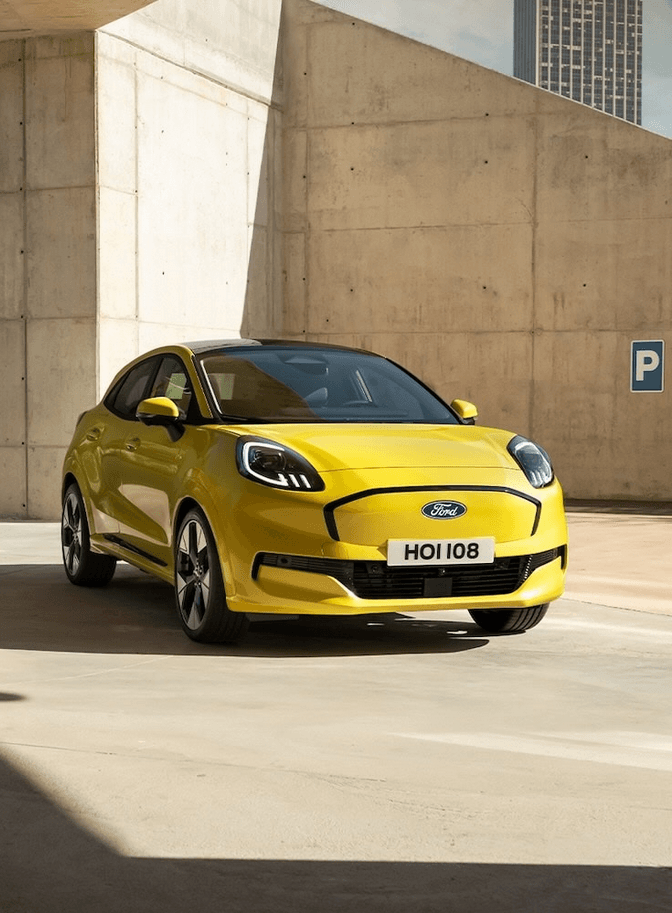
Ford Puma (2019–2022): the one that genuinely surprises you
The Puma shouldn't work as well as it does. Ford took a nameplate from the 1990s, bolted it onto a Fiesta platform, raised it up, and somehow ended up with one of the most entertaining small SUVs on sale. The steering is direct, body roll is kept in check, and the 1.0-litre EcoBoost mild-hybrid feels willing rather than breathless. It drives more like a hot hatch than a family SUV — in the best possible way.
The practical party trick is the MegaBox: a 80-litre underfloor storage compartment beneath the boot floor that's deep enough to fit muddy wellies, a travel stroller, or a couple of carry-on cases without touching the main 456-litre load space. No rival offers anything like it.
ST-Line is the sweet spot on the used market. You get the sportier bodywork and interior detailing without the firmer suspension of the ST-Line X. Avoid the very early 2019 cars if you can — later 2020–2022 examples benefit from minor software and refinement updates. Check the rear parking sensors work (a common advisory on older cars) and confirm the mild-hybrid system hasn't thrown any fault codes.
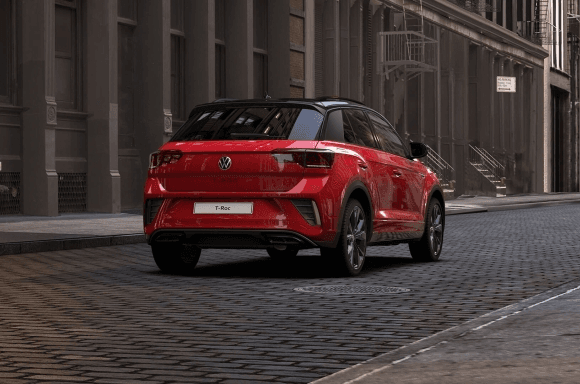
Volkswagen T-Roc (2017–2022): badge prestige at a used-car price
The T-Roc has always punched above its weight on interior quality. Sit inside a well-specced SEL or R-Line and it feels closer to a Tiguan than a Polo — and at £15,000, that's a compelling proposition. The switchgear is satisfying, the materials are a clear step above most rivals, and the general sense of solidity makes it feel like a car that cost considerably more new.
Engine choice is broad on the used market. The 1.0-litre TSI is fine for most town and motorway use, but if you're regularly carrying a full load or towing, seek out the 1.5 TSI — it's notably more relaxed at motorway speeds. The 2.0-litre petrol and diesel variants push into the higher insurance groups, so factor that in.
Early 2017–2018 cars can suffer from DSG gearbox hesitation at low speeds — most owners describe it as manageable, but it's worth experiencing on a test drive before committing. From 2020, VW updated the infotainment to a newer touchscreen system, which is a meaningful improvement. Look for cars with the 'Winter' or 'Driver Assistance' packs for parking sensors and adaptive cruise.
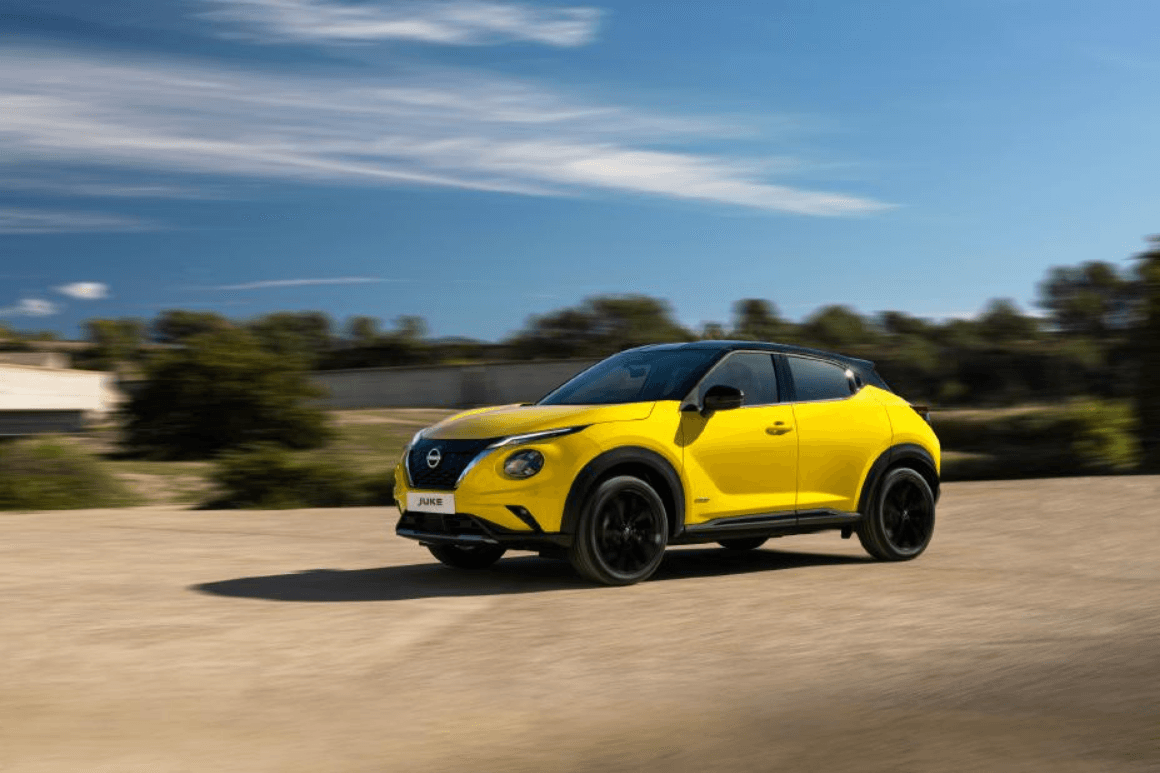
Nissan Juke (2019–2022): the Mk2 earns its second chance
The original Juke divided opinion so sharply it could have been sold as a controversy generator. The second generation, launched in 2019, quietly fixed most of the complaints without sanding away the character that made people love it in the first place. The polarising exterior styling remains — if anything it's more assured — but the interior is a genuine step forward, the rear seats are actually usable, and the boot is now properly competitive.
The 1.0-litre DIG-T petrol is the only sensible engine choice on the used market. It's punchy enough for everyday use, returns 40–47 mpg in mixed driving, and sits in reasonable insurance groups. The seven-speed dual-clutch automatic is smooth and well-matched to the engine; the six-speed manual is slightly more engaging but less relaxed on longer runs.
N-Connecta trim is the sweet spot — it adds the 8-inch touchscreen, Apple CarPlay, rear-view camera, and climate control without the premium of Tekna. Check the touchscreen responds properly (early units could be sluggish) and confirm the ProPilot driver assistance system is working if fitted. Strong residual values mean you're unlikely to lose much money on a well-chosen example.
Hyundai Kona (2017–2023): the reliability benchmark
If your priority is buying a used car that won't let you down, the Kona is the place to start. Hyundai's reliability record is among the strongest in the industry, and the Kona backs that up in owner satisfaction surveys year after year. The brand's five-year, unlimited-mileage warranty means any car registered from 2020 onwards could still have meaningful manufacturer cover remaining — worth checking before you buy.
SE Connect trim delivers a genuinely well-equipped car without the price premium of Premium or Premium GT. You get a 10.25-inch touchscreen, wireless Apple CarPlay, heated front seats, and a full suite of safety aids. It doesn't feel like a budget choice inside.
The 1.0-litre T-GDi is economical and adequate, but the 1.6 T-GDi is the better engine if you can find one in budget — more relaxed on motorways and more satisfying to drive. The full EV variant (the Kona Electric) is a separate story but worth mentioning: early 64kWh examples are now within £15,000 on the used market and represent excellent value if you have a home charger. The petrol Kona's one genuine weakness is boot space — at 361 litres, it trails the Kamiq and Puma — but the 60/40 rear seats help maximise flexibility.
SEAT Arona (2017–2022): the sensible choice that doesn't feel sensible
The Arona is often overlooked in favour of its Volkswagen and Skoda siblings, which is a mistake. It shares the same MQB A0 platform and 1.0-litre TSI engine as the Polo and Ibiza — both well-proven, easy to service, and cheap to insure — but wraps them in bolder styling and, on FR trim, a noticeably more engaging interior.
FR Sport is the trim to seek out at this budget. The red stitching and sportier seat bolsters give it a premium feel that the base Arona lacks, and you typically get the full LED headlight package and a larger infotainment screen. Running costs are genuinely low: insurance groups from 10, servicing costs in line with a Polo, and real-world fuel economy of 40–48 mpg from the 1.0 TSI.
The Arona's one limitation is rear headroom — taller passengers will notice the roofline on longer journeys. The boot at 400 litres is fine, though the loading lip is higher than ideal. On the plus side, the lower list prices mean you can find well-specced 2020–2021 cars within budget that might come with service history still showing warranty coverage through the Volkswagen Group extended care programmes.
Renault Captur (2019–2022): the one with the genuinely beautiful interior
Open the door of a well-specced Mk2 Captur and the interior is immediately disarming. The 9.3-inch portrait touchscreen, soft-touch surfaces, and ambient lighting feel more Renault Mégane than budget SUV. This is a car that punches well above its price bracket in perceived quality — and Renault knows it, marketing the Captur heavily on that basis.
The sliding rear bench is a genuinely useful feature: push it back and rear passengers get meaningful legroom; pull it forward and you reclaim boot space up to 536 litres. Few rivals offer this kind of flexibility. The E-Tech PHEV variant is worth serious consideration if you have a home charger — the ability to run on electric power for shorter journeys cuts running costs meaningfully, and prices have fallen to within budget on 2020 cars.
The caveat is reliability. Renault's ownership costs sit slightly above the class average, and the PHEV drivetrain adds complexity. Stick to cars with a full service history and avoid anything that's had multiple owners in quick succession — it's sometimes a sign of recurring electrical niggles. Iconic and S Edition trims offer the best equipment-to-price balance; base Access and Play cars can feel sparse by comparison.

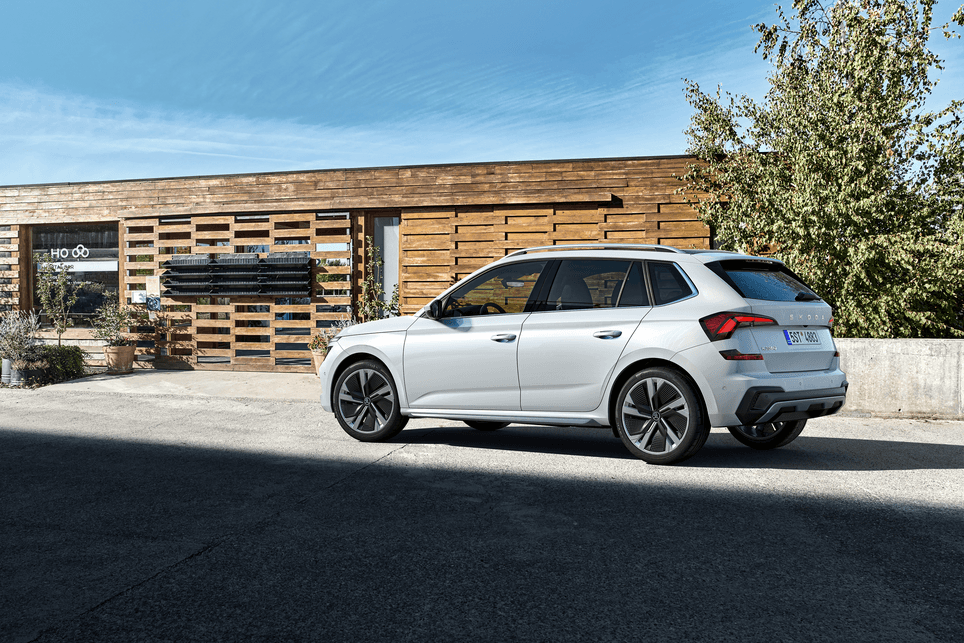
Skoda Kamiq (2019–2022): the one that just makes sense
The Kamiq is the least dramatic car in this group, and that's entirely the point. Skoda's philosophy of maximum usability for the money is applied here without compromise: the rear seats are the roomiest in class, the boot at 400 litres swallows a pushchair and weekly shop simultaneously, and Simply Clever details — like the umbrella holder in the driver's door and the boot light on a retractable lead — make everyday ownership quietly satisfying.
Platform, engines, and gearboxes are shared with the Volkswagen Polo and SEAT Arona, which means the reliability picture is reassuringly good and parts availability is excellent. The 1.0-litre TSI handles most duties capably; the 1.5 TSI is worth seeking out if motorway miles feature heavily in your routine.
SE trim is the minimum worth considering — it adds the larger touchscreen, cruise control, and rear parking sensors. SE L goes further with wireless phone charging and a larger alloy wheel package. The Kamiq's weakness is driver engagement: it's a composed, calm car, but it lacks the steering feel of the Puma or the visual flair of the Juke. If you want to enjoy the school run rather than simply complete it, the Kamiq may not scratch that itch. For everyone else, it's very hard to argue against.
Comparison
| Spec | Ford Puma(2020) | Volkswagen T-Roc(2019) | Nissan Juke(2020) | Hyundai Kona(2019) | SEAT Arona(2019) | Renault Captur(2020) | Skoda Kamiq(2020) |
|---|---|---|---|---|---|---|---|
| Price | ££12,500–£15,000 | ££11,000–£15,000 | ££11,000–£15,000 | ££9,500–£14,500 | ££9,000–£13,500 | ££10,000–£14,500 | ££10,500–£14,500 |
| boot space | 456 litres (+ MegaBox) | 445 litres | 422 litres | 361 litres | 400 litres | 422 litres (bench forward) | 400 litres |
| reliability | Good | Good | Good | Excellent | Good | Average | Very good |
| fuel economy | 47–51 mpg | 40–48 mpg | 40–47 mpg | 38–45 mpg | 40–50 mpg | 42–49 mpg | 42–50 mpg |
| insurance group | 12–16 | 14–20 | 13–18 | 11–16 | 10–15 | 11–16 | 11–16 |
| Pros |
|
|
|
|
|
|
|
| Cons |
|
|
|
|
|
|
|
Don't forget insurance before you fall in love
The step from a hatchback to a small SUV typically adds two to five insurance groups, which can mean a meaningful premium increase depending on your age, location, and claims history. Get a quote on your shortlisted models before you book a viewing — not after. Comparison sites make this quick, and it could change your shortlist entirely.