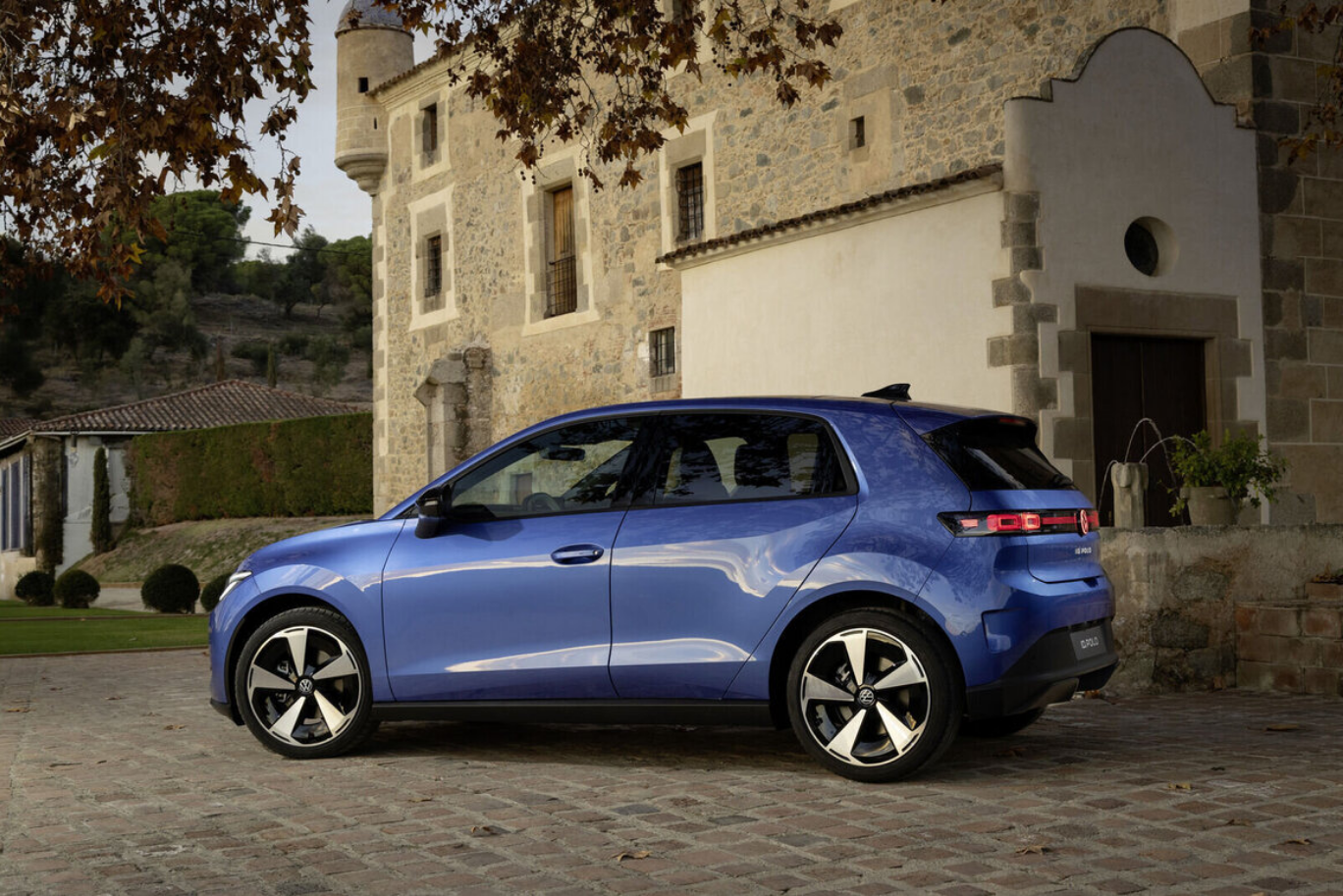
Best Used Small Cars Under £8,000 in the UK
Reliable, affordable small cars you can actually buy right now for under eight grand
Finding the best used small cars under £8,000 is not the compromise it once was. At this price point in 2026, you can get a well-specced, low-mileage supermini from a credible maker — something safe, economical, and pleasant to live with every day. The trick is knowing which models hold up over time and which ones look like bargains until you're three months in and staring at a repair bill.
This guide cuts straight to the best used small cars under £8,000 on the market right now. We've focused on reliability, running costs, parts availability, and how these cars feel to own — not just to drive for five minutes at a dealership. Each pick has been chosen because it represents genuinely good value, not just a low asking price.
Budget roughly £5,000–£8,000 and you'll have access to cars from 2016 onwards with sensible mileage. Drop below £4,000 and you'll still find usable options, but expect higher mileage and older plates — we'll flag what's acceptable at each level.
What to expect from the best used small cars under £8,000
Before diving into the picks, it helps to know what £8,000 actually buys you in 2026. The used small car market has plenty of stock, but quality varies enormously. At the top of the budget — £6,500 to £8,000 — you're looking at 2017 to 2019 superminis with 50,000 to 80,000 miles and a reasonable service history. Drop to £3,000 to £5,000 and expect 2014 to 2016 models with higher mileage, though there are genuinely solid cars in that bracket too.
Mileage for age is your first filter. A 2016 car with 120,000 miles has covered roughly 15,000 miles per year — about average for UK driving. That's not a red flag in itself, but it does mean the car has had a working life. Look for a full service history, preferably stamped by a franchised dealer or a specialist independent. Without it, you're guessing at maintenance standards.
For small cars specifically, watch for clutch wear on high-mileage manuals, timing chain or belt condition on older engines, and any signs of previous front-end damage. Cars in this segment get used hard — short urban trips, lots of stop-start driving — so cooling systems and brake components wear faster than the mileage alone suggests.
The models below have all been selected because they hold up well under exactly that kind of use.
The best used small cars under £8,000: our picks
1. Volkswagen Polo Mk5/Mk6 (2014–2021) — from around £3,000
The Polo is the benchmark used supermini and, for most buyers, the safest choice at this budget. Build quality is a clear step above mass-market rivals, the interior holds together well on older examples, and running costs are genuinely low when you choose the right engine.
The 1.0 TSI petrol — found on the Mk6 from 2017 onwards — is the engine to go for. It's frugal, reasonably quick, and has a solid reliability record. The Mk5 1.2 TSI is also a good choice, though some early units had timing chain wear; insist on a full service history and listen for rattles on start-up. Stick to the 1.0 MPI or 1.2 TSI petrol and you'll largely sidestep the issues.
Used prices: expect to pay £3,000–4,000 for a 2014–2016 Mk5 with reasonable mileage, rising to £5,000–8,000 for a 2017–2019 Mk6. Current listings show 2017 Polo Match Edition TSIs from around £4,300 with under 100,000 miles — excellent value for a VW Group car.
Best for: buyers who want solid, premium-feeling reliability and low running costs above all else.
2. Ford Fiesta Mk7 (2013–2020) — from around £1,300
No guide to the best used small cars under £8,000 could reasonably leave out the Fiesta. It was Britain's best-selling car for over a decade, and the sheer volume of used examples means you have real leverage when buying. If one example doesn't feel right, there are thousands more.
The Fiesta's trump card is how it drives. In a class that often prioritises economy over engagement, the Fiesta actually rewards the person behind the wheel. The 1.0-litre EcoBoost is genuinely quick for its size, returns around 50mpg in real-world mixed use, and sits in a low insurance group. The 1.25 Duratec is the pure budget option — unexciting but bombproof.
Two things to watch: avoid the Powershift dual-clutch automatic entirely (it's been problematic), and check any pre-2017 1.0 EcoBoost carefully for the coolant loss issue that affected a number of engines. Post-2017 facelifted cars largely resolved this. The fix is expensive if it's gone wrong, so ask for evidence that the coolant system is in good health.
Used prices: £1,300 buys a 2013 Zetec with high mileage; £4,500–6,000 gets a sensible 2017–2018 model with a full history. Over 4,300 Fiestas are currently listed for sale in the UK under £8,000.
Best for: drivers who want the most engaging small car to drive at this price, with the widest possible choice of stock.
3. Vauxhall Corsa Mk4/E (2014–2019) — from around £1,250
The Corsa won't set your heart racing, but that's not really the point. It's a practical, widely available small car that costs very little to run and even less to insure. Independent garages know it inside out, parts are cheap, and MOT failures tend to be mundane rather than expensive.
The 1.2 petrol is the reliable choice — simple, naturally aspirated, easy to work on. Avoid the 1.4 turbo on the Corsa E if possible; it developed a reputation for oil consumption and turbo issues on higher-mileage examples. The 1.0 Turbo (badged ecoFLEX) is a better option if you want something with a bit more pace.
Spec-wise, the Design and SE trims hit the sweet spot: air conditioning, a reasonable infotainment system, and enough equipment to feel like a complete car. Sting trims are spartan by modern standards.
With nearly 2,900 examples listed under £8,000, including 2015 ecoFLEX diesels from £1,450, the Corsa offers more choice than almost anything else on this list.
Best for: first-time buyers who want low insurance, simple maintenance, and a car that won't cause sleepless nights.
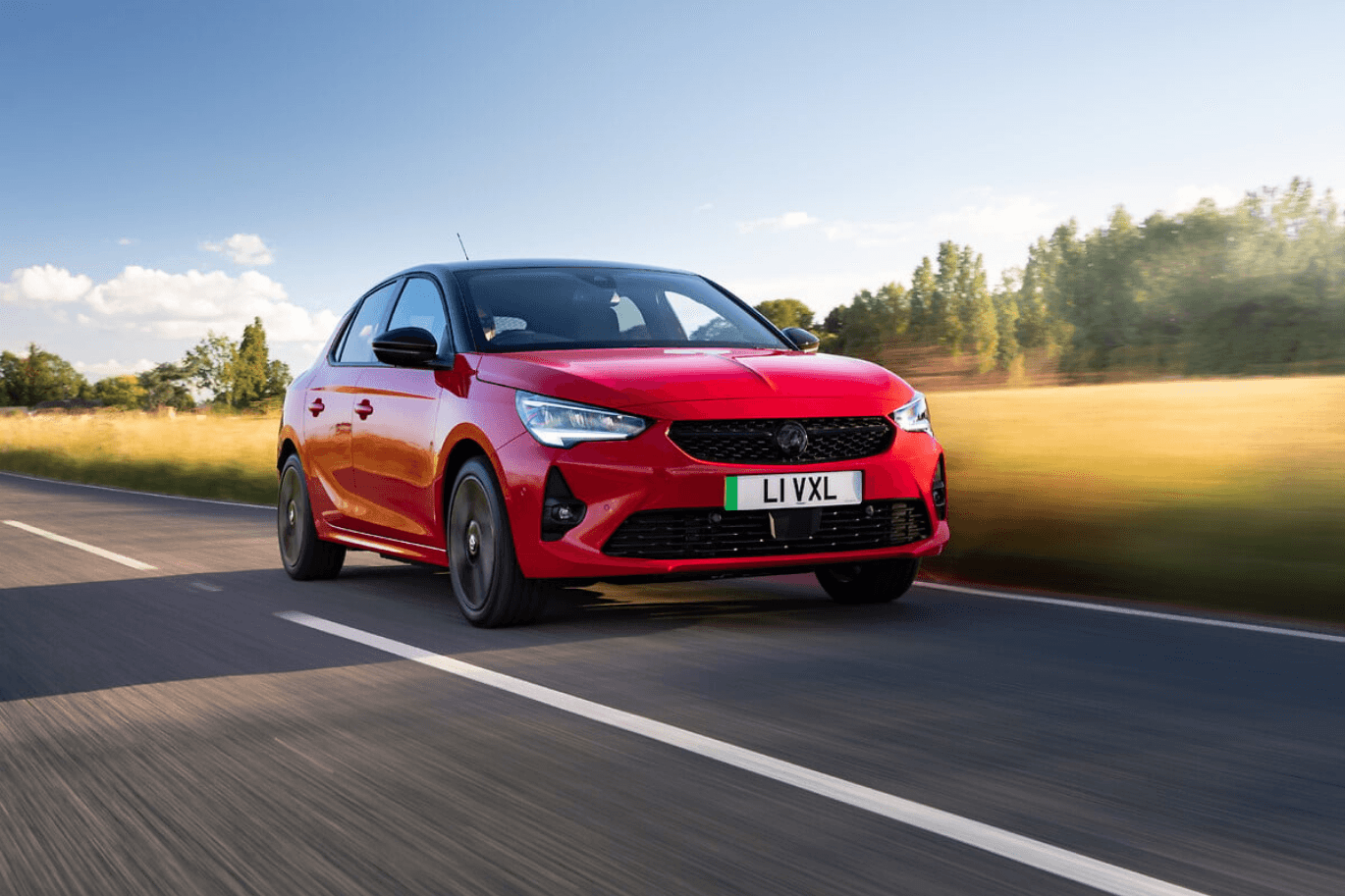
4. SEAT Ibiza Mk4/Mk5 (2015–2021) — from around £1,400
The SEAT Ibiza is the smart buyer's Polo. The Mk5 in particular shares its MQB A0 platform, engines, and much of its engineering with the Volkswagen Polo Mk6 — but because the SEAT badge doesn't carry the same premium, you typically pay less for the same mechanicals.
A 2017 or 2018 Ibiza with the 1.0 TSI engine is an outstanding buy at around £5,000–6,500 with sensible mileage. The running gear is identical to its VW cousin, parts costs are comparable, and any VW Group specialist can service it without issue. FR trim adds visual appeal without any mechanical penalty.
The Mk4 Ibiza (2012–2017) is older but still a solid car. It pre-dates the MQB platform but uses reliable PSA-era VAG engines and has a good reliability record. At £1,400–3,000 it's affordable, though the interior feels noticeably more dated.
One caveat: because SEAT's used market is smaller than VW's or Ford's, you have less stock to choose from. Be prepared to travel or be patient.
Best for: buyers who want VW Group reliability and running costs at a lower entry price point.
5. Toyota Yaris Mk2/Mk3 (2011–2020) — from around £2,000
If reliability is your absolute priority, the Toyota Yaris is the car to buy. Toyota's reputation for building cars that simply keep going is not marketing spin — it's backed by decades of owner data, and the Yaris is one of the marque's most consistent performers.
The Mk3 (2011–2020) is the generation to focus on. The 1.33 VVT-i petrol is a naturally aspirated engine with minimal complexity and a strong long-term record. More interesting is the hybrid option, available from 2012 onwards: the 1.5 hybrid returns real-world figures of 60mpg or better in urban driving, and the hybrid system itself is robust. If you're predominantly driving in a city, the hybrid is worth seeking out.
The Yaris isn't the most exciting car on this list. The steering is light, the engine is quiet rather than characterful, and the dashboard design has never set pulses racing. But it starts every time, costs almost nothing to insure, and has a strong residual value when you come to sell.
Current listings show 2013 Yaris Mk3 TR models from £2,000 with around 140,000 miles — high mileage, but entirely manageable on a well-maintained Yaris engine. Spend £5,000–7,000 and you'll find 2017–2019 models with 50,000–70,000 miles.
Best for: buyers who want the most reliable small car available and don't mind trading some driving excitement for peace of mind.

6. Honda Jazz Mk2/Mk3 (2011–2020) — from around £1,300
The Honda Jazz belongs in a category of its own. It's technically a small car by exterior dimensions, but its interior is larger than many compact family hatchbacks. Honda's Magic Seat system — which allows the rear bench to fold in multiple configurations — makes this one of the most versatile small cars ever built.
The 1.4 i-VTEC petrol engine on the Mk2 is typically reliable and smooth, though it requires a cambelt change at 100,000 miles or 10 years. If you're looking at a high-mileage example, confirm this has been done. The Mk3 (from 2015) used a 1.3-litre unit and is mechanically simpler.
The Jazz skews slightly older in its used buyer demographic, which often means you'll find examples with meticulous service histories from careful single owners. One-owner, dealer-serviced Jazz examples are not unusual at this price point.
It won't thrill you on a B-road. The engine is smooth rather than spirited, the ride is comfortable rather than engaging, and the exterior styling is quietly functional. But as a practical urban runaround with an outstanding interior, it earns its place here.
With 457 examples currently listed under £8,000, the market isn't enormous — but the quality of stock tends to be good.
Best for: practical buyers who need genuine versatility from a small footprint, or those carrying bikes, pushchairs, or awkward loads regularly.

7. Hyundai i20 Mk1/Mk2 (2015–2020) — from around £2,500
The Hyundai i20 is the most underrated car on this list. It consistently scores well in owner satisfaction surveys, offers more standard equipment than its rivals at the same price, and benefits from Hyundai's five-year manufacturer warranty on original sales — meaning a 2020 example is covered until 2025, and a 2019 example may still carry some remaining warranty.
The Mk2 i20 (2014–2020) is the focus here. The 1.2-litre petrol is the sensible choice: it's smooth, economical at around 55mpg on a steady run, and sits in a low insurance group. The 1.4 CRDi diesel is also available in this budget and suits higher-mileage motorway drivers, though the petrol makes more sense for typical urban and mixed use.
Interior quality has improved substantially over earlier Hyundais. The Mk2 i20 feels well-screwed together, with a dashboard that doesn't feel cheap by small car standards. Rear seat space is reasonable, the boot is among the larger in the class at 326 litres, and long journeys in the i20 are more comfortable than its size suggests.
With around 250 examples listed under £8,000, supply is thinner than the Fiesta or Corsa, but stock quality tends to be high. Expect to pay £3,500–5,500 for a well-specced 2016–2018 SE model.
Best for: buyers who want generous equipment and strong build quality, and who'd benefit from potential remaining manufacturer warranty cover.

How the best used small cars under £8,000 compare at a glance
Choosing between these models comes down to what you actually need from a car. Here's a quick comparison across the things that matter most at this budget:
What to look for when buying a used small car under £8,000
A lower budget means a higher tolerance for risk — unless you know what to check. These are the four things to verify on any small car at this price:
Service history. A full service history, ideally stamped by a franchised dealer or specialist, is the single most important document you can find. It tells you the car has been maintained properly. On cars with timing chains (most modern small cars), it also confirms oil changes were done on schedule — critical for chain longevity.
MOT history. The DVLA's free MOT history checker shows every test, advisory, and failure since 2005. Look for patterns: recurring advisories on tyres or brakes suggest a car that's been run on a tight budget. Look for any structural advisories, which can indicate accident damage or corrosion.
Coolant and oil condition. On any older small car with a turbocharged engine, check the coolant is the right colour (not rusty brown) and the oil on the dipstick isn't milky or creamy. Milky oil indicates head gasket issues — walk away.
Clutch feel. On manual cars, test the clutch bite point. A very high bite point on a well-worn pedal suggests the clutch is near the end of its life. Budget at least £300–£500 for a clutch replacement on most small cars if it needs doing soon.
Running costs: what to budget beyond the purchase price
Buying the car is only the beginning. For used small cars under £8,000, a realistic monthly budget needs to account for:
- Road tax: most small petrol cars registered before April 2017 pay a flat rate based on CO2 emissions — typically £20–£150 per year depending on the engine. Cars registered after April 2017 pay £180 per year (2026 rate) for the standard rate. Hybrid models attract lower rates.
- Insurance: small cars generally sit in insurance groups 1–15. The Corsa 1.2 typically falls around group 3–5, the Fiesta 1.0 EcoBoost around group 8–10. Get a quote before committing to a specific car, especially if you're a younger driver.
- Servicing: budget £150–£250 for a minor service, £250–£400 for a major service with spark plugs and filters. All cars on this list can be serviced by any competent independent garage — you don't need to use a franchised dealer after the warranty expires.
- Tyres: small car tyres (typically 195/55 R15 or 185/60 R15) cost £60–£100 fitted per corner from a mid-range brand. Budget-tyre false economy is a real trap; stick to brands with solid wet-grip ratings.
For a £5,000 car in this segment, expect total annual running costs (excluding fuel) of roughly £1,000–1,500 in a normal year.
Our verdict on the best used small cars under £8,000
If you can stretch to £5,000 or more, the Volkswagen Polo Mk6 with the 1.0 TSI engine is the strongest all-round choice — solid build quality, low running costs, and a used market big enough to be selective. The Ford Fiesta sits just behind it for sheer driving enjoyment and the widest possible choice of stock.
On a tighter budget of £3,000 or under, the Toyota Yaris is the lowest-risk choice for reliability, while the Vauxhall Corsa and Ford Fiesta offer the most choice. The Honda Jazz is the pick if you regularly need to carry awkward loads or want the most practical interior in the class.
For first-time buyers specifically, the Corsa and Fiesta offer the cheapest insurance and the most accessible parts and servicing costs — two factors that matter enormously when you're also covering fuel, road tax, and the cost of the car itself.
Whichever you choose, always run a full history check before handing over money. An HPI check costs around £20 and can save you thousands — it's not optional at this budget.
If your budget stretches a little further, our guide to the best used superminis in the UK covers newer models including the Polo Mk6 and Renault Clio Mk5 in more depth. And if you're worried about which cars to steer clear of at this price, our used cars to avoid under £10,000 guide is essential reading before you buy.
Further reading
Looking at a broader range of superminis including newer models? Our best used superminis in the UK guide covers the full class from the Polo Mk6 to the Renault Clio Mk5.
If you're a first-time buyer, the best used cars for first-time buyers guide covers insurance, budgeting, and which models make the least stressful introduction to car ownership.
Before buying anything in this price bracket, read our used cars to avoid under £10,000 guide — it covers the specific models and known faults that experienced buyers know to walk away from.