Alfa Romeo Giulietta vs Vauxhall Astra: Which Used Car Has Fewer Problems?
One turns heads and breaks hearts. The other fades into the background and starts every morning. We compare reliability, running costs, and real ownership to find which used hatchback you should actually trust.
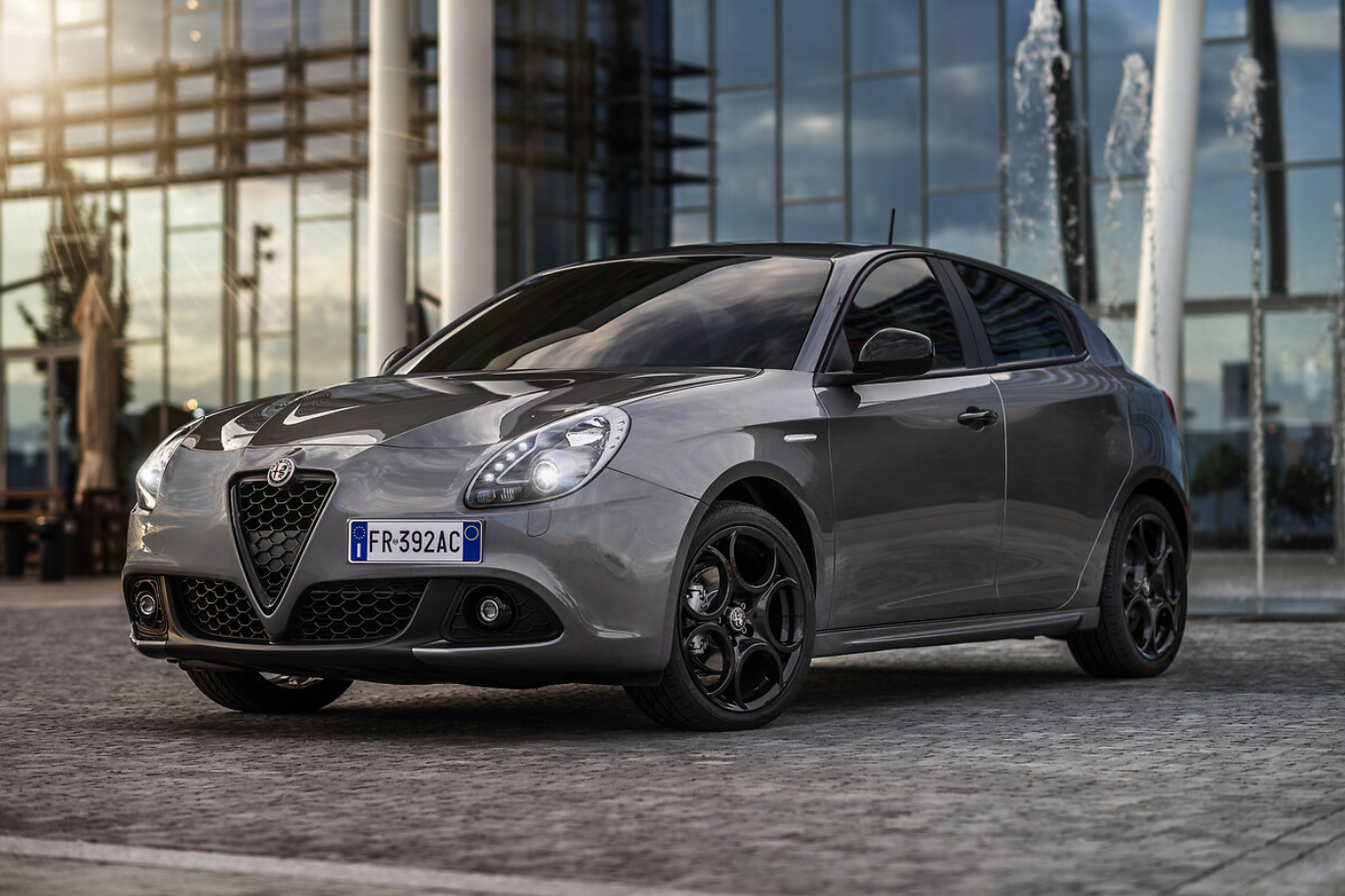
The Alfa Romeo Giulietta vs Vauxhall Astra used car problems debate is one of the more honest comparisons you can make in the used market. On one side sits the Giulietta — genuinely beautiful, Italian in every sense, with a badge that makes people stop and look. On the other sits the Astra — a car that has sold in its millions precisely because it is competent, affordable to run, and utterly unsurprising.
The question isn't which one you'd rather be seen in. The question is which one you'd rather own for the next three years without it eating your savings. Those are very different questions, and the answers are not the same.
Both cars occupy the same basic segment: family-sized five-door hatchbacks, used prices broadly overlapping, aimed at private buyers who need something practical. Yet their reliability records, parts costs, and ownership experiences diverge sharply. Here is what the data, owner forums, and independent reliability surveys actually say.
Comparison
Giulietta vs Astra: at a glance| Spec | Alfa Romeo Giulietta | Vauxhall Astra |
|---|---|---|
| Price | £From ~£1,400 | £From ~£700 |
| Boot space | 350 litres | 370 litres |
| Engine options | 1.4T, 1.6 JTDm, 1.75T, 2.0 JTDm | 1.0T, 1.2T, 1.4T, 1.6T, 1.6 CDTi, 2.0 CDTi |
| Years produced | 2010–2020 | 2009–2021 |
| Parts availability | Specialist knowledge often required | Excellent — franchised and independent |
| UK listings available | ~197 | ~2,800+ |
| Typical insurance group | Groups 17–32 | Groups 8–25 |
| Reliability (Which?/HonestJohn) | Below average | Average to above average |
| Pros |
|
|
| Cons |
|
|
Alfa Romeo Giulietta reliability: the honest picture
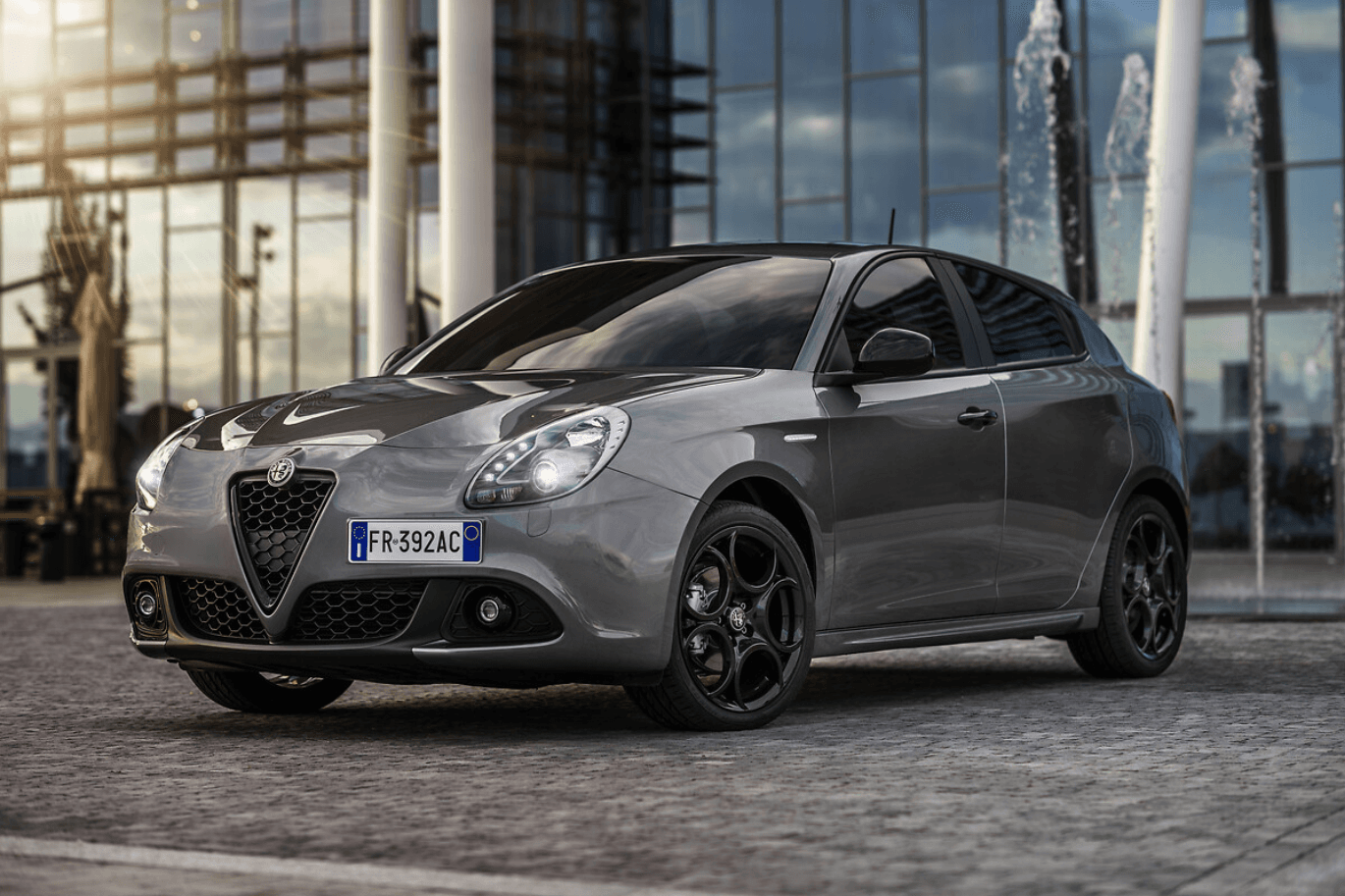
The Giulietta arrived in 2010 with genuine promise. It looked properly special — aggressive nose, wide haunches, a cabin that felt more premium than any family hatchback had a right to at this price. The Quadrifoglio Verde models were actually fun to drive. None of that is in dispute.
What is in dispute is whether the Giulietta can be trusted as a used buy. The short answer is: not without careful research and budget for repairs. The car has appeared repeatedly on Which? and HonestJohn's most problematic used car lists, and owner forums paint a consistent picture of electrical gremlins, gearbox trouble, and parts costs that bear no relation to the purchase price.
The 1.4 MultiAir turbocharged petrol is perhaps the biggest minefield. Alfa Romeo's MultiAir variable valve technology is clever in theory — it replaces a conventional throttle body with electro-hydraulic valve actuation to improve efficiency and response. In practice, the MultiAir actuators and solenoids are expensive to replace when they fail, which they do with some regularity on higher-mileage examples. Budget at least £500–£800 for a repair if this system develops a fault.
The 1.75 TBi petrol (found in the Cloverleaf and later Veloce) is more robust mechanically but drinks fuel and commands higher insurance groups. If you find a well-maintained example from a private seller who has clearly loved the car, it can be a rewarding drive. But "well-maintained" here means full Alfa Romeo or specialist independent service history, not a folder of petrol receipts and two MOTs.
Diesel Giuliettas — the 1.6 and 2.0 JTDm engines — are the most common on the used market and represent the more sensible choice for high-mileage buyers. These engines are broadly reliable if serviced properly, but DPF issues are common on cars used predominantly for short journeys, and the dual-mass flywheel has a finite life worth checking. A worn clutch and flywheel replacement on a Giulietta can run to £1,200–1,800 at a specialist.
Then there are the electrical issues. The Giulietta's infotainment and electrical architecture were not Alfa's finest hour. Owners report intermittent warning lights, dead centre consoles, and air conditioning failures that defy straightforward diagnosis. Some of these are minor annoyances; others require dealer-level equipment to diagnose. Independent garages without Alfa diagnostic tools are often simply unable to help.
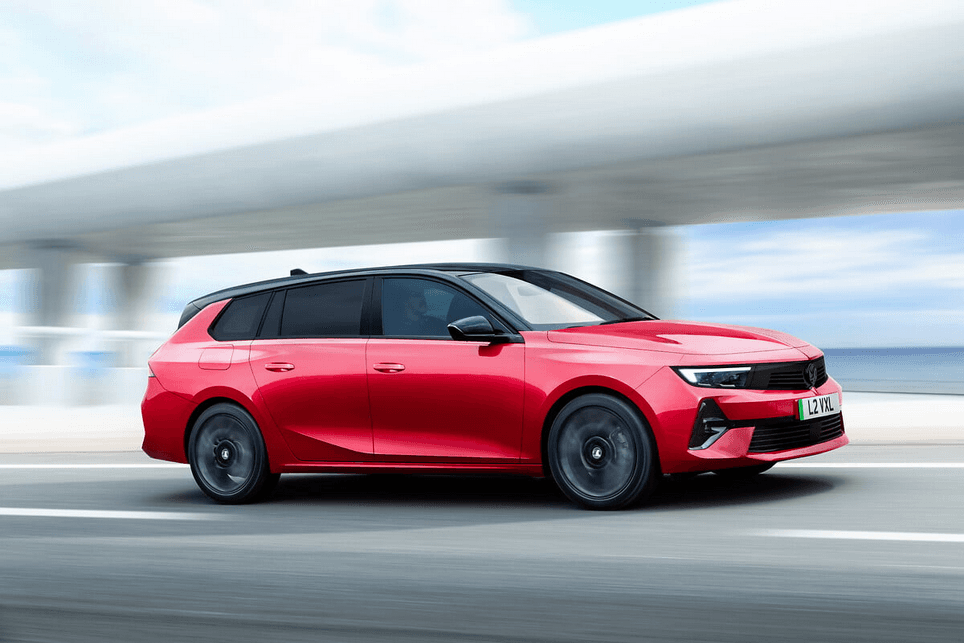
The Vauxhall Astra Mk6 (2009–2015) and Mk7 (2015–2021) are not cars that excite anyone. That is almost their entire point. Vauxhall designed these cars to be bought by fleet managers, families, and driving instructors — people who need predictable transport, low servicing costs, and a deep parts supply network.
The result is a car that almost anyone can fix. Every main dealer, every fast-fit centre, and almost every competent independent mechanic in the UK knows the Astra. Parts are cheap. Servicing is cheap. When something goes wrong — and something always eventually goes wrong — the repair bill is rarely catastrophic.
The 1.4 turbocharged petrol in the Mk7 is the engine most buyers should target. It returns reasonable fuel economy (around 45–48mpg on a mixed run), sits in sensible insurance groups, and has proved durable when serviced on time. The 1.6 CDTi diesel is a better choice for genuinely high-mileage buyers — expect 55–60mpg on a motorway run — but watch for DPF blockages on examples with mostly urban use, just as you would with any diesel in this class.
The Mk6 Astra 1.6-litre naturally aspirated petrol, while old-fashioned, is practically indestructible if a little thirsty. These older cars start from around £700 on the open market, and a good one with documented history can genuinely give years of trouble-free motoring. The downside is that the Mk6 interior now feels distinctly dated.
Common Astra faults do exist. The 1.6 CDTi timing chain can stretch prematurely on early Mk7 examples, and the repair is not trivial — budget £600–£900 if this hasn't been addressed. The 1.0-litre three-cylinder petrol found in post-2015 Astras is efficient but lacks the pulling power for motorway driving and feels strained under load. Electrical issues are not unknown, particularly on higher-spec models with the larger touchscreen, but they are nowhere near as frequent or as expensive as the Giulietta's.
Crucially, the Astra's sheer volume in the used market works in your favour. There are over 2,800 Astras for sale in the UK right now versus fewer than 200 Giuliettas. That means you have choice. You can be picky. You can walk away from one with a patchy service history because there are 50 more within 30 miles.
Vauxhall Astra reliability: far from glamorous, far more dependable
The Vauxhall Astra Mk6 (2009–2015) and Mk7 (2015–2021) are not cars that excite anyone. That is almost their entire point. Vauxhall designed these cars to be bought by fleet managers, families, and driving instructors — people who need predictable transport, low servicing costs, and a deep parts supply network.
The result is a car that almost anyone can fix. Every main dealer, every fast-fit centre, and almost every competent independent mechanic in the UK knows the Astra. Parts are cheap. Servicing is cheap. When something goes wrong — and something always eventually goes wrong — the repair bill is rarely catastrophic.
The 1.4 turbocharged petrol in the Mk7 is the engine most buyers should target. It returns reasonable fuel economy (around 45–48mpg on a mixed run), sits in sensible insurance groups, and has proved durable when serviced on time. The 1.6 CDTi diesel is a better choice for genuinely high-mileage buyers — expect 55–60mpg on a motorway run — but watch for DPF blockages on examples with mostly urban use, just as you would with any diesel in this class.
The Mk6 Astra 1.6-litre naturally aspirated petrol, while old-fashioned, is practically indestructible if a little thirsty. These older cars start from around £700 on the open market, and a good one with documented history can genuinely give years of trouble-free motoring. The downside is that the Mk6 interior now feels distinctly dated.
Common Astra faults do exist. The 1.6 CDTi timing chain can stretch prematurely on early Mk7 examples, and the repair is not trivial — budget £600–£900 if this hasn't been addressed. The 1.0-litre three-cylinder petrol found in post-2015 Astras is efficient but lacks the pulling power for motorway driving and feels strained under load. Electrical issues are not unknown, particularly on higher-spec models with the larger touchscreen, but they are nowhere near as frequent or as expensive as the Giulietta's.
Crucially, the Astra's sheer volume in the used market works in your favour. There are over 2,800 Astras for sale in the UK right now versus fewer than 200 Giuliettas. That means you have choice. You can be picky. You can walk away from one with a patchy service history because there are 50 more within 30 miles.
Running costs and insurance: where the Alfa Romeo Giulietta vs Vauxhall Astra used car problems gap widens
Running costs are where the comparison gets genuinely stark. The Giulietta's Italian componentry means that even routine servicing can cost more than equivalent work on the Astra. Alfa Romeo dealerships charge a premium for labour, and specialist independents (which you will need once the car is out of any warranty) vary enormously in quality. An oil change and service on a Giulietta at a main dealer will typically run £150–£220. The same job on an Astra at any of the national fast-fit chains costs £80–£120.
Tyres are another consideration. The Giulietta rides on larger-diameter, lower-profile rubber than the equivalent Astra, which adds to replacement costs. A set of four budget tyres for a Giulietta will typically cost £50–£80 more than the equivalent for an Astra, and the ride quality on worn or incorrect tyres suffers noticeably.
Insurance groups tell a similar story. A mid-spec Giulietta 1.4 MultiAir typically sits in insurance groups 20–26. A similarly aged Astra 1.4T is usually in groups 13–18. For younger drivers or those in London and other high-premium areas, that difference translates to a meaningful annual premium gap. Over three years of ownership, the insurance difference alone can amount to several hundred pounds.
Fuel economy is broadly comparable between like-for-like engines. The Giulietta 1.6 JTDm diesel is capable of 55–60mpg in real-world mixed driving; the Astra 1.6 CDTi returns similar figures. The Giulietta 1.4 MultiAir petrol is officially more frugal than its displacement suggests, but real-world returns often disappoint when the car is driven with any enthusiasm, which is rather the point of buying a Giulietta in the first place.
Driving experience: the one area where the Giulietta genuinely wins
Credit where it is due. The Alfa Romeo Giulietta is a better driver's car than the Astra, and it isn't particularly close. The steering is weighted and communicative in a way that Vauxhall has never quite managed in this class. The chassis balance is genuinely enjoyable on a winding B-road, and the Veloce and QV variants reward a driver who bothers to explore their capabilities.
The Giulietta also wins on emotional engagement. Sitting in one, looking at the dashboard with its Alfa crest and the deeply recessed instruments, you feel like you chose well. That matters to a lot of buyers, and there is no shame in admitting it.
The Astra is not fun. The Mk7 GTC Sport is the exception — the three-door coupe-hatchback bodystyle with the uprated suspension and sportier engine calibration is a genuinely engaging drive. But the standard five-door Astra in SE or SRi trim, which makes up the vast majority of used supply, steers adequately and handles predictably. It will get you from A to B without drama. Drama, however, is not on the menu.
For most buyers, none of this is decisive. The vast majority of miles driven in a family hatchback are school runs, commutes, and supermarket trips. Neither car's dynamics matter for 95% of real-world use. But if driving enjoyment is part of your decision, the Giulietta scores here and it's important to acknowledge that honestly.
Key fault: Alfa Romeo Giulietta MultiAir
The 1.4 MultiAir engine's electro-hydraulic valve actuators are a known failure point. Symptoms include rough idling, poor throttle response, and a check engine light. Diagnosis requires Alfa-specific software, and repairs typically cost £500–£800. Always check for this fault before buying any pre-2016 petrol Giulietta.
Practicality: the Astra is the better family car
Boot space is close on paper — the Giulietta offers 350 litres, the Astra 370 litres — but the Astra's more upright load lip and wider aperture make it noticeably more practical in daily use. The Giulietta's coupe-influenced roofline also reduces rear headroom for adult passengers, which is a genuine inconvenience on longer journeys with a full complement of passengers.
Rear legroom is adequate in both, though the Giulietta again gives something away to the Astra's more conventionally proportioned body. The Astra Estate, which was a significant part of the Mk7 range, extends the comparison further — there is no estate Giulietta, so buyers needing genuine load capacity are automatically pointed towards the Vauxhall.
Front cabin quality tells a more nuanced story. The Giulietta's interior is more attractive and feels more premium in a few key touch points — the leather-wrapped steering wheel, the instrument cluster, the quality of the switchgear on higher-spec examples. The Astra's interior, by contrast, is functional without being inspiring, and the cheaper plastics on base-spec Mk6 cars have not aged gracefully. By the Mk7, Vauxhall had improved matters significantly, but it still doesn't have the Giulietta's sense of occasion.
Key fault: Vauxhall Astra 1.6 CDTi timing chain
Early Mk7 Astras with the 1.6 CDTi diesel engine can suffer from premature timing chain stretch. A rattling noise on cold start is the classic symptom. The fix costs £600–£900 at an independent, and if left unaddressed the chain can jump, causing serious engine damage. Check the service history carefully on any pre-2017 1.6 CDTi example.
Pros
- Beautiful, distinctive styling that still turns heads
- Genuinely engaging to drive — one of the best handling cars in its class
- Alfa DNA badge appeal and sense of occasion
- Diesel variants can be reliable with proper specialist care
- Strong depreciation means attractive purchase prices
Cons
- Patchy reliability record — frequent on used car avoid lists
- MultiAir petrol engines are expensive to diagnose and repair
- Electrical gremlins are common and hard to fix without specialist tools
- Higher insurance groups than equivalent Astras
- Parts can be costly and not all independents can work on them
- Limited used market supply reduces your buying leverage
Alfa Romeo Giulietta
Pros
- Massive used market supply — you can afford to be selective
- Cheap to service at any garage in the UK
- Lower insurance groups across the range
- Good practical space, especially in Estate form
- Reliable enough to buy from a wider range of sellers
- The Mk7 interior is a significant step up from the Mk6
Cons
- Absolutely nothing exciting about the driving experience
- Mk6 interior plastics have aged poorly
- 1.6 CDTi timing chain issue on early Mk7 requires careful checking
- Lacks the badge appeal and emotional draw of the Giulietta
- 1.0-litre petrol feels underpowered on motorways
Vauxhall Astra
Which used car has fewer problems: the verdict
The Vauxhall Astra has fewer problems. That verdict is unambiguous, and the data supports it clearly. The Astra's reliability record is average to above average for its class. The Giulietta's is below average, with specific fault patterns — the MultiAir engine, the electrical architecture, the dual-mass flywheel on diesels — that require budgeting for before you buy.
None of which means the Giulietta is a car to actively run from in every circumstance. A diesel example with a full specialist service history, low mileage, and evidence that the previous owner understood what they were buying can be a genuinely rewarding used purchase. The price of entry is low — good Giuliettas with full history and under 80,000 miles can be found from around £3,500–4,500 — and the ownership experience when one is running well is quite unlike anything an Astra provides.
But that caveat does a lot of work. Buying a used Giulietta requires expertise, diligence, and a degree of tolerance for the unexpected. The used Astra requires neither. A buyer who does their basic checks, verifies the service history, and avoids the known fault patterns will almost certainly get a reliable, economical, and thoroughly unmemorable car that does everything asked of it.
For most buyers, that is the correct answer. For buyers who understand what they are getting into and want the driving experience and the style that the Giulietta offers, it can still make sense — but only with eyes firmly open. If you want proof of just how often the Giulietta appears on expert warning lists, our guide to used cars to avoid in the UK covers it in detail. And if you are cross-shopping against other budget options, our list of the most reliable used cars will help you benchmark either choice against the competition.
Buyers working to a tighter budget should also consult our guide to used cars to avoid under £10,000 — the Giulietta features there too, and the analysis of why will help you make a more informed decision at the forecourt.