How to Choose Your First Car as a Teen
What You Need to Know
- Safety features are crucial when selecting a first car.
- Establish a realistic budget before diving into the car market.
- Assess your personal needs and lifestyle to choose the right vehicle.
- Research vehicle safety ratings for informed decision-making.
Choosing your first car requires careful thought and preparation. With a staggering statistic stating that teen car crashes are among the leading causes of death for 15- to 18-year-olds in the U.S. (United States Department of Transportation), prioritizing safety is essential. This guide offers vital insights into balancing safety, affordability, and practicality as you embark on this important journey. The right car can open doors to independence and adventure.
Understanding the Importance of Safety
When selecting a first car, safety should be your guiding star. On average, 16 to 19-year-olds lose their lives in car crashes every day in the U.S. (Insurance Institute for Highway Safety, 2021). This alarming statistic highlights the importance of choosing a vehicle equipped with advanced safety features. A recent study found that 43% of Gen Z prioritize safety features more than previous generations at the same age (Cox Automotive, 2016). Investing in a car with these essential safety features can mean the difference between a smooth ride and a potential disaster.
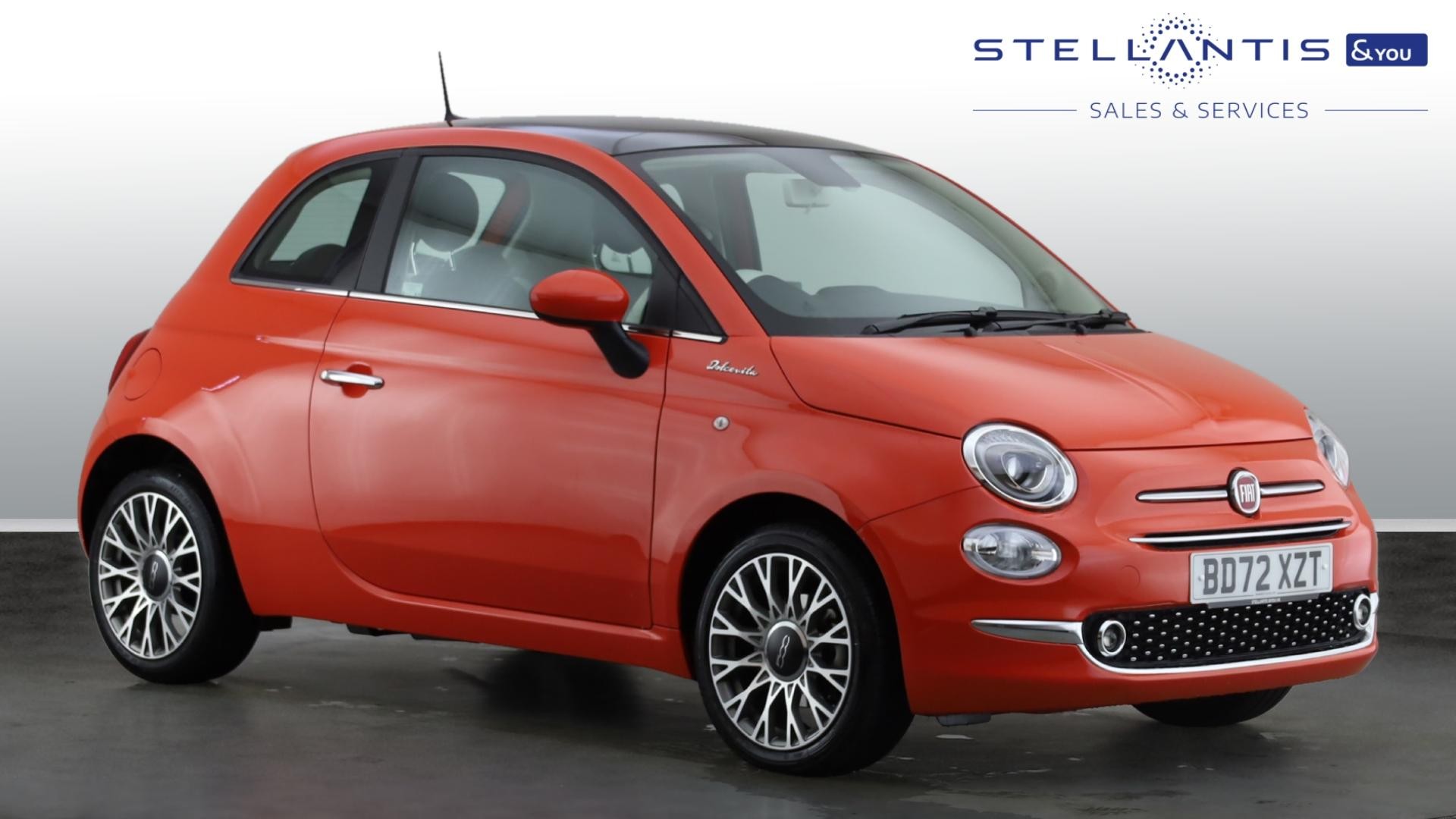

Key safety features to look for include anti-lock brakes, stability control, and multiple airbags. Investing in a car with these features can mean the difference between a secure drive and a potential hazard. For further insights, explore Compact Hatchbacks for Teen Drivers and Crossovers with Advanced Safety Features.
Setting a Realistic Budget
Setting a budget is like drawing a map for your car-buying journey. The average price of a used car in the U.S. soared by 25% from 2020 to its peak in 2022, making it vital to have a clear financial plan (McKinsey, 2023). Additionally, the average price for a new car was recorded at $44,331 in October 2023 (Find The Best Car Price, 2024). With rising costs, evaluating your financial situation is crucial. A well-thought-out budget can guide you through the often choppy waters of car buying.
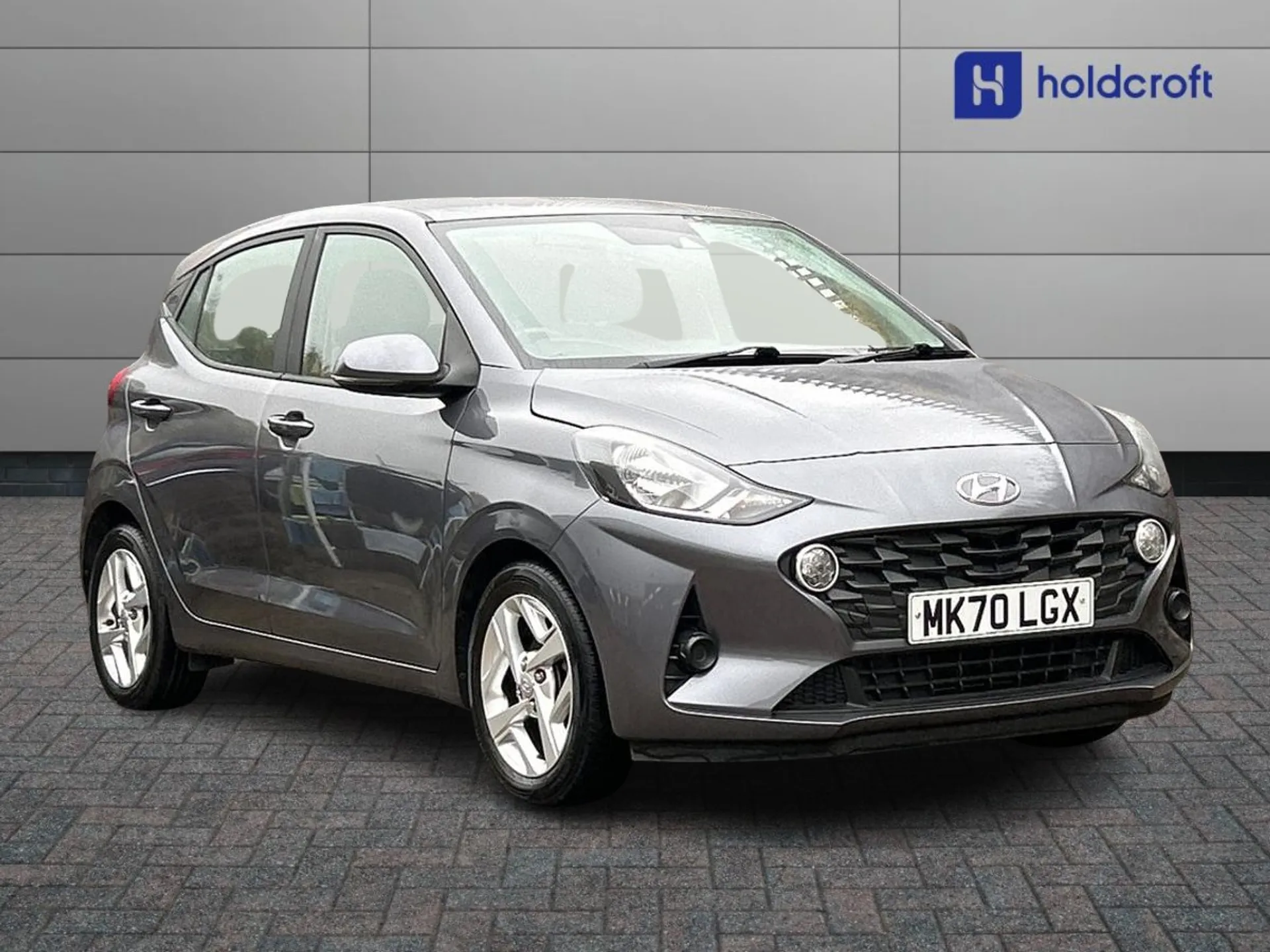

Exploring Affordable Compact Options and Budget-Friendly City Cars can help you find a vehicle that fits your budget without sacrificing quality. It’s important to keep in mind the additional costs associated with car ownership, including insurance, maintenance, and fuel. A comprehensive budget should also account for these ongoing expenses to avoid any unwelcome financial surprises.
Assessing Your Needs and Lifestyle
Understanding your personal needs and lifestyle is like laying the foundation of a house; it's crucial for a solid structure. A striking 91.7% of U.S. households own at least one vehicle (Find The Best Car Price, 2024), highlighting the importance of reliable transportation. Consider factors such as daily commutes, the number of passengers, and whether you need extra cargo space for activities or hobbies. This self-reflection can help you pinpoint the type of vehicle that best serves your daily life.
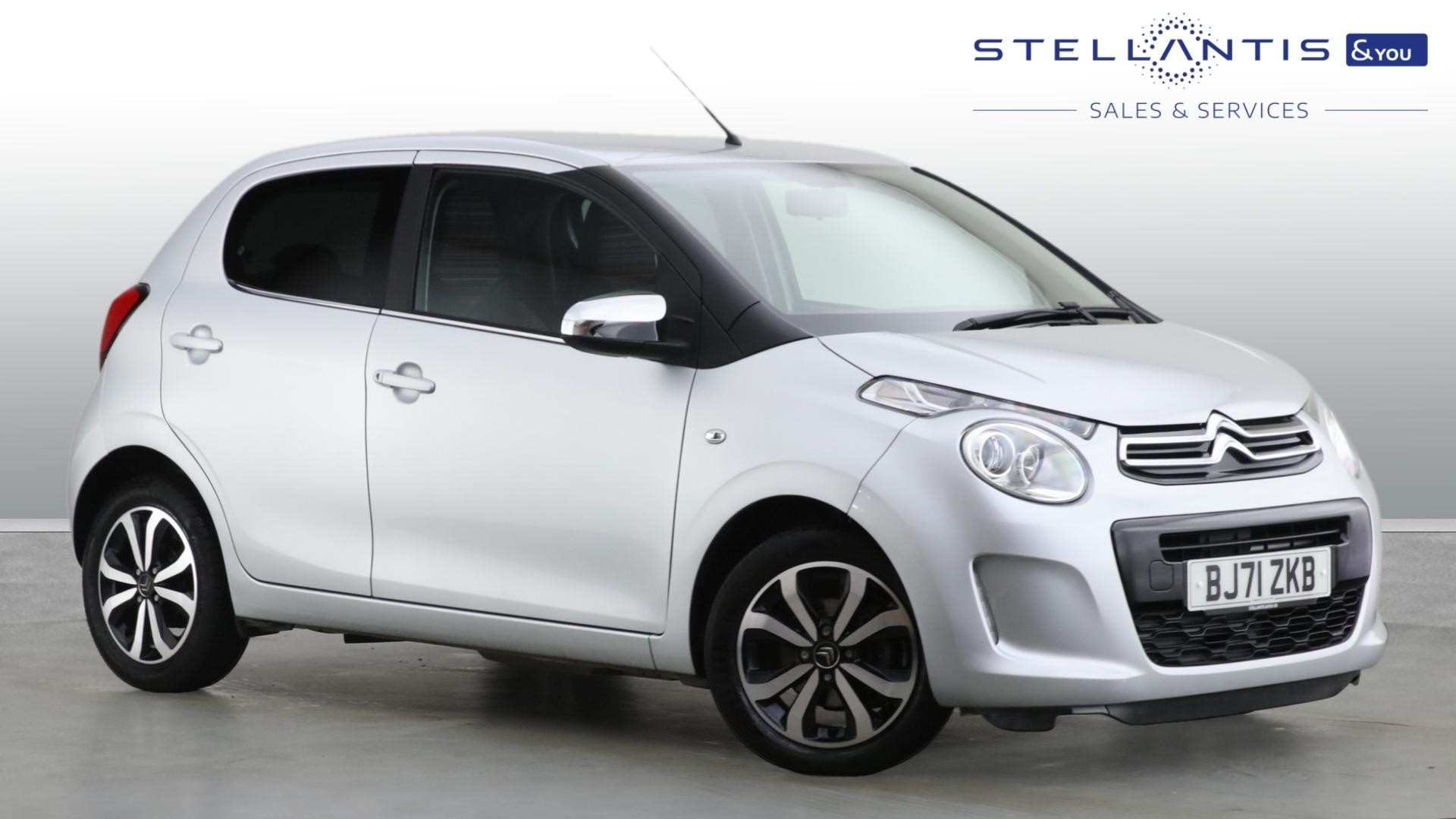

For those with active lifestyles, exploring options such as Versatile Crossovers for Active Teens or Multi-Purpose Vehicles for Diverse Needs can ensure your car meets your unique requirements. Ask yourself if you need a compact car for city driving or a larger vehicle for family outings. This thoughtful consideration can steer you toward a choice that fits seamlessly into your life.
Researching Vehicle Safety Ratings
Researching vehicle safety ratings is essential for ensuring your safety on the road. The National Highway Traffic Safety Administration (NHTSA) uses a star system to rate vehicles based on crash test results, with five stars being the top score. The Insurance Institute for Highway Safety (IIHS) evaluates vehicles in four testing areas to provide thorough safety assessments. Understanding these ratings empowers you to make informed choices that prioritize your well-being.
When researching, focus on vehicles from model years 2013 or newer, as they generally come equipped with standard safety features. Explore Electric Vehicles with Top Safety Ratings and Safe Estate Cars for Teen Drivers to find options that prioritize your safety. This research can serve as a guiding light in your journey toward responsible car ownership.
Considering Fuel Efficiency and Environmental Impact
Fuel efficiency is not just about saving money; it also relates to environmental responsibility. In 2023, the electric vehicle (EV) share of the total U.S. vehicle market was estimated at 7.6% (Find The Best Car Price, 2024). Choosing a vehicle with good fuel efficiency can lead to significant savings over time and help reduce your carbon footprint. As the world shifts toward greener alternatives, being conscious of your vehicle choice can help you align with these values.
Looking into Eco-Friendly Electric Vehicles or Fuel-Efficient Compact Hatchbacks can help you make a choice that benefits both your wallet and the planet. It's essential to consider both initial costs and long-term fuel savings when making your decision. This dual focus can lead to a choice that is both financially and environmentally sustainable.
Evaluating Insurance Costs
Insurance costs can significantly impact your car-buying experience. In January 2025, the average cost of full coverage car insurance was estimated at $2,638 per year, while minimum coverage costs about $767 per year (Bankrate, 2025). Moreover, adding a teenager to car insurance can increase premiums by 150% or more, making it vital to factor insurance costs into your overall budget. Understanding these costs helps you avoid pitfalls that can derail your financial plans.
To find affordable options, you might want to explore Affordable Insurance for City Cars and Insurance-Friendly Compact Options. Being well-informed about insurance costs helps you avoid unpleasant surprises down the road. This knowledge empowers you to secure the best deals tailored to your needs.
Exploring Different Vehicle Types
Understanding the various vehicle types is essential for making an informed decision. SUVs have become the most popular body style in both the new and used car markets, reflecting their versatility and functionality. The global market for luxury cars was valued at approximately $483.84 billion in 2023, indicating a strong demand for various vehicle types. This increasing popularity can influence your choice as you consider what will best fit your lifestyle and preferences.
Exploring options such as Spacious Estate Cars for Active Teens or Family-Friendly Saloons can help you determine what suits your needs best. Each vehicle type comes with its own set of pros and cons that are worth considering. By weighing these factors, you can make a choice that complements your lifestyle and preferences.
New vs. Used: Making the Right Choice
The decision between purchasing a new or used vehicle can be overwhelming. In 2020, approximately 39.3 million used vehicles were sold in the U.S., surpassing new car sales (Source, Year not specified). This trend reflects the growing appreciation for the value offered by used cars, particularly among budget-conscious buyers. Understanding the benefits and drawbacks of each option can help you navigate this critical decision.


When considering options, look into New Electric Vehicles for Tech-Savvy Teens or Affordable Used City Cars. The choice between new and used ultimately depends on your budget, needs, and personal preferences. This decision can shape your driving experience and financial stability in the years to come.
Understanding Financing Options
Navigating financing options can feel like walking through a maze, yet it is vital for making your car purchase feasible. A striking 96% of surveyed individuals expressed openness to financing entirely online (Source, Year not specified). With around 75% of used car buyers opting for loans, understanding the terms and conditions of financing is crucial. A clear understanding of financing can illuminate the path to car ownership.
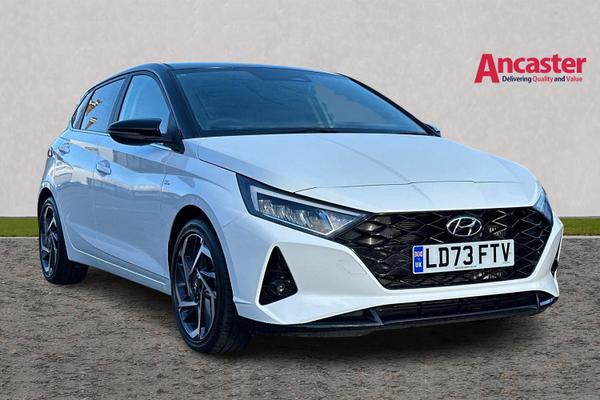
Before making a decision, evaluate your financial situation and explore all options available to you. To assist in your search, consider utilizing resources on the website. Understanding your financing options can pave the way for a successful purchase.
FAQs
1. What is the best type of car for a teen driver?
The best type of car for a teen driver typically includes compact cars or crossovers that offer safety features, fuel efficiency, and affordability. Look into Crossovers with Advanced Safety Features.
2. How can I budget for my first car?
When budgeting for your first car, consider all expenses including the purchase price, insurance, maintenance, and fuel costs. It’s wise to start with a realistic budget and explore options like Budget-Friendly City Cars.
3. Should I buy a new or used car?
The choice between a new or used car depends on your budget and needs. Used cars can provide great value, while new cars may come with the latest safety features. Check options like New Electric Vehicles for Tech-Savvy Teens.
4. How do I find affordable insurance for my first car?
To find affordable insurance for your first car, shop around for quotes and consider options that are known for lower premiums, like Affordable Insurance for City Cars.
5. What safety features should I look for in a car?
Look for essential safety features such as anti-lock brakes, stability control, and multiple airbags. For more information, check out Compact Hatchbacks for Teen Drivers.
Taking Your First Steps Toward Safe and Smart Car Ownership
Choosing your first car as a teen is a significant milestone that requires careful consideration of multiple factors. With teen car crashes being a leading cause of death for 15- to 18-year-olds and 43% of Gen Z prioritizing safety features more than previous generations, the importance of making an informed decision cannot be overstated. The journey to finding the right vehicle involves balancing safety, affordability, and practicality while keeping in mind your unique needs and circumstances.
As you navigate this important decision, remember that the average cost of a new car ($44,331 in October 2023) and rising used car prices make budgeting crucial. Factor in all associated costs, including the significant insurance premiums for teen drivers, which can increase by 150% or more. The growing trend toward electric vehicles, making up 7.6% of the U.S. market in 2023, also presents new opportunities for eco-conscious young drivers.
Whether you choose a new or used vehicle, prioritize safety features, research thoroughly, and consider long-term costs. Your first car represents more than just transportation—it's a step toward independence and responsibility. By following this guide and making use of available resources, you can make an informed decision that serves your needs while keeping safety at the forefront of your choice.
Essential Takeaways
- Always prioritize safety features and research vehicle safety ratings thoroughly
- Create a comprehensive budget that includes insurance, maintenance, and fuel costs
- Consider both your current needs and future requirements when making your choice
- Take advantage of available resources to make an informed, responsible decision