Discover the Best Fuel-Efficient Cars
Electric vehicles (EVs) play a crucial role in reducing carbon emissions compared to gasoline-powered cars. Even when factoring in the emissions from battery production, the potential for cleaner transportation shines brightly. With soaring gasoline prices squeezing wallets, fuel efficiency becomes essential for anyone considering a new vehicle. This overview highlights the top fuel-efficient options, spanning electric vehicles, hybrids, and advanced gasoline-powered cars.
What You Need to Know: Fuel efficiency hinges on several key factors, including:
- Electric powertrains
- Hybrid technology
- Aerodynamic design
- Advanced engine technologies
- Lightweight materials
The Rise of Electric Vehicles
Electric vehicles are making significant inroads into the U.S. market, comprising about 4% of car sales. With an average annual fueling cost of approximately $485, EVs are much cheaper to operate than gasoline vehicles, which typically cost around $1,117 per year. This shift towards electric power underscores the increasing consumer interest in sustainable and economical transportation.
For those searching for their ideal electric vehicle, bobi.car's AI-powered assistant can simplify the process. The market also offers a variety of high-tech EVs with impressive ranges and quick charging capabilities, facilitating a smoother transition to electric driving.


Key Points
- Electric vehicles significantly reduce lifetime carbon emissions.
- Annual fueling costs for EVs are about $485, compared to $1,117 for gasoline vehicles.
- Consumer interest in electric vehicles is rapidly increasing.
- Many EVs now offer long ranges and fast charging options.
Hybrid Technology: The Best of Both Worlds
Hybrid vehicles present a strong alternative, emitting around 260 grams of CO2 per mile throughout their lifespan, compared to 350 grams for gasoline vehicles. Not only do they benefit the environment, but they also save money; a gasoline vehicle achieving 30 MPG can cost approximately $900 less to fuel annually than one that only gets 20 MPG.
Consumers can find various hybrid models that combine electric and gasoline power for optimal efficiency. With choices tailored to different needs, it’s possible to strike the right balance between performance and fuel economy. Discover hybrid options that provide both comfort and savings.

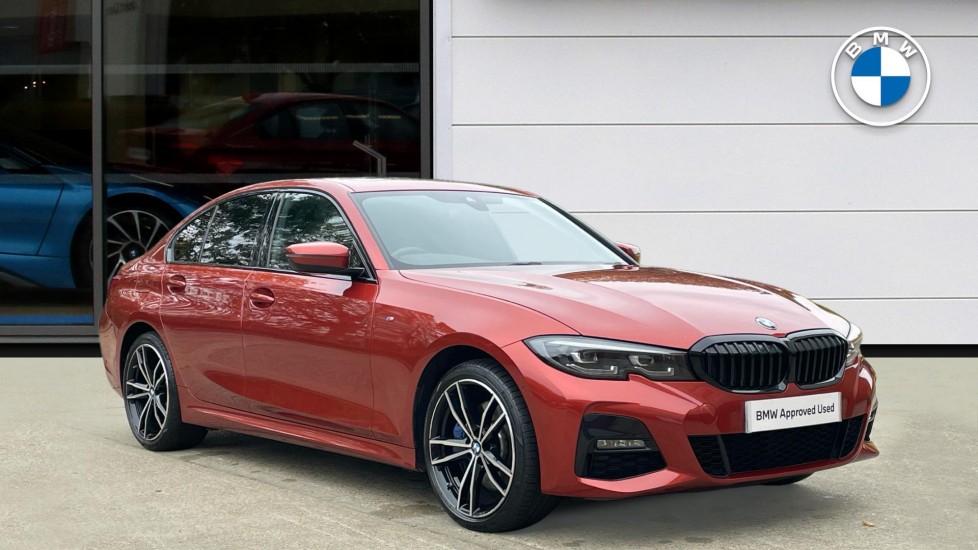
Compact Hatchbacks: Efficiency in a Small Package
Compact hatchbacks often lead the way in fuel economy, with some models exceeding 40 MPG on the highway. The trend towards smaller vehicles is clear, as 73% of Americans support stronger federal fuel economy standards. These cars not only save on fuel costs but also contribute to a smaller carbon footprint.
For those wanting practicality without sacrificing efficiency, there is a diverse range of compact hatchbacks available. Drivers can explore compact hatchbacks that blend excellent fuel efficiency with a comfortable driving experience. Comparing different models will reveal the ideal size, features, and fuel economy.

City Cars: Urban Efficiency Champions
City cars are built for urban driving, with some models achieving over 50 MPG in city conditions. Considering that the average American drives about 13,500 miles per year, or roughly 37 miles daily, these fuel-efficient vehicles are perfect for navigating busy streets and heavy traffic.
Drivers can discover city cars designed for city life. Their compact sizes and great fuel economy make parking easy while delivering impressive savings at the pump. Comparing different city car models will help you find the best match for your urban lifestyle.


Fuel-Efficient Family Saloons
Family saloons have advanced with fuel-saving technologies, achieving up to 40 MPG on the highway. Over five years, a vehicle with a fuel economy of 30 MPG can save about $4,500 compared to one that gets 20 MPG. These savings make family saloons a smart choice for budget-minded families.
Families can explore spacious and comfortable saloons that don’t compromise on fuel efficiency. Compare family saloon models to discover vehicles equipped with the latest fuel-saving technologies and family-friendly features to meet various needs.
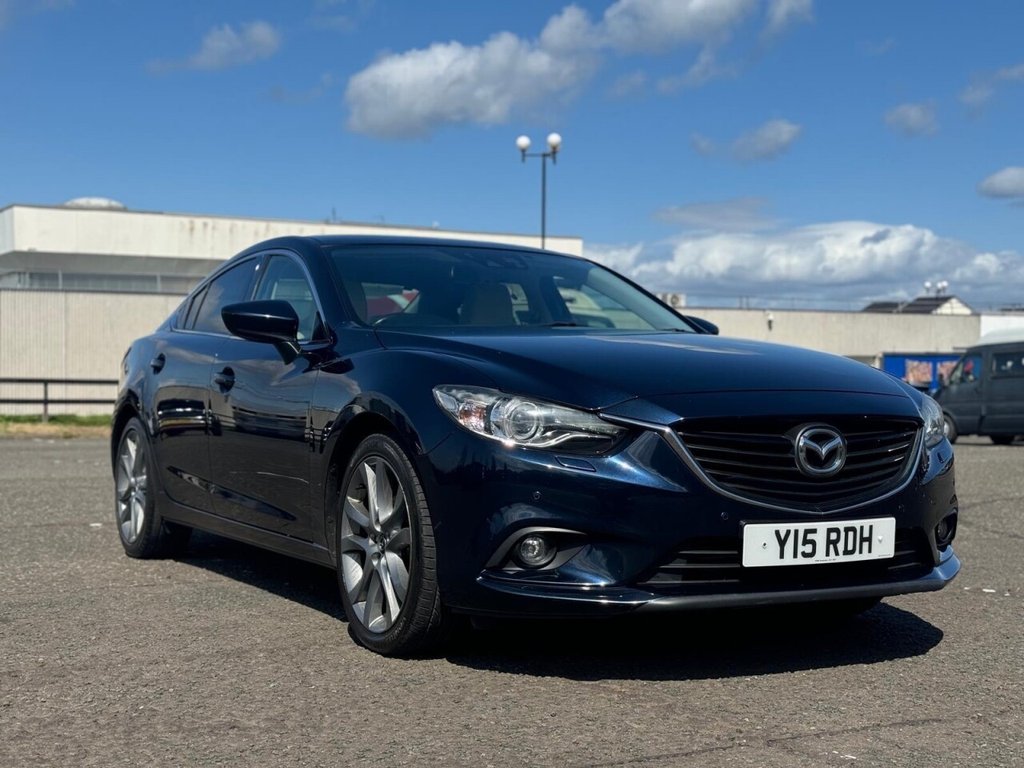
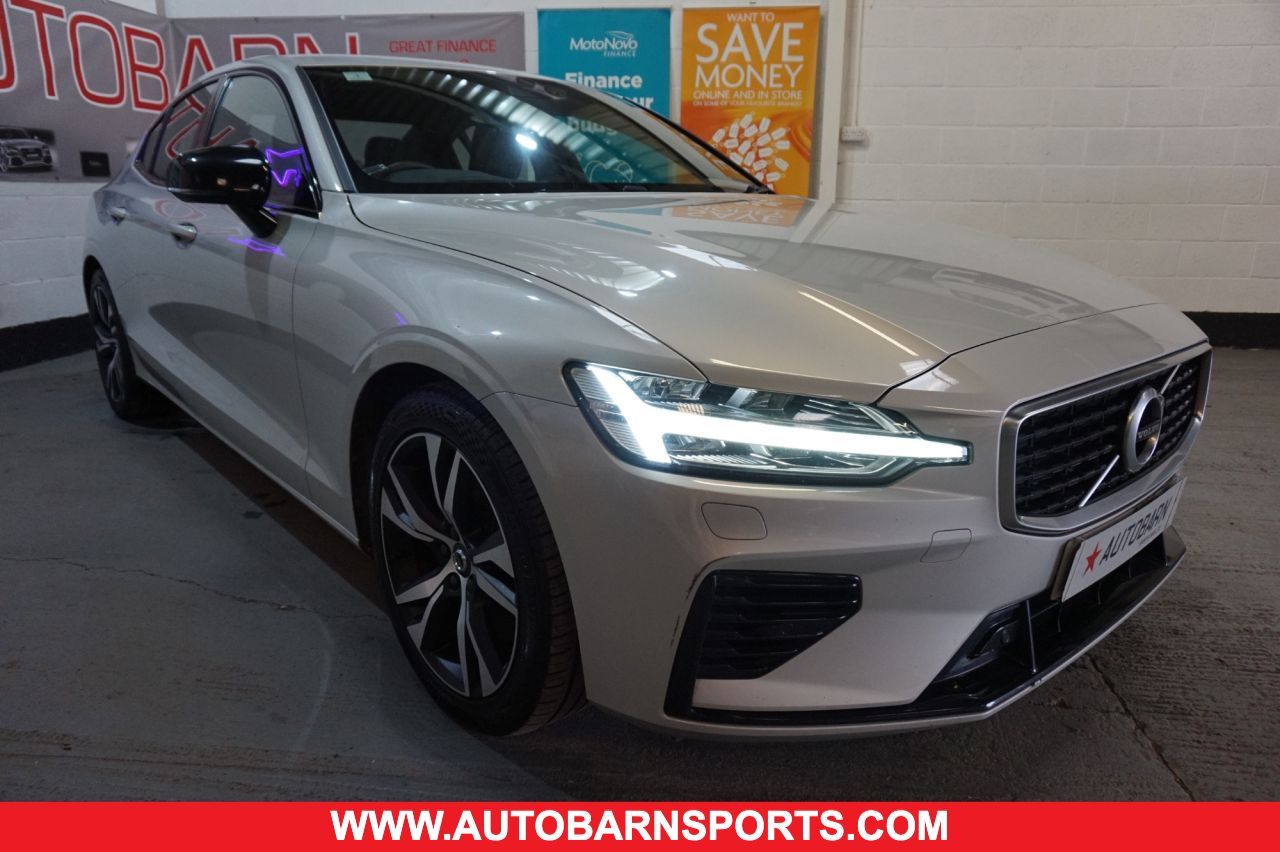
Crossovers: Balancing Efficiency and Versatility
Crossovers offer a mix of fuel efficiency and versatility, often matching sedans in fuel economy while providing extra space. Interestingly, 73% of owners of large SUVs and pickup trucks show interest in more fuel-efficient vehicles. This trend reflects a growing awareness of the importance of saving on fuel without giving up space or comfort.
Drivers can discover crossovers that achieve a balance between fuel efficiency and roominess. With features like aerodynamic designs and advanced powertrains, crossovers serve as a practical choice for families and individuals alike. Comparing various crossover models helps find the perfect fit for different lifestyles.

Efficient Estate Cars: Space and Economy
Estate cars combine roomy interiors with impressive fuel efficiency, often rivaling sedans. However, larger vehicles have not seen the same improvements in fuel efficiency as smaller ones over the past decade. This makes estate cars a great choice for those needing extra cargo space without sacrificing fuel economy.
Drivers can explore a variety of estate cars that offer both comfort and economy. By comparing different models, options featuring advanced powertrains and aerodynamic designs can be found to ensure optimal fuel economy while meeting family needs.
Frequently Asked Questions
What are the benefits of fuel-efficient cars?
Fuel-efficient cars save money on fuel costs, reduce carbon emissions, and often have better resale values. They contribute to a cleaner environment and provide a more sustainable option for transportation.
How do hybrid cars work?
Hybrid cars utilize both an electric motor and a gasoline engine to enhance fuel efficiency. The electric motor assists the gasoline engine during acceleration and can power the vehicle at lower speeds, making hybrids more efficient than traditional gasoline-powered cars.
Are electric vehicles worth the investment?
Yes, electric vehicles can significantly lower long-term fuel and maintenance costs. Though the initial investment may be higher, the savings on fuel and potential tax incentives often make them financially advantageous over time.
What factors should I consider when choosing a fuel-efficient car?
Consider the type of fuel efficiency you need (city versus highway), the car's size and features, maintenance costs, and your driving habits. Additionally, evaluate your budget and whether you prefer a hybrid, electric, or gasoline-powered vehicle.
Making the Smart Choice for a Fuel-Efficient Future
The landscape of fuel-efficient vehicles continues to evolve, offering more choices than ever before. From all-electric vehicles with their impressive $485 annual fueling costs to hybrid vehicles that strike a balance between traditional and electric power, the options for eco-conscious and budget-aware drivers are extensive. The statistics speak volumes: with 73% of Americans supporting stronger fuel economy standards and even SUV owners showing increased interest in efficiency, it's clear that the future of automotive transportation is moving toward greater sustainability.
Whether you choose a compact city car that achieves over 50 MPG, a versatile hybrid that emits 90 grams less CO2 per mile than traditional vehicles, or a fully electric vehicle, the benefits extend beyond personal savings to environmental impact. The potential to save $4,500 over five years with a more efficient vehicle makes the decision not just environmentally conscious but financially sound.
As technology continues to advance and fuel prices fluctuate, investing in a fuel-efficient vehicle becomes increasingly practical. By carefully considering your specific needs, driving habits, and long-term goals, you can select a vehicle that provides the perfect balance of efficiency, performance, and practicality. The transition to more fuel-efficient transportation isn't just a trend—it's a fundamental shift toward a more sustainable and economical future of mobility.
Final Takeaways
- Electric vehicles offer the lowest annual fueling costs at around $485
- Hybrid vehicles provide an excellent middle-ground solution with reduced emissions
- Even traditional vehicles have made significant strides in fuel efficiency
- The market offers efficient options across all vehicle categories, from city cars to family saloons